
Vocabolario Essenziale per il GRE - Il mondo letterario
Qui imparerai alcune parole inglesi sulla letteratura, come "novella", "limerick", "rappresentare", ecc., che sono necessarie per l'esame GRE.
Revisione
Flashcard
Ortografia
Quiz

a work of fiction with an intermediate length, which could be considered a short novel

Novella
La novella è stata elogiata per la sua narrazione concisa e il ricco sviluppo dei personaggi.
a long poem in narrative form giving an account of the extraordinary deeds and adventures of a nation's heroes or legends
epico
L'ultima opera del poeta è un'epopea che celebra la fondazione di un regno leggendario.
a historical account of events presented in chronological order
cronaca
Il museo ha esposto una cronaca della storia della città nella sua ultima mostra.
a lyric poem, written in varied or irregular metrical form, for a particular object, person, or concept
ode
L'ode era piena di metafore elaborate e immagini vivide.
a piece of writing, music, etc. that imitates the style of someone else in a humorous way
parodia
La compagnia teatrale ha messo in scena una parodia di un'opera ben nota di Shakespeare, aggiungendo svolte comiche e riferimenti contemporanei al dialogo.

a short story on morality with animal characters
favola
a short, simple story that teaches a moral lesson
parabola
I bambini apprezzano le parabole perché uniscono la narrazione a lezioni morali.
a Japanese poem with three unrhymed lines that have five, seven and five syllables each
Haiku
Ha recitato un haiku sui fugaci fiori di ciliegio.
a short poem or phrase that expresses a single thought satirically, often ending in a clever or humorous way
epigramma
Lo scrittore ha usato un epigramma per riassumere le sue vedute sul matrimonio con un tocco umoristico.
a long story of heroic actions and bravery in old Norse or Icelandic in the Middle Ages, or a modern narrative resembling such a narrative
saga
La saga epica ha affascinato i lettori con i suoi racconti di valore e conquista.
a quotation or phrase placed at the beginning of a book, chapter, or other written work, often to suggest a theme or context
epigrafe
L'epigrafe ha ispirato i lettori a riflettere sul messaggio della storia.
a humorous poem of five anapestic lines with a rhyme scheme of AABBA
quintilla joculare
Il libro era pieno di limericks che portavano gioia ai lettori di tutte le età.
the creative and imaginative expression of powerful feelings in art, poetry, music, etc.
lirismo
Il lirismo della poesia ha dipinto immagini vivide e ha stimolato l'immaginazione del lettore.
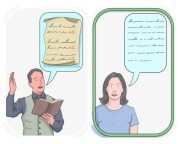
spoken or written language in its usual form, in contrast to poetry
prosa
the collection of artistic or literary works produced by a particular painter, author, etc.
opere
Come studiosa di letteratura, ha dedicato la sua carriera allo studio dell'opera di Jane Austen, scoprendo nuove intuizioni sui suoi romanzi senza tempo.
a subject, image, idea, or phrase that recurs in a literary work
tema

the way in which characters in a movie, book, etc. are created and represented by a writer
caratterizzazione
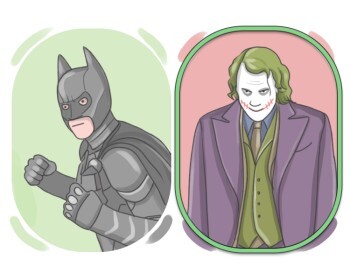
villainous character who strongly opposes another person or thing
antagonista
Lungo la storia, la lotta del protagonista contro l'antagonista è servita come metafora per temi più ampi del bene contro il male e della resilienza dello spirito umano.
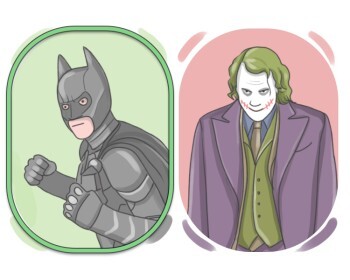
the main character in a movie, novel, TV show, etc.
protagonista
La ricerca di redenzione e perdono del protagonista costituisce il nucleo emotivo della narrazione, risuonando con il pubblico a un livello profondamente umano.
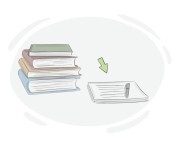
to make a book, play, etc. short by omitting the details and including the main parts
abbreviare, ridurre
Per l'antologia, hanno ridotto il lungo saggio per evidenziarne gli argomenti principali.

to describe or portray someone or something in words, a story, film, or other form of expression
descrivere
a section of additional material that is usually added at the end of a book
addendum
L'addendum del manoscritto conteneva informazioni supplementari non coperte nei capitoli principali.
a short introductory section at the beginning of a book, usually written by someone other than the author
prefazione
L'autore era soddisfatto della prefazione ponderata fornita da un collega scrittore.
a part at the end of a book including some final words that may not be written by the author
postfazione
Ha letto la postfazione per capire la prospettiva dell'editore sulla storia.
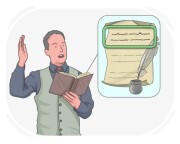
a series of lines in a poem, usually with recurring rhyme scheme and meter
strofa
La strofa aveva uno schema di rime ABAB, dando al poema un flusso ritmico.
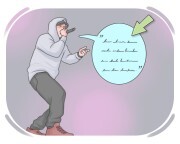
a poem or short piece of poetry
verso
a verse of Italian origin that has 14 lines, usually in an iambic pentameter and a prescribed rhyme scheme
sonetto
Ha scritto un sonetto per la sua classe di letteratura, seguendo la tradizionale struttura di 14 righe.

exciting and intriguing in a way that attracts one's attention
avvincente
giving a lot of information briefly and clearly
conciso
L'editore ha apprezzato lo stile di scrittura conciso dell'autore.
(of an author or literary work) accepted as highly acclaimed authors or pieces of literature, which are collectively referred to as the literary canon
canonico
La tesi dello studente ha esplorato i temi dell'identità e del potere nella letteratura canonica, esaminando come queste opere abbiano plasmato le narrazioni culturali nel tempo.
(of writing or speech) full of literary or complicated words and phrases
fiorito
L'editore ha suggerito di semplificare i passaggi fioriti per migliorare la chiarezza.
behaving in an artificial way that is too formal, trying to impress others
manieroso
La cortesia affettata del diplomatico sembrava eccessivamente formale e insincera.
sexually explicit or morally obscene
volgare
I testi spinti della canzone hanno scatenato polemiche tra genitori e critici.
scholarly and highly interested in cultural or artistic matters
intellettuale
Lei preferisce discussioni intellettuali sulla filosofia rispetto ai media popolari.
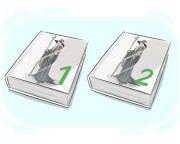
a book, movie, play, etc. that continues and extends the story of an earlier one
seguito
Il seguito ha superato le aspettative, introducendo nuovi colpi di scena e rivelazioni che hanno tenuto il pubblico con il fiato sospeso.
an ancient book, written by hand, especially of scriptures, classics, etc.
Codice
La biblioteca del monastero ospita una notevole collezione di codici, ognuno meticolosamente copiato e illustrato a mano da scribi dedicati.
an author whose work is published under someone else's name
scrittore fantasma
Il nome del ghostwriter è rimasto riservato mentre il nome dell'autore era sulla copertina.
someone who is known for writing or telling humorous stories or jokes about real people and events
umorista
Molti la considerano una brillante umorista grazie alla sua visione acuta e divertente delle tendenze culturali.
a playwright who writes tragedies
tragediano
La sua reputazione di tragediografo è stata consolidata dal successo del suo ultimo dramma oscuro.

a male literary author or scholar
uomo di lettere
Aspirava a essere un uomo di lettere, dedicando la sua vita alla letteratura e alla cultura.
a person who writes or uses satires in order to criticize or humor someone or something
satirico
La commedia del satirico ha ricevuto elogi per la sua incisiva critica alla corruzione politica.
