

pattern

Vocabulaire Essentiel pour le GRE - La Littérature

Ici, vous apprendrez quelques mots anglais sur la littérature, tels que "nouvelle", "limerick", "dépeindre", etc., qui sont nécessaires pour l'examen GRE.

Réviser

Flashcards

Orthographe

Quiz

Commencer à apprendre
Essential Words Needed for the GRE
novella
novella
[nom]

a work of fiction with an intermediate length, which could be considered a short novel

roman court

roman court

Ex: The author released a novella that explored themes of love and loss. 
epic
epic
[nom]

a long poem in narrative form giving an account of the extraordinary deeds and adventures of a nation's heroes or legends

épopée

épopée

Ex: The Iliad is one of the greatest epics of ancient Greek literature. 
chronicle

a historical account of events presented in chronological order

chronique, annales

chronique, annales

Ex: The historian wrote a detailed chronicle of the medieval period. 
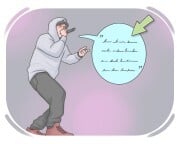
ode
ode
[nom]

a lyric poem, written in varied or irregular metrical form, for a particular object, person, or concept

ode

ode

Ex: The poet wrote an ode to celebrate the beauty of nature. 
parody
parody
[nom]

a piece of writing, music, etc. that imitates the style of someone else in a humorous way

parodie

parodie

Ex: The comedian's parody of the popular song went viral, making people laugh with its clever and humorous lyrics. 
fable
fable
[nom]

a short story on morality with animal characters

fable

fable

Ex: The fable of "The Tortoise and the Hare" teaches us that slow and steady wins the race. 
parable
parable
[nom]

a short, simple story that teaches a moral lesson

parabole

parabole

Ex: The teacher used a parable to explain the importance of honesty. 
haiku
haiku
[nom]

a Japanese poem with three unrhymed lines that have five, seven and five syllables each

haiku

haiku

Ex: She wrote a haiku about the changing seasons. 
epigram
epigram
[nom]

a short poem or phrase that expresses a single thought satirically, often ending in a clever or humorous way

épigramme

épigramme

Ex: Oscar Wilde's epigram, "I can resist everything except temptation," is widely quoted. 
saga
saga
[nom]

a long story of heroic actions and bravery in old Norse or Icelandic in the Middle Ages, or a modern narrative resembling such a narrative

épopée

épopée

Ex: The ancient saga of Beowulf recounts the hero's battles with formidable monsters. 
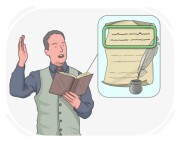
epigraph

a quotation or phrase placed at the beginning of a book, chapter, or other written work, often to suggest a theme or context

épigraphe

épigraphe

Ex: The novel opens with an epigraph from T.S. Eliot. 
limerick

a humorous poem of five anapestic lines with a rhyme scheme of AABBA

limerick

limerick

Ex: She wrote a clever limerick for the poetry contest. 
lyricism

the creative and imaginative expression of powerful feelings in art, poetry, music, etc.

lyrisme

lyrisme

Ex: The poet's lyricism brought a deep emotional resonance to her verses. 
prose
prose
[nom]

spoken or written language in its usual form, in contrast to poetry

prose

prose

Ex: Her writing style is characterized by clear and concise prose, making her novels accessible to a wide audience. 
oeuvre
oeuvre
[nom]

the collection of artistic or literary works produced by a particular painter, author, etc.

œuvre

œuvre

Ex: The museum's retrospective showcased the entire oeuvre of the renowned painter, highlighting his evolution over four decades. 
motif
motif
[nom]

a subject, idea, or phrase that is repeatedly used in a literary work

thème

thème

Ex: The motif of the "hero's journey" is a common theme in many epic tales, symbolizing the protagonist's growth and transformation. 
characterization

the way in which characters in a movie, book, etc. are created and represented by a writer

création de personnages

création de personnages

Ex: The author's skillful characterization brought the protagonist to life, making the reader empathize with her struggles and triumphs. 
antagonist

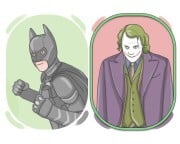
villainous character who strongly opposes another person or thing

antagoniste, adversaire

antagoniste, adversaire

Ex: The antagonist in the novel was a cunning and ruthless villain, determined to thwart the protagonist's plans at every turn. 
protagonist

the main character in a movie, novel, TV show, etc.

protagoniste

protagoniste

Ex: The protagonist of the novel is a young orphan who embarks on a journey of self-discovery and adventure. 
to abridge
to abridge
[verbe]

to make a book, play, etc. short by omitting the details and including the main parts

abréger, raccourcir

abréger, raccourcir

Ex: The play was abridged for the school performance, focusing on the key scenes. 
to depict
to depict
[verbe]

to describe a specific subject, scene, person, etc.

dépeindre, décrire

dépeindre, décrire

Ex: The artist’s work often depicts scenes from daily life in a vibrant style. 
addendum

a section of additional material that is usually added at the end of a book

addendum

addendum

Ex: The book included an addendum with updated statistics on the topic. 
foreword

a short introductory section at the beginning of a book, usually written by someone other than the author

avant-propos

avant-propos

Ex: The book's foreword was written by a renowned scholar in the field. 
afterword

a part at the end of a book including some final words that may not be written by the author

épilogue, mot de la fin, postface

épilogue, mot de la fin, postface

Ex: The afterword offered insights from the editor about the book's impact. 
stanza
stanza
[nom]

a series of lines in a poem, usually with recurring rhyme scheme and meter

strophe

strophe

Ex: The poem was structured with four stanzas, each following a different theme. 
verse
verse
[nom]

a set of words that usually have a rhythmic pattern

strophe, vers

strophe, vers

Ex: The poet carefully crafted each verse, weaving together words to create a tapestry of emotion and meaning. 
sonnet
sonnet
[nom]

a verse of Italian origin that has 14 lines, usually in an iambic pentameter and a prescribed rhyme scheme

sonnet

sonnet

Ex: He struggled to fit his thoughts into the strict format of a sonnet. 
gripping
gripping
[Adjectif]

exciting and intriguing in a way that attracts one's attention

captivant, passionnant

captivant, passionnant

Ex: The gripping novel kept me on the edge of my seat, unable to put it down until I reached the last page. 
concise
concise
[Adjectif]

giving a lot of information briefly and clearly

concis

concis

Ex: She gave a concise summary of the meeting's key points. 
canonical
canonical
[Adjectif]

(of an author or literary work) accepted as highly acclaimed authors or pieces of literature, which are collectively referred to as the literary canon

canonique

canonique

Ex: Jane Austen's novels are considered part of the canonical literature of English literature, studied and revered by scholars and readers alike. 
flowery
flowery
[Adjectif]

(of writing or speech) full of literary or complicated words and phrases

fleuri

fleuri

Ex: The professor's speech was so flowery that it obscured the main points. 
mannered
mannered
[Adjectif]

behaving in an artificial way that is too formal, trying to impress others

maniéré

maniéré

Ex: His mannered speech made him seem distant and insincere. 
raunchy
raunchy
[Adjectif]

sexually explicit or morally obscene

cochon, obscène

cochon, obscène

Ex: The movie was criticized for its raunchy scenes and explicit content. 
highbrow
highbrow
[Adjectif]

scholarly and highly interested in cultural or artistic matters

ntellectuel, savant, cérébral

ntellectuel, savant, cérébral

Ex: The film festival attracted a highbrow audience eager for independent films. 
sequel
sequel
[nom]

a book, movie, play, etc. that continues and extends the story of an earlier one

suite

suite

Ex: The highly anticipated sequel to the bestselling novel was released to critical acclaim. 
codex
codex
[nom]

an ancient book, written by hand, especially of scriptures, classics, etc.

codex

codex

Ex: The museum's prized exhibit is an illuminated codex from the medieval period, featuring intricately detailed illustrations and calligraphy. 
ghostwriter

an author whose work is published under someone else's name

nègre, nègre littéraire, prête-plume

nègre, nègre littéraire, prête-plume

Ex: The celebrity hired a ghostwriter to pen their memoirs. 
humorist

someone who is known for writing or telling humorous stories or jokes about real people and events

humoriste, comique

humoriste, comique

Ex: The humorist used exaggerated scenarios to poke fun at modern technology. 
tragedian

a playwright who writes tragedies

tragédien, tragédienne

tragédien, tragédienne

Ex: The ancient Greek tragedian Sophocles is known for his masterpiece, "Oedipus Rex." 
man of letters

a male literary author or scholar

lettré, homme de lettres

lettré, homme de lettres

Ex: The renowned poet was considered a true man of letters in his time. 
satirist

a person who writes or uses satires in order to criticize or humor someone or something

satiriste

satiriste

Ex: The satirist's latest column humorously critiqued political leaders. 
LanGeek
Télécharger l'application LanGeek