
Mendeskripsikan Orang - Usia
Kuasalai idiom bahasa Inggris mengenai usia, seperti 'anak ayam musim semi' dan 'panjang di gigi'.
Tinjau ulang
Kartu flash
Kuis

a young individual with little or no experience

hijau, mentah
Jangan terlalu banyak berharap darinya; dia masih hijau.

a young energetic person that brings new ideas, enthusiasm, and vitality to a group, organization, or activity
darah segar, energi muda
Kita perlu merekrut darah muda untuk menjaga organisasi tetap bersemangat.
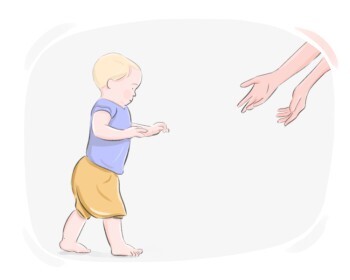
used when someone has learned or experienced something from a very young age
sejak kecil, sejak usia dini

(of a person) very young or very small
masih kecil sekali, kecil banget
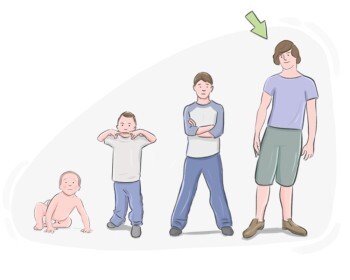
the time in a person's life marked by youthfulness, inexperience, and being carefree
masa muda, masa hijau
Melihat kembali masa mudanya, dia tertawa atas kesalahan masa mudanya.

used to refer to people who look older than the age they are at
lebih tua dari usia, di sisi lain
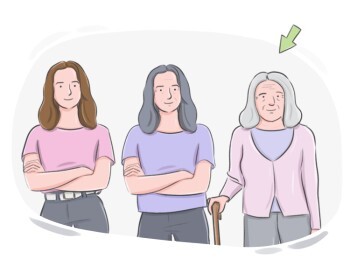
an advanced stage of life characterized by a long lifespan and great wisdom
usia lanjut, usia matang

used to describe someone or something that is old and has existed for a long time
sangat tua, kuno

used to describe an old person who is still very active and healthy
segar dan sehat, kuat dan sehat

a senior citizen that spends a lot of time using the Internet
lansia pengguna internet, manula pengguna internet
Peselancar perak adalah salah satu kelompok dengan pertumbuhan tercepat di platform media sosial.

used to refer to a significant age difference between two people, especially those who are romantically involved with one another
seumur orang tua, cukup tua

describing an individual who has lived for a very long time and is not able to do certain activities due to old age
terlalu tua, tua

considered old and no longer at one's best
tua banget, habis masa
at the stage of life when someone is at their strongest, healthiest, most attractive, or most capable, especially in terms of physical or professional performance
during the most beautiful, energetic, and promising period of one's youth, when one is considered to be at the height of youthful vitality
the final period of one's life, particularly the later years of old age, often associated with retirement and a gradual decline in physical strength
to be considered too old or no longer sufficiently capable, attractive, or effective to do something as well as one once could
to have enjoyed a long and generally successful or fulfilling life, career, or period of activity, especially when it is coming to an end
a period in old age when someone becomes mentally less capable or begins behaving in a childish or immature way, especially as a result of age-related decline
used to refer politely or indirectly to someone who is middle-aged or older without stating their exact age
to behave in a way considered appropriate for one's age and level of maturity, especially when telling someone to stop acting foolishly or childishly
used to emphasize that someone is growing older, often as a reason to stop delaying an important decision, make the most of one's time, or recognize declining physical abilities
