

a young individual with little or no experience

青二才, 若造
交渉に関しては彼はひよっこではありません。

a young energetic person that brings new ideas, enthusiasm, and vitality to a group, organization, or activity
新風, 若い力
会社はシステムを近代化するために若い血を必要としています。
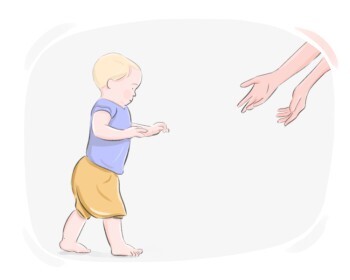
used when someone has learned or experienced something from a very young age
幼い頃から, 物心つく頃から
(of a person) very young or very small
とても小さい, ちっちゃい
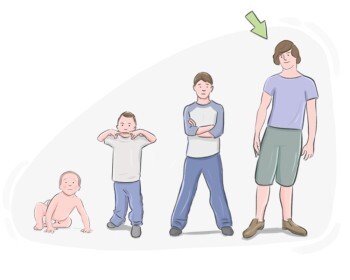
the time in a person's life marked by youthfulness, inexperience, and being carefree
青春時代, 青二才の頃
自分の 青い時代 を大きな愛情とともに覚えています。

used to refer to people who look older than the age they are at
年より老け, 向こう側
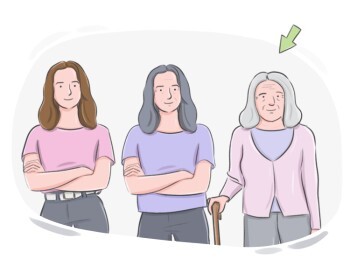
an advanced stage of life characterized by a long lifespan and great wisdom
高齢, 円熟した老齢

used to describe someone or something that is old and has existed for a long time
とても古い, 古代の

used to describe an old person who is still very active and healthy
壮健で元気な, 壮健な

a senior citizen that spends a lot of time using the Internet
シルバーサーファー, 高齢インターネットユーザー
私の祖父は、私がタブレットの使い方を教えた後、シルバーサーファーになりました。

used to refer to a significant age difference between two people, especially those who are romantically involved with one another
親になれる年上, 親子ほどの年齢差

describing an individual who has lived for a very long time and is not able to do certain activities due to old age
年をとりすぎている, 老けた

considered old and no longer at one's best
盛りを過ぎた, 終わった
at the stage of life when someone is at their strongest, healthiest, most attractive, or most capable, especially in terms of physical or professional performance
during the most beautiful, energetic, and promising period of one's youth, when one is considered to be at the height of youthful vitality
the final period of one's life, particularly the later years of old age, often associated with retirement and a gradual decline in physical strength
to be considered too old or no longer sufficiently capable, attractive, or effective to do something as well as one once could
to have enjoyed a long and generally successful or fulfilling life, career, or period of activity, especially when it is coming to an end
a period in old age when someone becomes mentally less capable or begins behaving in a childish or immature way, especially as a result of age-related decline
used to refer politely or indirectly to someone who is middle-aged or older without stating their exact age
to behave in a way considered appropriate for one's age and level of maturity, especially when telling someone to stop acting foolishly or childishly
used to emphasize that someone is growing older, often as a reason to stop delaying an important decision, make the most of one's time, or recognize declining physical abilities
