
Descrevendo Pessoas - Idade
Domine expressões idiomáticas em inglês sobre idade, como 'frango de primavera' e 'longo no dente'.
Revisar
Flashcards
Quiz

a young individual with little or no experience
verde, fedelho
Posso ser um novato, mas aprendo rápido.

a young energetic person that brings new ideas, enthusiasm, and vitality to a group, organization, or activity
sangue novo, gente nova
O sangue novo muitas vezes desafia o status quo de maneiras positivas.
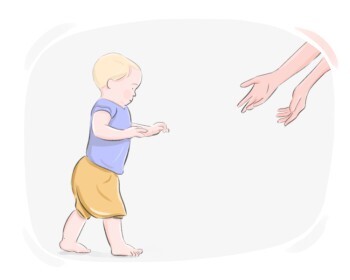
used when someone has learned or experienced something from a very young age
desde pequeno, de pequenino

(of a person) very young or very small
muito pequeno, pequenino
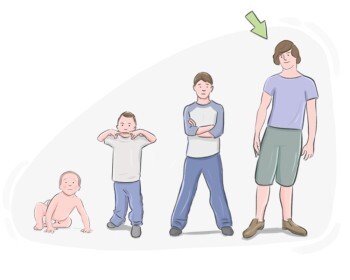
the time in a person's life marked by youthfulness, inexperience, and being carefree
anos verdes, verdes anos
Ele escrevia poesia durante seus dias de juventude em Paris.

used to refer to people who look older than the age they are at
mais velho que, do outro lado
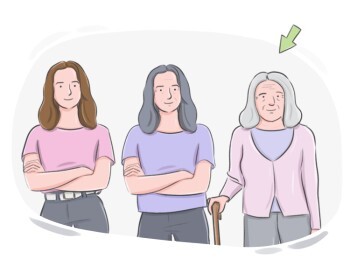
an advanced stage of life characterized by a long lifespan and great wisdom
idade avançada, idade madura

used to describe someone or something that is old and has existed for a long time
muito velho, antigo

used to describe an old person who is still very active and healthy
robusto e saudável, são e robusto

a senior citizen that spends a lot of time using the Internet
idoso utilizador da Internet, idoso conectado
O termo "silver surfer" tornou-se comum à medida que mais idosos adotam a tecnologia.

used to refer to a significant age difference between two people, especially those who are romantically involved with one another
idade de ser pai/mãe, diferença de idade

describing an individual who has lived for a very long time and is not able to do certain activities due to old age
velho demais, antiquado

considered old and no longer at one's best
ultrapassou a idade, acabou
at the stage of life when someone is at their strongest, healthiest, most attractive, or most capable, especially in terms of physical or professional performance
during the most beautiful, energetic, and promising period of one's youth, when one is considered to be at the height of youthful vitality
the final period of one's life, particularly the later years of old age, often associated with retirement and a gradual decline in physical strength
to be considered too old or no longer sufficiently capable, attractive, or effective to do something as well as one once could
to have enjoyed a long and generally successful or fulfilling life, career, or period of activity, especially when it is coming to an end
a period in old age when someone becomes mentally less capable or begins behaving in a childish or immature way, especially as a result of age-related decline
used to refer politely or indirectly to someone who is middle-aged or older without stating their exact age
to behave in a way considered appropriate for one's age and level of maturity, especially when telling someone to stop acting foolishly or childishly
used to emphasize that someone is growing older, often as a reason to stop delaying an important decision, make the most of one's time, or recognize declining physical abilities
