
Mô Tả Con Người - Tuổi
Làm chủ các thành ngữ tiếng Anh về tuổi tác, như 'gà mùa xuân' và 'dài trong răng'.
Xem lại
Thẻ ghi nhớ
Đố vui

a young individual with little or no experience

tay ngang, trứng nước
Đừng kỳ vọng quá nhiều vào anh ấy; anh ấy vẫn còn là một gà mờ.

a young energetic person that brings new ideas, enthusiasm, and vitality to a group, organization, or activity
máu mới, sức trẻ
Chúng ta cần tuyển dụng máu trẻ để giữ cho tổ chức năng động.
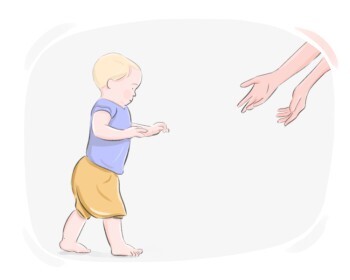
used when someone has learned or experienced something from a very young age
từ nhỏ, từ thuở lọt lòng

(of a person) very young or very small
còn bé tí, bé xíu
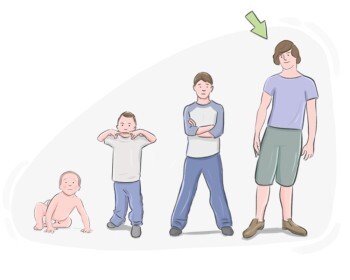
the time in a person's life marked by youthfulness, inexperience, and being carefree
thời thanh xuân, thời xanh
Nhìn lại thời thanh xuân của mình, anh ấy cười về những sai lầm thời trẻ.

used to refer to people who look older than the age they are at
già hơn tuổi, bên kia của
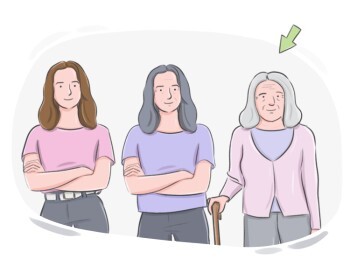
an advanced stage of life characterized by a long lifespan and great wisdom
tuổi già, tuổi già chín

used to describe someone or something that is old and has existed for a long time
rất cũ, cổ xưa

used to describe an old person who is still very active and healthy
khỏe mạnh và tràn đầy sức sống, cường tráng

a senior citizen that spends a lot of time using the Internet
người cao tuổi dùng Internet, người nghỉ hưu dùng Internet
Người lướt web cao tuổi là một trong những nhóm phát triển nhanh nhất trên các nền tảng mạng xã hội.

used to refer to a significant age difference between two people, especially those who are romantically involved with one another
đủ tuổi làm bố mẹ, chênh lệch tuổi

describing an individual who has lived for a very long time and is not able to do certain activities due to old age
quá già, cũ kỹ

considered old and no longer at one's best
quá tuổi, hết thời
at the stage of life when someone is at their strongest, healthiest, most attractive, or most capable, especially in terms of physical or professional performance
during the most beautiful, energetic, and promising period of one's youth, when one is considered to be at the height of youthful vitality
the final period of one's life, particularly the later years of old age, often associated with retirement and a gradual decline in physical strength
to be considered too old or no longer sufficiently capable, attractive, or effective to do something as well as one once could
to have enjoyed a long and generally successful or fulfilling life, career, or period of activity, especially when it is coming to an end
a period in old age when someone becomes mentally less capable or begins behaving in a childish or immature way, especially as a result of age-related decline
used to refer politely or indirectly to someone who is middle-aged or older without stating their exact age
to behave in a way considered appropriate for one's age and level of maturity, especially when telling someone to stop acting foolishly or childishly
used to emphasize that someone is growing older, often as a reason to stop delaying an important decision, make the most of one's time, or recognize declining physical abilities
