
Περιγραφή Ανθρώπων - Ηλικία
Κυριεύστε τα αγγλικα ιδιώματα σχετικά με την ηλικία, όπως 'αυγό της άνοιξης' και 'μακρύς στα δόντια'.
Επανάληψη
Κάρτες
Κουίζ

a young individual with little or no experience

άπειρος νέος, νεαρός άπειρος
Μπορεί να είμαι πρωτάρης, αλλά μαθαίνω γρήγορα.

a young energetic person that brings new ideas, enthusiasm, and vitality to a group, organization, or activity
φρέσκο αίμα, νέο δυναμικό
Το νέο αίμα συχνά αμφισβητεί το status quo με θετικούς τρόπους.
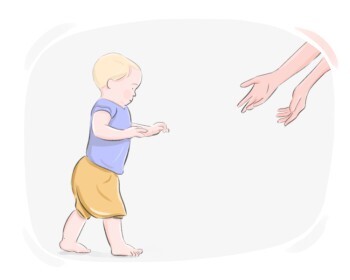
used when someone has learned or experienced something from a very young age
από μικρός, από τα σπάργανα

(of a person) very young or very small
πολύ μικρός, νάνος
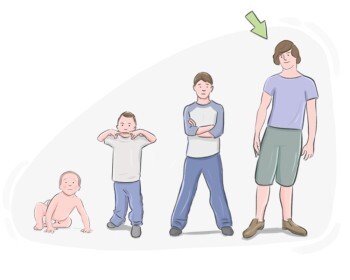
the time in a person's life marked by youthfulness, inexperience, and being carefree
νιάτα, άγουρα χρόνια
Έγραφε ποίηση κατά τις νιότικες μέρες του στο Παρίσι.

used to refer to people who look older than the age they are at
μεγαλύτερος από, στην άλλη πλευρά
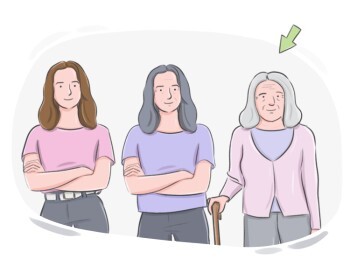
an advanced stage of life characterized by a long lifespan and great wisdom
βαθιά γεράματα, ώριμο γήρας

used to describe someone or something that is old and has existed for a long time
πολύ παλιός, αρχαίος

used to describe an old person who is still very active and healthy
σφριγηλός και υγιής, υγιής και δυνατός

a senior citizen that spends a lot of time using the Internet
ηλικιωμένος χρήστης διαδικτύου, ηλικιωμένος σέρφερ
Ο όρος «ασημένιος σέρφερ» έχει γίνει κοινός καθώς περισσότεροι ηλικιωμένοι αγκαλιάζουν την τεχνολογία.

used to refer to a significant age difference between two people, especially those who are romantically involved with one another
αρκετά μεγάλος για γονιός, ηλικιακή διαφορά γονέα

describing an individual who has lived for a very long time and is not able to do certain activities due to old age
μεγάλος σε ηλικία, γερασμένος

considered old and no longer at one's best
πέρα από την ακμή, ξοφλημένος
at the stage of life when someone is at their strongest, healthiest, most attractive, or most capable, especially in terms of physical or professional performance
during the most beautiful, energetic, and promising period of one's youth, when one is considered to be at the height of youthful vitality
the final period of one's life, particularly the later years of old age, often associated with retirement and a gradual decline in physical strength
to be considered too old or no longer sufficiently capable, attractive, or effective to do something as well as one once could
to have enjoyed a long and generally successful or fulfilling life, career, or period of activity, especially when it is coming to an end
a period in old age when someone becomes mentally less capable or begins behaving in a childish or immature way, especially as a result of age-related decline
used to refer politely or indirectly to someone who is middle-aged or older without stating their exact age
to behave in a way considered appropriate for one's age and level of maturity, especially when telling someone to stop acting foolishly or childishly
used to emphasize that someone is growing older, often as a reason to stop delaying an important decision, make the most of one's time, or recognize declining physical abilities
