
Daftar Kata Level C2 - Linguistik
Di sini Anda akan mempelajari semua kata penting untuk berbicara tentang Linguistik, yang dikumpulkan khusus untuk pelajar tingkat C2.
Tinjauan
Kartu flash
Ejaan
Kuis


the fact of having an excessive number of words that results in being tedious

kebanyakan kata
Argumen penutup pengacara itu menderita prolixity, menyebabkan juri kehilangan fokus saat ia menjelaskan setiap poin kecil secara rinci.
the study of techniques and principles for using language effectively, especially in public speaking
retorika, seni pidato
Kursus tentang retorika mencakup latihan menulis dan menyampaikan pidato.
the interconnectedness and referencing of texts, where one text refers to or influences another, creating layers of meaning and a complex web of relationships between texts
intertekstualitas, keterhubungan teks
Melalui intertekstualitas, penyair menciptakan permadani dari kiasan dan kutipan dari karya lain, mengundang pembaca untuk mengeksplorasi konteks sastra yang lebih luas dari puisi tersebut.
the overlapping and blending of language elements, such as sounds or grammatical structures, within speech or writing
imbrikasi, tumpang tindih
Imbrikasi penyair dari kosakata kuno dan modern memberikan karyanya kualitas yang abadi.
(grammar) the use of two adjacent noun phrases having the same referent that have the same syntactical role in a sentence
aposisi, penempatan berdampingan
Memahami aposisi sangat penting untuk mengurai kalimat kompleks, karena membantu dalam mengidentifikasi hubungan antara berbagai bagian kalimat.
a new word that is formed by the combination of two other words blending their meaning and sounds
kata gabungan, kata portmanteau
Dalam linguistik, sebuah kata portmanteau menggabungkan suara dan makna dari dua kata yang berbeda untuk menciptakan istilah baru yang unik.
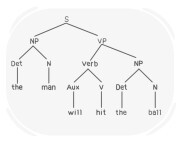
(linguistics) the way in which words and phrases are arranged to form grammatical sentences in a language
sintaksis, struktur gramatikal
Ahli bahasa mempelajari sintaksis untuk mengungkap prinsip-prinsip mendasar yang menentukan bagaimana berbagai bahasa membentuk kalimat.
(linguistics) the smallest meaningful unit of a language that does not necessarily stand alone and cannot be divided
morfem, unit terkecil yang bermakna
Memahami morfem membantu ahli bahasa menganalisis bagaimana kata dibentuk dan bagaimana mereka menyampaikan makna.
(linguistics) a branch of linguistics that deals with meaning, reference, or truth
semantik
Analisis semantik dari sebuah kalimat dapat mengungkapkan niat dan implikasi yang mendasari pembicara.
the complete set of meaningful units in a language or a branch of knowledge, or words or phrases that a speaker uses
leksikon, kosakata
Sebuah leksikon khusus sangat penting dalam bidang teknis seperti kedokteran atau hukum, di mana terminologi yang tepat sangat penting.
(grammar) a word or phrase that refers to a preceding word or phrase
anafora, pengulangan
Dalam pidato politik, anafora bisa menjadi alat yang kuat untuk menekankan poin-poin kunci dan menggalang dukungan.
the phenomenon in language where a single word has multiple related meanings or senses
polisemi, fenomena polisemi
Polisemi dari kata "bank" mencakup makna yang terkait dengan lembaga keuangan, tepi sungai, dan kemiringan.
a variant pronunciation of a phoneme, which can occur due to phonetic differences in specific contexts or environments within a language
sebuah alofon, varian pengucapan dari sebuah fonem
Ahli bahasa menganalisis distribusi alofon dalam suatu bahasa untuk memahami aturan dan pola fonologisnya.
(linguistics) a basic linguistic unit that is meaningful and underlies a set of words which are related through inflection
leksem, unit linguistik dasar
Ahli bahasa mempelajari leksem untuk memahami bagaimana kata-kata terkait secara morfologis dan semantis dalam suatu bahasa.
the smallest unit of sound in a language that can distinguish meaning, often represented by a specific symbol in phonetic notation
fonem, unit bunyi
Fonem adalah unit abstrak yang direalisasikan sebagai berbagai alofon dalam konteks fonetik yang berbeda.
a word that is more general and encompasses a broader category of related terms
hipernim, istilah umum
Memahami hipernim membantu dalam mengorganisir dan mengkategorikan kosakata ke dalam struktur hierarkis.
the process of inventing a word
neologisme, pembuatan kata
Era internet telah melihat lonjakan neologisme karena teknologi dan media sosial memperkenalkan cara komunikasi baru.
the phenomenon in which an irregular form of a word, often a verb or adjective, is used instead of a regular form to express a different grammatical feature
suplemen, suppletion
Suplesi dapat menciptakan ketidakteraturan dalam bahasa, membuat penutur harus menghafal bentuk tidak teratur secara terpisah dari pola reguler.
(linguistics) a variety of language that is used in a particular social context, based on the communicative purpose and social status of the user
register, tingkat bahasa
a phonological process in which sounds or syllables in a word are rearranged or switched positions, resulting in a change in the order of phonemes or syllables within the word
metatesis, pertukaran posisi
Ahli bahasa mempelajari metatesis untuk memahami proses fonologisnya dan kejadiannya di berbagai bahasa.
a phonological process in which a sound or phoneme is inserted into a word, typically to break up a consonant cluster or improve phonotactic constraints
epentesis, penyisipan bunyi
Ahli bahasa menganalisis epenthesis untuk memahami bagaimana aturan fonologis beroperasi dalam suatu bahasa dan di berbagai dialek.
the process of duplicating all or part of a word or morpheme to create a new form, often with a change in meaning or grammatical function
reduplikasi, pengulangan
Ahli bahasa mempelajari reduplikasi untuk memahami bagaimana bahasa menggunakan pengulangan untuk menciptakan kata-kata baru, mengintensifkan makna, atau menunjukkan aspek tata bahasa seperti jamak atau waktu kata kerja.
the process of shortening a word by dropping one or more syllables
pemendekan, pengguntingan
Ahli bahasa memeriksa clipping untuk memahami bagaimana bahasa berevolusi dan beradaptasi, membuat komunikasi lebih efisien dengan menciptakan bentuk kata yang lebih pendek dan lebih mudah dikelola.
a word-formation process in which a word or name is modified to create a shorter, affectionate, or informal version, often used to express familiarity, endearment, or intimacy
hipokorisme, nama sayang
Ahli bahasa mempelajari hipokorisme untuk memahami bagaimana bahasa dan budaya menciptakan dan menggunakan bentuk nama yang penuh kasih sayang atau informal.
the redundant repetition of an idea using different words in a sentence or phrase
tautologi, pengulangan yang tidak perlu
Dalam linguistik, tautologi adalah pengulangan yang berlebihan dari suatu ide, di mana konsep yang sama diungkapkan beberapa kali dengan kata-kata yang berbeda.
a phonological process in which vowels within a word or across adjacent words become more similar or assimilate to each other in terms of certain phonetic features
harmoni vokal, keselarasan vokal
Harmoni vokal dapat sangat mempengaruhi morfologi suatu bahasa, mempengaruhi bagaimana kata dan afiks dibentuk dan diucapkan.
a word that represents a subset of a broader category
hiponim, subkategori
Mempelajari hiponim dapat membantu Anda mengkategorikan informasi dengan lebih efektif.
relating to phenomena, especially in language, as they exist at a specific time, without reference to historical development
sinkronis, serempak
Tata bahasa diperiksa dengan cara sinkronis.
related to the study or analysis of phenomena or changes over time, particularly within linguistics or historical contexts
diakronis, historis
Perspektif diakronis mengungkap pola bahasa sepanjang zaman.
