


C2レベルの単語リスト - Linguistics

ここでは、C2レベルの学習者向けに特別に集められた、言語学について話すためのすべての基本的な単語を学びます。

review-disable

レビュー

flashcard-disable

フラッシュカード

spelling-disable

綴り

quiz-disable

クイズ

学習を開始
C2レベルの単語リスト
prolixity [名詞]
اجرا کردن

冗長

Ex: The professor 's lecture was criticized for its prolixity , as many students found the excessive detail and lengthy explanations overwhelming and tedious .

教授の講義は、多くの学生が過剰な詳細と長い説明を圧倒的で退屈だと感じたため、その冗長さを批判されました。
rhetoric [名詞]
اجرا کردن

the study of techniques and principles for using language effectively, especially in public speaking

Ex: She studied rhetoric to improve her debate skills .
اجرا کردن

間テクスト性

Ex: Intertextuality enriches the reading experience by allowing readers to recognize and appreciate the connections between different literary works and their themes .

インターテクスチュアリティは、読者が異なる文学作品とそのテーマ間のつながりを認識し、評価することを可能にすることで、読書体験を豊かにします。

imbrication [名詞]
اجرا کردن

重なり

Ex: The imbrication of English and Spanish in the border regions creates a unique linguistic blend that fascinates linguists .

国境地域における英語とスペイン語の重なりは、言語学者を魅了するユニークな言語的ブレンドを生み出します。

apposition [名詞]
اجرا کردن

同格

Ex: In linguistics , apposition refers to a grammatical construction where two elements , usually noun phrases , are placed side by side , with one element serving to define or modify the other .

言語学において、同格とは、通常は名詞句である2つの要素が並べて置かれ、1つの要素がもう1つを定義または修飾する文法構造を指します。

اجرا کردن

かばん語

Ex: The term " brunch " is a portmanteau word that combines " breakfast " and " lunch . "

「ブランチ」という用語は、「朝食」と「昼食」を組み合わせたかばん語です。

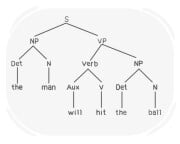
syntax [名詞]
اجرا کردن

構文

Ex: In linguistics , syntax refers to the rules that govern the structure of sentences , determining how words are arranged to convey meaning .

言語学において、統語論は、意味を伝えるために単語がどのように配置されるかを決定し、文の構造を支配する規則を指します。

morpheme [名詞]
اجرا کردن

形態素

Ex: In linguistics , a morpheme is the smallest unit of meaning or grammatical function in a language .

言語学において、形態素は言語における意味または文法的機能の最小単位です。

semantics [名詞]
اجرا کردن

意味論

Ex: In linguistics , semantics is the study of meaning in language , focusing on how words , phrases , and sentences convey meaning .

言語学において、意味論は言語における意味の研究であり、単語、フレーズ、文がどのように意味を伝えるかに焦点を当てています。

lexicon [名詞]
اجرا کردن

語彙

Ex: The lexicon of a language encompasses all the words and phrases that speakers use to communicate meaning .

言語の語彙は、話者が意味を伝えるために使用するすべての単語やフレーズを含んでいます。

anaphora [名詞]
اجرا کردن

アナフォラ

Ex: Anaphora refers to the rhetorical device of repeating a word or phrase at the beginning of successive clauses or sentences.

アナフォラは、連続する節や文の先頭で単語やフレーズを繰り返す修辞技法を指します。

polysemy [名詞]
اجرا کردن

多義性

Ex: The polysemy of the word " bank " includes meanings related to financial institutions , river edges , and inclines .

「銀行」という言葉の多義性には、金融機関、川岸、傾斜に関する意味が含まれます。

allophone [名詞]
اجرا کردن

異音、特定の文脈や環境における音韻の変異発音で、言語内の音声的差異によって生じることがある

Ex: In phonetics , an allophone is a variant form of a phoneme , which occurs in specific phonetic environments .

音声学において、異音は特定の音声環境で発生する音素の変異形です。

lexeme [名詞]
اجرا کردن

語彙素

Ex: A lexeme is the smallest unit of meaning in a language , encompassing both a word and all its inflected forms .

語彙素は、言語における意味の最小単位であり、単語とそのすべての屈折形を含みます。

phoneme [名詞]
اجرا کردن

音素

Ex: In linguistics , a phoneme is the smallest distinctive sound unit in a language that can change the meaning of a word .

言語学において、音素は、単語の意味を変えることができる言語内の最小の区別可能な音の単位です。

hypernym [名詞]
اجرا کردن

上位語

Ex: A hypernym is a word that represents a category or a more general term that encompasses more specific words within that category .

上位語とは、カテゴリーを表す、またはそのカテゴリー内のより具体的な単語を含むより一般的な用語である。

neologism [名詞]
اجرا کردن

新語

Ex: A neologism is a newly coined word or expression that has not yet been widely accepted into the lexicon of a language .

新語とは、新しく作られた単語や表現で、まだ言語の語彙として広く受け入れられていないものを指します。

suppletion [名詞]
اجرا کردن

補充法

Ex: Suppletion refers to the phenomenon in morphology where an irregular form is used to express a grammatical contrast instead of regular inflection .

補充法は、形態論における現象を指し、規則的な屈折の代わりに不規則な形式が文法上の対比を表すために使用されます。

register [名詞]
اجرا کردن

レジスター

Ex: In linguistics , register refers to a variety of language used for a particular purpose or in a specific social context .

言語学において、レジスターとは、特定の目的や特定の社会的文脈で使用される言語の多様性を指します。

metathesis [名詞]
اجرا کردن

音位転換

Ex: Metathesis in linguistics refers to the rearrangement of sounds or syllables within a word.

言語学における音位転換は、単語内の音や音節の並べ替えを指します。

epenthesis [名詞]
اجرا کردن

エペンテシス

Ex: Epenthesis is a phonological process in which a sound is added to a word , typically to break up consonant clusters or to improve pronunciation .

エペンテシスは、音が単語に追加される音韻過程で、通常、子音クラスターを分割したり、発音を改善したりするために行われます。

اجرا کردن

重複

Ex: Reduplication is a morphological process in linguistics where a part or the entirety of a word is repeated to convey grammatical or semantic changes .

重複は、言語学における形態論的プロセスであり、単語の一部または全体が繰り返され、文法的または意味的な変化を伝えるものです。

clipping [名詞]
اجرا کردن

切り捨て

Ex: Clipping is a morphological process in linguistics where a longer word is shortened without changing its meaning, often resulting in a more casual or familiar term.

クリッピングは、言語学における形態論的プロセスで、より長い単語がその意味を変えずに短縮され、しばしばよりカジュアルまたは親しみやすい用語になることです。

hypocorism [名詞]
اجرا کردن

ヒポコリズム

Ex: Hypocorism is the use of a pet name or affectionate form of a proper name , often involving a diminutive or altered version of the original name .

ヒポコリズムは、適切な名前の愛称や愛情を込めた形式の使用であり、多くの場合、元の名前の短縮版または変更版を含みます。

tautology [名詞]
اجرا کردن

トートロジー

Ex: " ATM machine " is a classic example of a tautology , as the " M " already stands for " machine . "

"ATM machine"は、"M"がすでに"machine"(機械)を意味しているため、トートロジーの古典的な例です。

اجرا کردن

母音調和

Ex: Vowel harmony is a phonological process in which vowels within a word agree in certain features , such as frontness or backness , to create a more harmonious sound .

母音調和とは、単語内の母音が前舌性や後舌性などの特定の特徴で一致し、より調和のとれた音を作り出す音韻過程です。

hyponym [名詞]
اجرا کردن

下位語

Ex: Rose is a hyponym of flower .

下位語は花の下位語です。

synchronic [形容詞]
اجرا کردن

relating to phenomena, especially in language, as they exist at a specific time, without reference to historical development

Ex: The linguist took a synchronic approach , analyzing the language as it exists today .
diachronic [形容詞]
اجرا کردن

通時的

Ex: Diachronic linguistics looks at how words change meaning over centuries.

通時的言語学は、単語の意味がどのように何世紀にもわたって変化するかを調べます。