
C2 Düzeyi Kelime Listesi - Dilbilim
Burada, özellikle C2 seviyesi öğrencileri için derlenmiş, Dilbilim hakkında konuşmak için gerekli tüm temel kelimeleri öğreneceksiniz.
Gözden Geçir
Flash kartlar
Yazım
Quiz

the fact of having an excessive number of words that results in being tedious

laf kalabalığı
Dinleyicilerini etkileme girişiminde, konuşmacının aşırı sözcük kullanımı ters tepti, birçok katılımcı uzun ve gereksiz sunum karşısında sabırsızlandı.
the study of techniques and principles for using language effectively, especially in public speaking
sözbilim
Aristoteles'in eserleri, retorik çalışmasında temeldir.
the interconnectedness and referencing of texts, where one text refers to or influences another, creating layers of meaning and a complex web of relationships between texts
metinlerarasılık
Bilginler, çağdaş yazarların modern sorunları ele almak için klasik edebiyattan nasıl öğeler aldığını ve dönüştürdüğünü anlamak için sıklıkla metinlerarasılığı analiz eder.
the overlapping and blending of language elements, such as sounds or grammatical structures, within speech or writing
örtüşme
Ulusal dil içindeki bölgesel lehçelerin örtüşmesi, ülkenin zengin kültürel çeşitliliğini sergiler.
(grammar) the use of two adjacent noun phrases having the same referent that have the same syntactical role in a sentence
eşleme
Yazarlar, "Sanatçı, canlı resimleriyle tanınan, bir sergi düzenledi." gibi tanımlayıcı detaylar eklemek için sıklıkla yan yana koyma kullanır.
a new word that is formed by the combination of two other words blending their meaning and sounds
birleşik sözcük
Modern dilde birleşik kelimelerin popülaritesi, "motor" ve "otel" kelimelerinin birleşimi olan "motel" gibi terimlerde belirgindir.
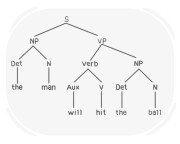
(linguistics) the way in which words and phrases are arranged to form grammatical sentences in a language
sözdizim
İngilizcenin sözdizimi genellikle özne-fiil-nesne düzenini izler, ancak bu yapı farklı diller arasında önemli ölçüde değişebilir.
(linguistics) the smallest meaningful unit of a language that does not necessarily stand alone and cannot be divided
biçimbirim
Morflar serbest olabilir, "kitap" gibi, ya da bağlı olabilir, geçmiş zamanı gösteren "-di" eki gibi.
(linguistics) a branch of linguistics that deals with meaning, reference, or truth
semantik
Semantik, bilgisayarların insan dilini doğru bir şekilde anlamasına ve üretmesine olanak tanıyarak doğal dil işlemede çok önemli bir rol oynar.
the complete set of meaningful units in a language or a branch of knowledge, or words or phrases that a speaker uses
veri sözlüğü
Argo ve günlük ifadelerin sözlüğü, toplum ve kültürdeki değişiklikleri yansıtmak için sürekli evrim geçirir.
(grammar) a word or phrase that refers to a preceding word or phrase
anafor
Martin Luther King Jr.'ın konuşmasındaki "I have a dream" anforası, tekniğin en ikonik örneklerinden biridir.
the phenomenon in language where a single word has multiple related meanings or senses
çok anlamlılık
Belirsizlik bazen polisemiden kaynaklanabilir, doğru yorumlama için bağlam veya ek bilgi gerektirir.
a variant pronunciation of a phoneme, which can occur due to phonetic differences in specific contexts or environments within a language
sesteş
Alofonlar, artikülasyonlarında farklılık gösterebilir ancak bir kelimenin anlamını değiştirmez.
(linguistics) a basic linguistic unit that is meaningful and underlies a set of words which are related through inflection
sözcük birim
"Gitmek" leksemi, "gitti", "gidiyor" ve "gider" gibi çeşitli biçimleri kapsar ve her biri fiilin anlamının farklı yönlerini iletir.
the smallest unit of sound in a language that can distinguish meaning, often represented by a specific symbol in phonetic notation
sesbirim
Fonemleri tanımlamak, bir dilin ses sistemini ve fonolojik kurallarını anlamak için çok önemlidir.
a word that is more general and encompasses a broader category of related terms
kapsayıcı terim
Anlamsal ağlarda, hipernimler daha spesifik terimlere bağlanan daha geniş kavramları temsil etmek için kullanılır.
the process of inventing a word
yeni kelimeler bulma
Dilbilimciler, dilin zaman içinde nasıl evrildiğini ve kültürel değişimleri nasıl yansıttığını anlamak için neolojizmleri inceler.
the phenomenon in which an irregular form of a word, often a verb or adjective, is used instead of a regular form to express a different grammatical feature
değişik biçimlenme
Bazı dillerde, sıfatların karşılaştırma ve üstünlük derecelerinde tamamlama yaygındır, burada tamamen farklı kelimeler çekim yerine kullanılır.
(linguistics) a variety of language that is used in a particular social context, based on the communicative purpose and social status of the user
belli durumlarda kullanılan sözcükler
a phonological process in which sounds or syllables in a word are rearranged or switched positions, resulting in a change in the order of phonemes or syllables within the word
göçüşme, metazez
Metatez, konuşma hatalarından veya tarihsel ses değişikliklerinden kaynaklanabilir ve bu da kelime formlarında çeşitliliklere yol açabilir.
a phonological process in which a sound or phoneme is inserted into a word, typically to break up a consonant cluster or improve phonotactic constraints
ses türemesi
Epentez, dil evriminin doğal bir parçası olarak ortaya çıkabilir ve fonetik değişikliklere ve lehçe varyasyonlarına katkıda bulunabilir.
the process of duplicating all or part of a word or morpheme to create a new form, often with a change in meaning or grammatical function
çoğaltma, pekiştirme
Bazı dillerde, çoğul oluşturmak için ikileme kullanılır, Endonezya dilinde olduğu gibi "orang" "kişi" anlamına gelir ve "orang-orang" "insanlar" anlamına gelir.
the process of shortening a word by dropping one or more syllables
kısaltma
Kırpma, günlük konuşmada yaygındır ve kısaltılmış formların standart kelime dağarcığı olarak yaygın bir şekilde benimsenmesine yol açabilir.
a word-formation process in which a word or name is modified to create a shorter, affectionate, or informal version, often used to express familiarity, endearment, or intimacy
takma isim
Birçok dilde, hipokorizmler aileler ve yakın ilişkiler içinde samimiyet, aşinalık veya sevgi ifade etmek için kullanılır.
the redundant repetition of an idea using different words in a sentence or phrase
gereksiz yineleme, eşsöz
Totolojiye bir örnek, "hediye" kelimesinin zaten ücretsiz olduğunu ima ettiği "ücretsiz hediye" ifadesidir.
a phonological process in which vowels within a word or across adjacent words become more similar or assimilate to each other in terms of certain phonetic features
ünlü uyumu
Fince'de, ünlü uyumu, kelimelerin genellikle ön ünlüler (ä ve ö gibi) veya arka ünlüler (a ve o gibi) içerdiğini, ancak ikisini birden içermediğini belirtir.
a word that represents a subset of a broader category
hiponim, alt kategori
Hiponim, "memeli"nin bir hiponimdir, yani daha spesifik bir memeli türü olduğu anlamına gelir.
relating to phenomena, especially in language, as they exist at a specific time, without reference to historical development
eşzamanlı, senkronik
Senkronik analiz, belirli bir zamanda yapı ve işleve odaklanır.
related to the study or analysis of phenomena or changes over time, particularly within linguistics or historical contexts
diyakronik, tarihsel
Diyakronik çalışma, dini inançların tarihine ışık tutar.
