
Vocabolario Essenziale per il TOEFL - Il Regno animale
Qui imparerai alcune parole inglesi sul regno animale, come "rettile", "roditore", "bestia", ecc., che sono necessarie per l'esame TOEFL.
Revisione
Flashcard
forme
Ortografia
Quiz
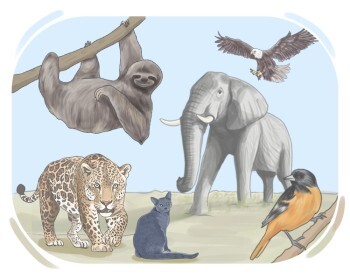
any living thing that is able to move on its own, such as an animal, fish, etc.

creatura
wild animals living freely in their natural environment, considered collectively
fauna
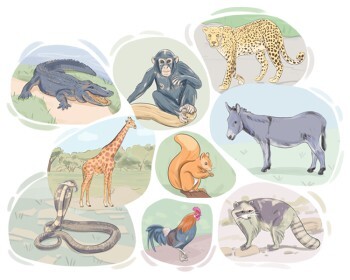
a group that animals, plants, etc. of the same type which are capable of producing healthy offspring with each other are divided into
specie
La farfalla monarca è una specie di farfalla che migra per migliaia di miglia ogni anno.
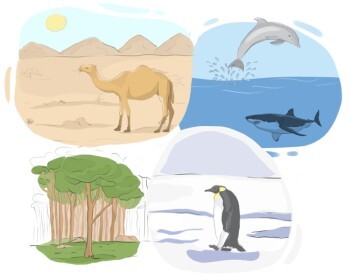
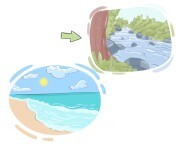
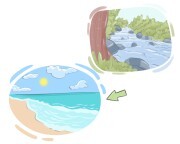
the natural environment in which a particular animal, plant, or other organism normally lives or grows
habitat
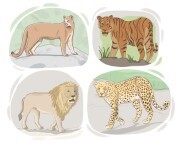
an animal, especially one that is large, wild, dangerous, or unusual
bestia
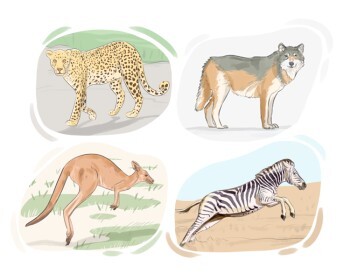
a warm-blooded vertebrate animal whose females produce milk to feed their young and that typically has hair or fur
mammifero
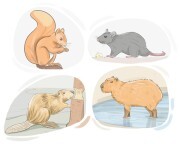
any small mammal with a pair of strong front teeth, such as mice, hamsters, rats, etc.
roditore
I roditori, sebbene non siano comunemente considerati tali, i porcospini sono classificati nella famiglia dei roditori e sono noti per i loro aculei usati come meccanismi di difesa.
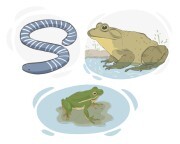
any cold-blooded animal with the ability to live both on land and in water, such as toads, frogs, etc.
anfibio
Alcuni anfibi, come la rana artigliata africana, sono comunemente tenuti come animali domestici negli acquari di casa.
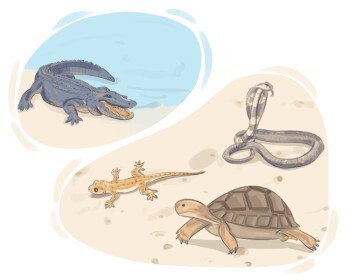
a class of animals to which crocodiles, lizards, etc. belong, characterized by having cold blood and scaly skin
rettile
I rettili sono a sangue freddo e si affidano a fonti di calore esterne per regolare la loro temperatura corporea.
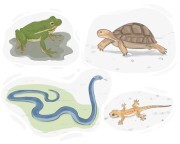
describing an animal that its body temperature changes depending on the temperature of its surroundings
a sangue freddo
Contando su ambienti umidi, le salamandre, creature a sangue freddo, mantengono la loro temperatura corporea.
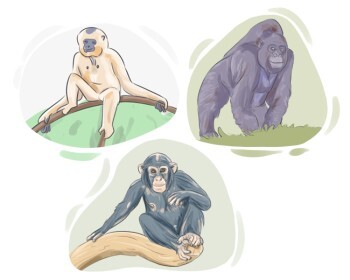
any mammalian animal that belongs to the same group as humans, such as monkeys, apes, lemurs, etc.
primate
a tailless animal similar to a monkey, such as chimpanzees and gorillas
scimmia
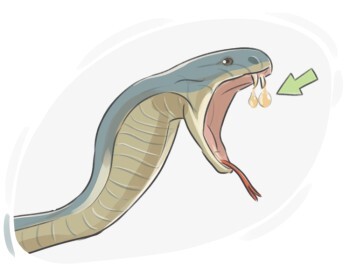
a toxic substance produced and secreted by certain animals, typically used for defense or hunting
veleno
Il veleno degli scorpioni può essere fatale in piccole dosi.
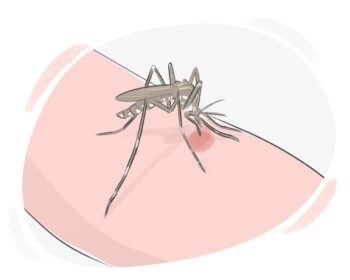
(of an animal or insect) to pierce the skin of another animal or a human, typically injecting poison, either in self-defense or while preying
pungere
to blend in with the surroundings to avoid being seen or detected
mimetizzare
Il predatore si è mimetizzato prima di inseguire la sua preda.
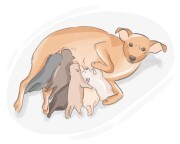
(of an animal) to have sex and give birth to young
riprodursi
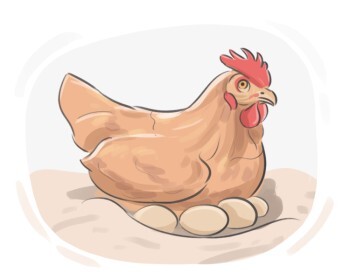
(of a bird, insect, fish, etc.) to produce eggs
deporre, posare

an animal's partner for reproduction
amico
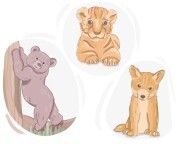
a young carnivorous mammal, such as a bear, lion, fox, etc.
cucciolo
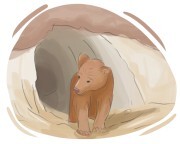
the hidden place where a wild predatory animal lives
tana
I conigli scavano tane nel terreno per creare tane accoglienti dove possono nascondersi dai predatori e allevare la loro prole.
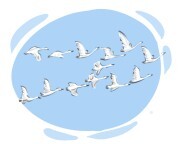
a group of birds that live, feed, or move together
stormo
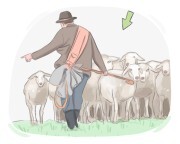
a group of animals, such as cows, sheep, etc. that are from the same species, which move and feed together
mandria
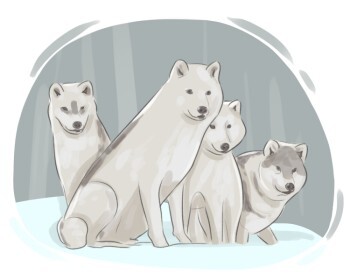
a group of animals of the same type hunting or living together, particularly wolves
muta, branco
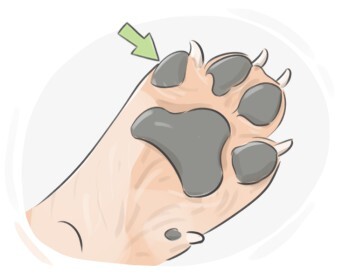
an animal's foot that typically has a combination of nails, claws, fur, and pads
zampa
La volpe ha posato con cura la sua zampa ferita a terra mentre zoppicava attraverso la foresta.
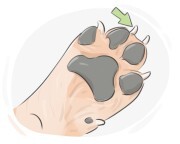
a sharp and curved nail on the toe of an animal or a bird
artiglio
I potenti artigli della tigre la rendevano un'eccellente cacciatrice.
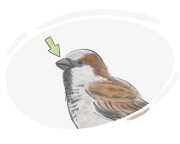
the hard or pointed part of a bird's mouth
becco
Il becco del pellicano è lungo e può contenere una quantità sorprendente di acqua.
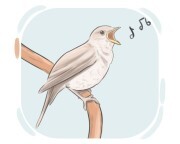
the sound that a bird or an animal usually makes
chiamata, canto
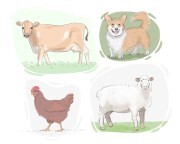
to change wild animals or plants for human use or cultivation
addomesticare
Alcuni scienziati stanno esplorando la possibilità di addomesticare alcune piante selvatiche per la produzione alimentare in futuro.
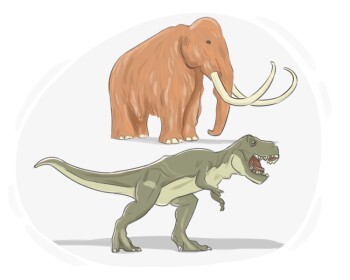
(of an animal, plant, etc.) not having any living members, either due to natural causes, environmental changes, or human activity
estinto
Gli sforzi di conservazione mirano a proteggere le specie in via di estinzione e a impedire che diventino estinte.
(of fish, birds, or other animals) to move to different geographic areas according to seasons in order to breed, find food, or escape harsh environmental conditions
migrare
Gli elefanti africani migrano in cerca di acqua e cibo.
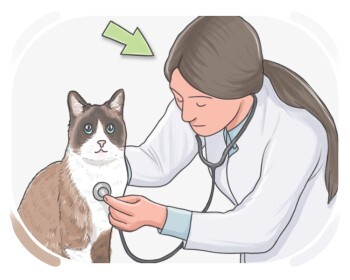
a doctor who is trained to treat animals
veterinario
Ha intrapreso una formazione avanzata in medicina degli animali esotici per diventare veterinario dello zoo.
