
Vocabular Esențial pentru TOEFL - Regatul Animal
Aici veți învăța câteva cuvinte în engleză despre regatul animal, cum ar fi "reptilă", "rozător", "bestie" etc., care sunt necesare pentru examenul TOEFL.
Revizuire
Fișe de studiu
forme
Ortografie
Chestionar

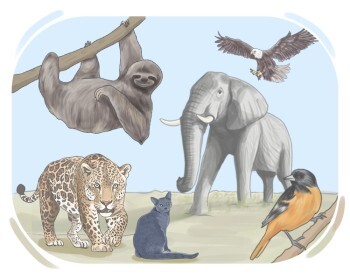
any living thing that is able to move on its own, such as an animal, fish, etc.

creatură, ființă vie
wild animals living freely in their natural environment, considered collectively
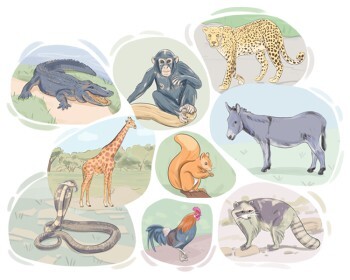
a group that animals, plants, etc. of the same type which are capable of producing healthy offspring with each other are divided into
specie, specii
Cinchezii Galapagos sunt un exemplu clasic al modului în care diferite specii pot evolua dintr-un strămoș comun.
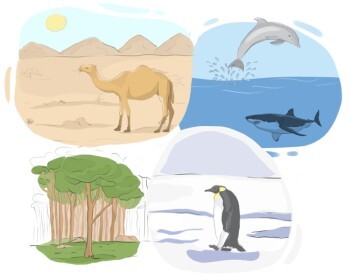
the natural environment in which a particular animal, plant, or other organism normally lives or grows
habitat, mediu natural
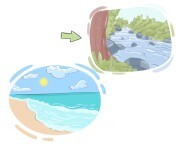
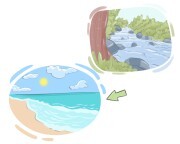
living in or taken from water that does not contain salt
de apă dulce, dulcicicol
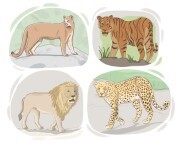
an animal, especially one that is large, wild, dangerous, or unusual
bestie, fiara
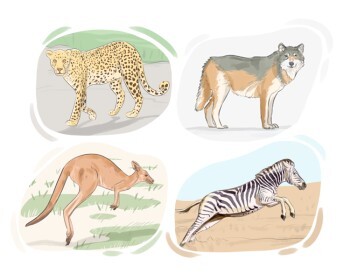
a warm-blooded vertebrate animal whose females produce milk to feed their young and that typically has hair or fur
mamifer, mamifere
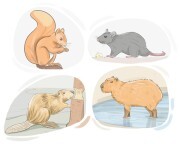
any small mammal with a pair of strong front teeth, such as mice, hamsters, rats, etc.
rozător, rozător
Șoarecele de casă este un rozător comun găsit în zonele urbane și rurale din întreaga lume.
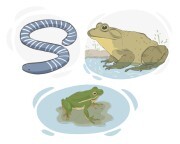
any cold-blooded animal with the ability to live both on land and in water, such as toads, frogs, etc.
amfibian, amphibian
Broasca este un amfibian bine cunoscut care își depune ouăle în apă și suferă o metamorfoză de la mormoloc la adult.
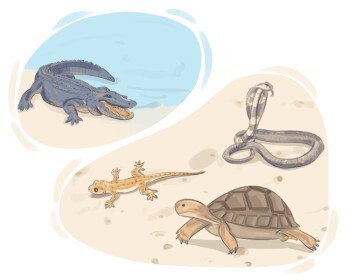
a class of animals to which crocodiles, lizards, etc. belong, characterized by having cold blood and scaly skin
reptilă, animal cu sânge rece
Un reptilă ca un șarpe poate supraviețui într-o gamă largă de medii.
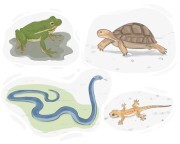
describing an animal that its body temperature changes depending on the temperature of its surroundings
cu sânge rece, poichiloterm
Șerpii sunt animale cu sânge rece care se tolănesc la soare pentru a-și ridica temperatura corporală pentru o activitate optimă.
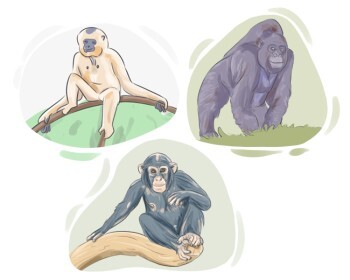
any mammalian animal that belongs to the same group as humans, such as monkeys, apes, lemurs, etc.
primat, maimuță
a tailless animal similar to a monkey, such as chimpanzees and gorillas
maimuță, maimuță antropoidă
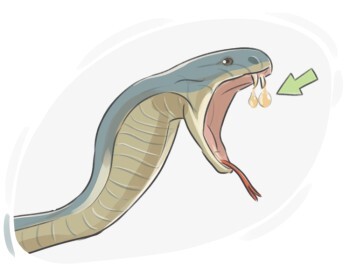
a toxic substance produced and secreted by certain animals, typically used for defense or hunting
venin, toxină
Șarpele a injectat venin în prada sa.
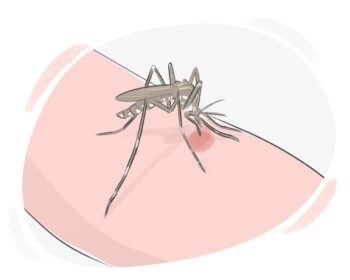
(of an animal or insect) to pierce the skin of another animal or a human, typically injecting poison, either in self-defense or while preying
înțepa, mușca
Albina va înțepa dacă percepe o amenințare la adresa stupului.
to blend in with the surroundings to avoid being seen or detected
a se camufla, a se contopi
Soldații au camuflat vehiculele lor pentru a evita detectarea inamică.
(of an animal) to have sex and give birth to young
a se reproduce, a procrea
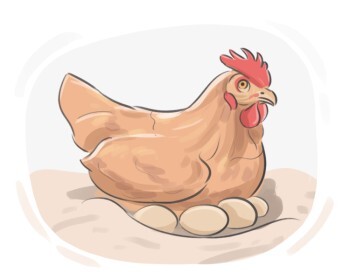
(of a bird, insect, fish, etc.) to produce eggs
ouă, depune

an animal's partner for reproduction
partener, pereche
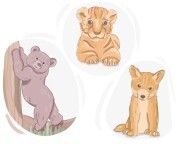
a young carnivorous mammal, such as a bear, lion, fox, etc.
pui, pui de animal
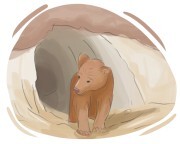
the hidden place where a wild predatory animal lives
bârlog, vizuină
Urșii construiesc adesea vizuină în peșteri sau sapă în pământ pentru hibernare în lunile de iarnă.
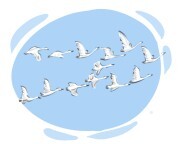
a group of birds that live, feed, or move together
stol, cârd
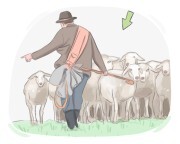
a group of animals, such as cows, sheep, etc. that are from the same species, which move and feed together
turma, cireadă
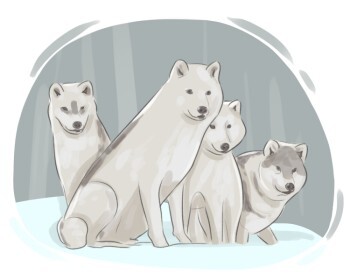
a group of animals of the same type hunting or living together, particularly wolves
haidă, turma
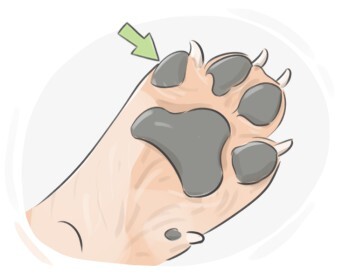
an animal's foot that typically has a combination of nails, claws, fur, and pads
lăbuță, picior
Pisoiul a lovit jucăuș șoricelul de jucărie cu micile lui lăbuțe.
a sharp and curved nail on the toe of an animal or a bird
gheară, ghiont
Pisica și-a întins ghearele ascuțite pentru a se apăra.
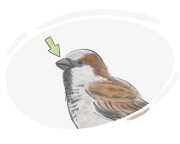
the hard or pointed part of a bird's mouth
cioc, cioc de pasăre
Papagalul și-a folosit ciocul pentru a sparge nuci.
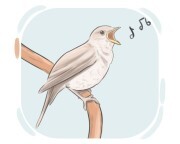
the sound that a bird or an animal usually makes
chemare, cântec
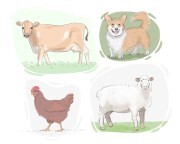
to change wild animals or plants for human use or cultivation
domestici, îmblânzi
Fermierii au domesticit porcii, selectând trăsături pentru docilitate și potrivire pentru agricultură.
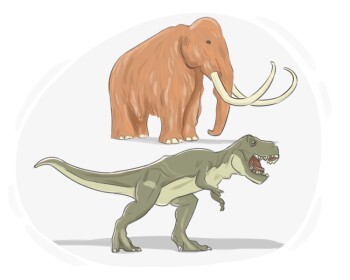
(of an animal, plant, etc.) not having any living members, either due to natural causes, environmental changes, or human activity
dispărut, stins
Pasărea dodo este un exemplu de specie care acum este dispărută, deoarece a dispărut cu secole în urmă din cauza activității umane.
(of fish, birds, or other animals) to move to different geographic areas according to seasons in order to breed, find food, or escape harsh environmental conditions
migra
Pe măsură ce anotimpurile se schimbă, unele specii de pești migrează în diferite părți ale oceanului.
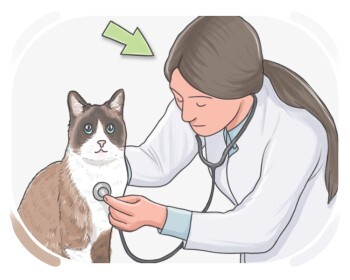
a doctor who is trained to treat animals
veterinar, medic veterinar
Ea lucrează ca veterinar într-o clinică veterinară locală de peste douăzeci de ani.
