
pattern

TOEFL için Gerekli Kelime Bilgisi - Hayvanlar Alemi

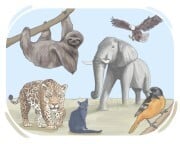
Burada, TOEFL sınavı için gerekli olan "sürüngen", "kemirgen", "canavar" gibi hayvanlar alemi hakkında bazı İngilizce kelimeler öğreneceksiniz.

Gözden Geçir

Flash kartlar

biçimler

Yazım

Quiz

Öğrenmeye başla
Essential Words Needed for TOEFL
creature
creature
[isim]

any living thing that is able to move on its own, such as an animal, fish, etc.

yaratık

yaratık

Ex: The forest was teeming with creatures of all shapes and sizes, from tiny insects to large mammals. 
wildlife
wildlife
[isim]

all wild animals, considered as a whole, living in the natural environment

vahşi yaşam

vahşi yaşam

Ex: The national park is home to a variety of wildlife, including bears and wolves. 
species
species
[isim]

a group that animals, plants, etc. of the same type which are capable of producing healthy offspring with each other are divided into

tür

tür

Ex: The Galapagos finches are a classic example of how different species can evolve from a common ancestor. 
habitat
habitat
[isim]

the place or area in which certain animals, birds, or plants naturally exist, lives, and grows

doğal ortam, yaşam ortamı

doğal ortam, yaşam ortamı

Ex: Coral reefs provide a rich habitat for thousands of marine species. 
freshwater
freshwater
[sıfat]

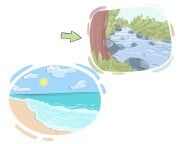
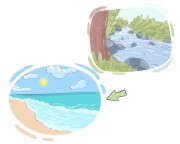
living in or taken from water that does not contain salt

tatlı su

tatlı su

saltwater
saltwater
[sıfat]

living in or taken from water that contains salt or seawater

tuzlu su

tuzlu su

beast
beast
[isim]

an animal, usually a wild or dangerous one

canavar, vahşi hayvan

canavar, vahşi hayvan

Ex: The beast roared, shaking the ground beneath it. 
mammal
mammal
[isim]

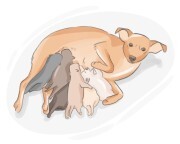
a class of animals to which humans, cows, lions, etc. belong, have warm blood, fur or hair and typically produce milk to feed their young

memeli

memeli

Ex: The bat is the only mammal capable of sustained flight. 
rodent
rodent
[isim]

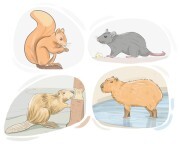
any small mammal with a pair of strong front teeth, such as mice, hamsters, rats, etc.

kemirgen

kemirgen

Ex: The house mouse is a common rodent found in urban and rural areas around the world. 
amphibian
amphibian
[isim]

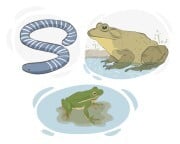
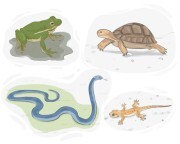
any cold-blooded animal with the ability to live both on land and in water, such as toads, frogs, etc.

amfibi, iki yaşamlı

amfibi, iki yaşamlı

Ex: The frog is a well-known amphibian that lays its eggs in water and undergoes metamorphosis from tadpole to adult. 
reptile
reptile
[isim]

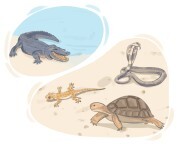
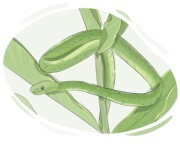
a class of animals to which crocodiles, lizards, etc. belong, characterized by having cold blood and scaly skin

sürüngen

sürüngen

Ex: A reptile like a snake can survive in a wide range of environments. 
cold-blooded
cold-blooded
[sıfat]

describing an animal that its body temperature changes depending on the temperature of its surroundings

soğukkanlı (hayvan)

soğukkanlı (hayvan)

Ex: Snakes are cold-blooded animals that bask in the sun to raise their body temperature for optimal activity. 
primate
primate
[isim]

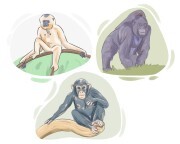
any mammalian animal that belongs to the same group as humans, such as monkeys, apes, lemurs, etc.

primat

primat

ape
ape
[isim]

a tailless animal similar to a monkey, such as chimpanzees and gorillas

insansı maymun

insansı maymun

Ex: The zoo has a new exhibit featuring various species of apes, including chimpanzees and gorillas. 
venom
venom
[isim]

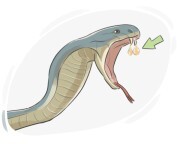
a toxic substance produced and secreted by certain animals, typically used for defense or hunting

zehir

zehir

Ex: The snake injected venom into its prey. 
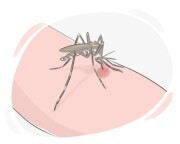
to sting
to sting
[fiil]

(of an animal or insect) to pierce the skin of another animal or a human, typically injecting poison, either in self-defense or while preying

sokmak

sokmak

Ex: The bee will sting if it perceives a threat to the hive. 
to camouflage

to blend in with the surroundings to avoid being seen or detected

kamufle etmek

kamufle etmek

Ex: The lizard camouflages itself by changing its skin color. 
to breed
to breed
[fiil]

(of an animal) to have sex and give birth to young

yavrulamak

yavrulamak

Ex: The pair of rabbits bred successfully, resulting in a litter of adorable baby bunnies. 
to lay
to lay
[fiil]

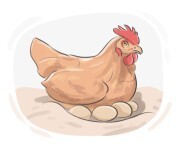
(of a bird, insect, fish, etc.) to produce eggs

yumurtlamak

yumurtlamak

Ex: The hen laid a dozen eggs in the nesting box yesterday. 
mate
mate
[isim]

the partner of an animal, especially for reproduction

eşi

eşi

Ex: The eagle returned to find its mate at the nest. 
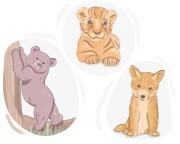
cub
cub
[isim]

a young carnivorous mammal, such as a bear, lion, fox, etc.

yavru (aslan,  ayı...)

yavru (aslan, ayı...)

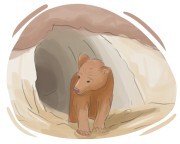
den
den
[isim]

the hidden place where a wild predatory animal lives

yabani hayvan ini

yabani hayvan ini

Ex: Bears often construct dens in caves or burrow into the ground for hibernation during the winter months. 
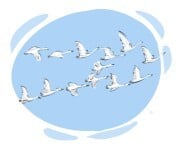
flock
flock
[isim]

a group of birds of the same type, flying and feeding together

sürü

sürü

Ex: With a flutter of wings, the flock of sparrows descended upon the bird feeder, chirping excitedly as they feasted. 
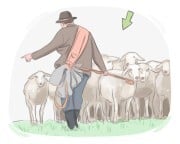
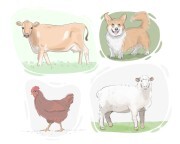
herd
herd
[isim]

a group of animals, such as cows, sheep, etc. that are from the same species, which move and feed together

sürü

sürü

Ex: The herd of cows grazed peacefully in the meadow. 
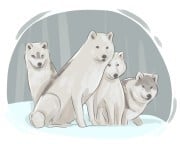
pack
pack
[isim]

a group of animals of the same type hunting or living together, particularly wolves

sürü

sürü

Ex: The wolf pack roamed the forest, their coordinated movements making them a formidable hunting force. 
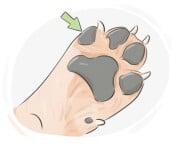
paw
paw
[isim]

an animal's foot that typically has a combination of nails, claws, fur, and pads

pati, pençe

pati, pençe

Ex: The kitten playfully batted at the toy mouse with her tiny paws. 
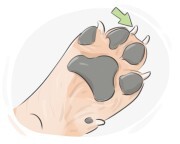
claw
claw
[isim]

a sharp and curved nail on the toe of an animal or a bird

pençe

pençe

Ex: The cat extended its sharp claws to defend itself. 
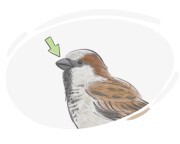
beak
beak
[isim]

the hard or pointed part of a bird's mouth

gaga

gaga

Ex: The parrot used its beak to crack open the nuts. 
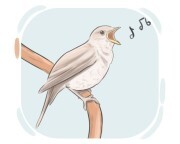
call
call
[isim]

the sound that a bird or an animal usually makes

çağrı, ötüş

çağrı, ötüş

to domesticate

to change wild animals or plants for human use or cultivation

evcilleştirmek

evcilleştirmek

Ex: Farmers have domesticated pigs, selecting traits for docility and suitability for farming. 
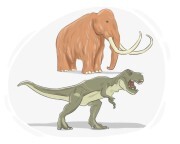
extinct
extinct
[sıfat]

(of an animal, plant, etc.) not having any living members, either due to natural causes, environmental changes, or human activity

nesli tükenmiş

nesli tükenmiş

Ex: The dodo bird is an example of a species that is now extinct, as it disappeared centuries ago due to human activity. 
to migrate

(of fish, birds, or other animals) to move to different geographic areas according to seasons in order to breed, find food, or escape harsh environmental conditions

göç etmek

göç etmek

Ex: As the seasons change, some fish species migrate to different parts of the ocean. 
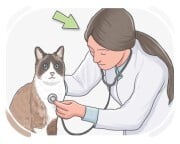
veterinarian

a doctor who is trained to treat animals

veteriner

veteriner

Ex: She's been working as a veterinarian at a local animal clinic for over twenty years. 
LanGeek
LanGeek uygulamasını indir