Essential Vocabulary for TOEFL - The Animal Kingdom

Here you will learn some English words about the animal kingdom, such as "reptile", "rodent", "beast", etc. that are needed for the TOEFL exam.

review-disable

review

flashcard-disable

flashcard

spelling-disable

spelling

quiz-disable

quiz

start-learning
Essential Vocabulary for TOEFL
creature [noun]

any living thing that is able to move on its own, such as an animal, fish, etc.

Ex: Conservationists work tirelessly to protect endangered creatures like the black rhinoceros and the Bengal tiger from extinction .
wildlife [noun]

all wild animals, considered as a whole, living in the natural environment
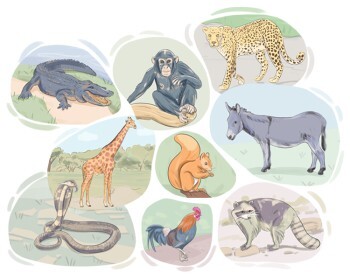
Ex: The jungle is teeming with wildlife , from insects to large mammals .
species [noun]

a group that animals, plants, etc. of the same type which are capable of producing healthy offspring with each other are divided into
Ex: The red wolf is a species of wolf that is native to the southeastern United States .
habitat [noun]

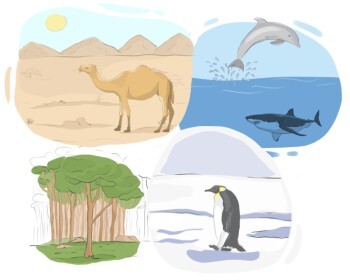
the place or area in which certain animals, birds, or plants naturally exist, lives, and grows
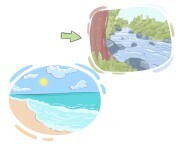
Ex: Urban expansion is destroying the habitat of many wild animals .
freshwater [adjective]

living in or taken from water that does not contain salt

saltwater [adjective]

living in or taken from water that contains salt or seawater

beast [noun]

an animal, usually a wild or dangerous one
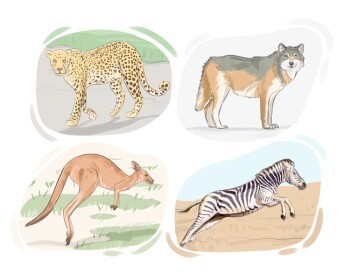
Ex: The villagers spoke of a mythical beast in the mountains .
mammal [noun]

a class of animals to which humans, cows, lions, etc. belong, have warm blood, fur or hair and typically produce milk to feed their young
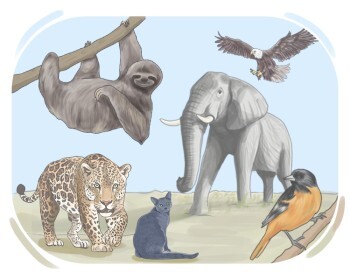
Ex: Elephants , with their distinctive trunks and large ears , are among the most iconic mammals found in Africa and Asia .
rodent [noun]

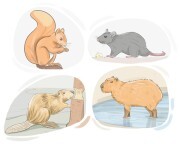
any small mammal with a pair of strong front teeth, such as mice, hamsters, rats, etc.
Ex: Squirrels , although often considered cute , are also rodents that play crucial roles in forest ecosystems .

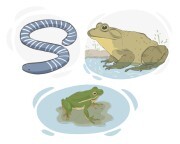
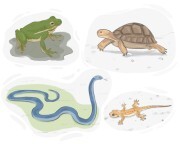
any cold-blooded animal with the ability to live both on land and in water, such as toads, frogs, etc.
Ex: Toads are amphibians similar to frogs but with dry , warty skin and shorter hind legs , adapted for hopping rather than leaping .
reptile [noun]

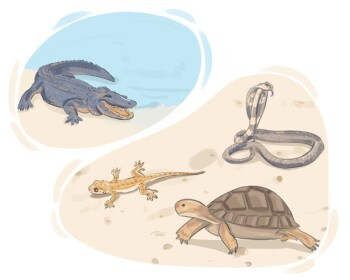
a class of animals to which crocodiles, lizards, etc. belong, characterized by having cold blood and scaly skin
Ex: The zoo has a variety of reptiles , including lizards , turtles , and snakes .
cold-blooded [adjective]

describing an animal that its body temperature changes depending on the temperature of its surroundings
Ex: Motionless on riverbanks , crocodiles , cold-blooded reptiles , absorb heat from the sun .
primate [noun]

any mammalian animal that belongs to the same group as humans, such as monkeys, apes, lemurs, etc.

ape [noun]

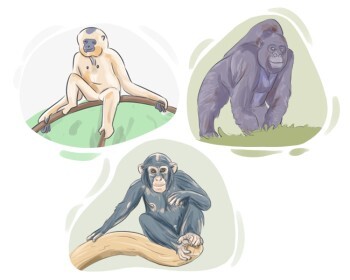
a tailless animal similar to a monkey, such as chimpanzees and gorillas
Ex: The documentary highlighted the intelligence and complex communication skills of apes .
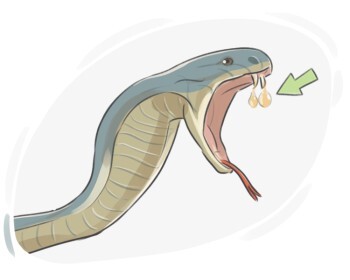
venom [noun]

a toxic substance produced and secreted by certain animals, typically used for defense or hunting
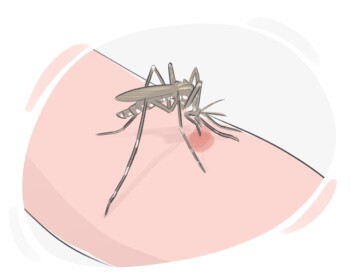
Ex: Some frogs produce venom as a chemical defense .
to sting [verb]

(of an animal or insect) to pierce the skin of another animal or a human, typically injecting poison, either in self-defense or while preying
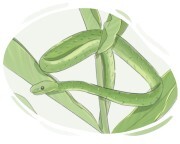
Ex: The wasp stung the child when it felt cornered .

to blend in with the surroundings to avoid being seen or detected
Ex: Birds often camouflage their nests to protect their eggs .
to breed [verb]

(of an animal) to have sex and give birth to young
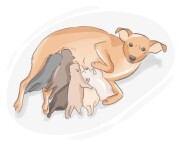
Ex: Wolves in the wild have a complex social structure that influences when and with whom they breed .
to lay [verb]

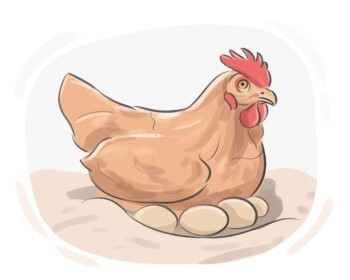
(of a bird, insect, fish, etc.) to produce eggs

Ex: The robin began to lay eggs in its nest as spring approached .
mate [noun]

the partner of an animal, especially for reproduction
Ex:
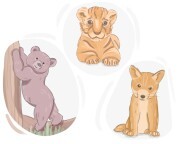
cub [noun]

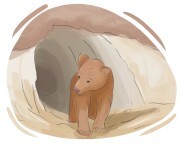
a young carnivorous mammal, such as a bear, lion, fox, etc.

den [noun]

the hidden place where a wild predatory animal lives
Ex:
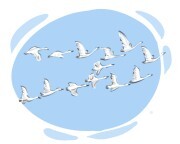
flock [noun]

a group of birds of the same type, flying and feeding together
Ex: With a whoosh of feathers , the flock of pigeons took flight , scattering in all directions as a car passed by .
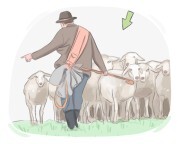
herd [noun]

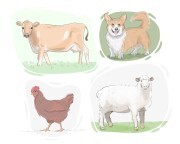
a group of animals, such as cows, sheep, etc. that are from the same species, which move and feed together
Ex: The farmer led the herd of sheep into the barn for the night .
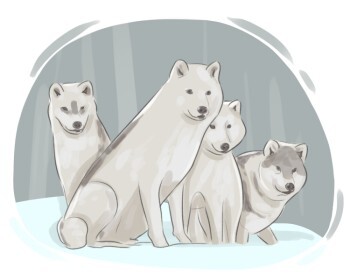
pack [noun]

a group of animals of the same type hunting or living together, particularly wolves
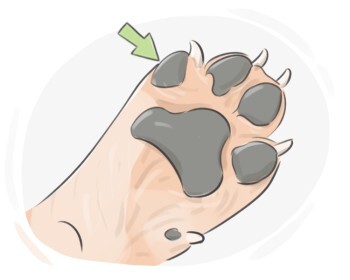
Ex: Researchers observed a pack of coyotes scavenging near the river , their yips echoing through the night .
paw [noun]

an animal's foot that typically has a combination of nails, claws, fur, and pads
Ex: With gentle strokes , the veterinarian examined the cat 's paw for any signs of injury or infection .
claw [noun]

a sharp and curved nail on the toe of an animal or a bird
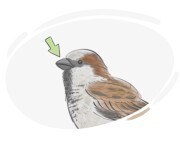
Ex: A claw on the lobster is strong enough to break shells .
beak [noun]

the hard or pointed part of a bird's mouth
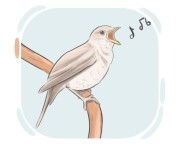
Ex: She noticed the bird ’s colorful beak as it perched on the branch .
call [noun]

the sound that a bird or an animal usually makes

to change wild animals or plants for human use or cultivation
Ex: Cats were domesticated in ancient Egypt to control pests in grain stores .
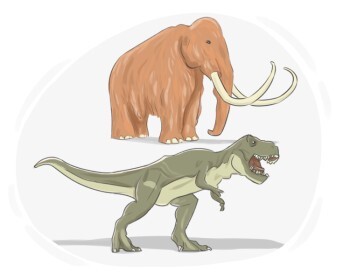
extinct [adjective]

(of an animal, plant, etc.) not having any living members, either due to natural causes, environmental changes, or human activity

Ex: The passenger pigeon was once one of the most abundant bird species in North America but became extinct in the early 20th century .

(of fish, birds, or other animals) to move to different geographic areas according to seasons in order to breed, find food, or escape harsh environmental conditions
Ex: Swans migrate to their breeding grounds in the northern hemisphere during the spring .

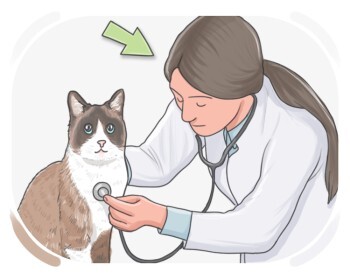
a doctor who is trained to treat animals

Ex: The veterinarian performed surgery on the cat to remove a tumor .