
Vocabulário Essencial para o TOEFL - O Reino Animal
Aqui você aprenderá algumas palavras em inglês sobre o reino animal, como "réptil", "roedor", "fera", etc., que são necessárias para o exame TOEFL.
Revisar
Flashcards
formas
Ortografia
Quiz

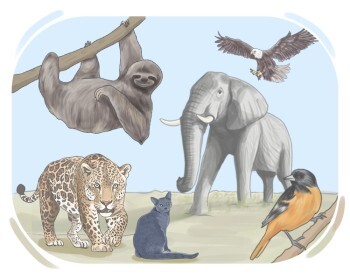
any living thing that is able to move on its own, such as an animal, fish, etc.

criatura, ser vivo
wild animals living freely in their natural environment, considered collectively
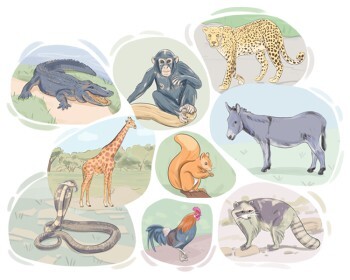
a group that animals, plants, etc. of the same type which are capable of producing healthy offspring with each other are divided into
espécie, espécies
A borboleta-monarca é uma espécie de borboleta que migra milhares de milhas a cada ano.
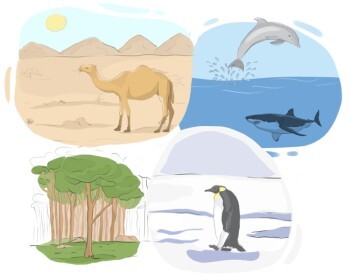
the natural environment in which a particular animal, plant, or other organism normally lives or grows
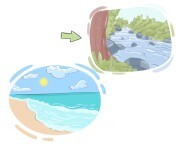
living in or taken from water that does not contain salt
de água doce, dulciaquícola

living in or taken from water that contains salt or seawater
de água salgada, marinho
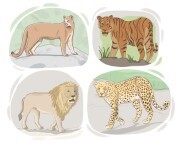
an animal, especially one that is large, wild, dangerous, or unusual
besta, fera
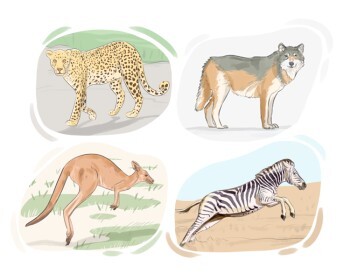
a warm-blooded vertebrate animal whose females produce milk to feed their young and that typically has hair or fur
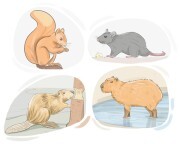
any small mammal with a pair of strong front teeth, such as mice, hamsters, rats, etc.
roedor, roedor
Os roedores, embora não sejam comumente considerados como tal, os porcos-espinhos são classificados na família dos roedores e são conhecidos por seus espinhos usados como mecanismos de defesa.
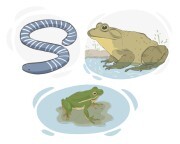
any cold-blooded animal with the ability to live both on land and in water, such as toads, frogs, etc.
anfíbio, batráquio
Alguns anfíbios, como o sapo-de-unhas-africano, são comumente mantidos como animais de estimação em aquários domésticos.
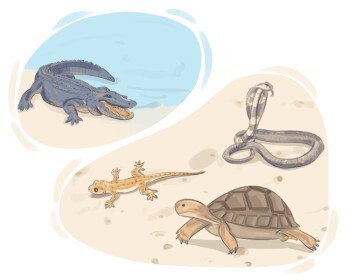
a class of animals to which crocodiles, lizards, etc. belong, characterized by having cold blood and scaly skin
réptil, animal de sangue frio
Os répteis são de sangue frio e dependem de fontes de calor externas para regular sua temperatura corporal.
describing an animal that its body temperature changes depending on the temperature of its surroundings
de sangue frio, poiquilotérmico
Dependendo de ambientes úmidos, as salamandras, criaturas de sangue frio, mantêm sua temperatura corporal.
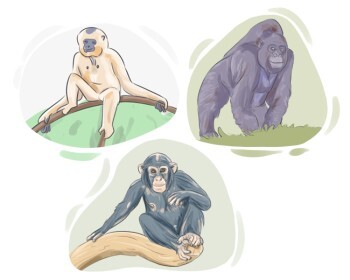
any mammalian animal that belongs to the same group as humans, such as monkeys, apes, lemurs, etc.
primate, macaco
a tailless animal similar to a monkey, such as chimpanzees and gorillas
macaco, grande macaco
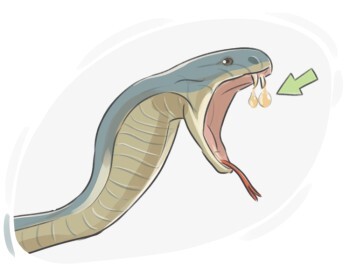
a toxic substance produced and secreted by certain animals, typically used for defense or hunting
veneno, toxina
O veneno dos escorpiões pode ser fatal em pequenas doses.
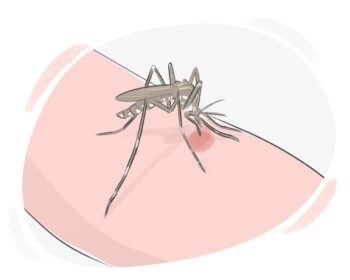
(of an animal or insect) to pierce the skin of another animal or a human, typically injecting poison, either in self-defense or while preying
picar, morder

to blend in with the surroundings to avoid being seen or detected
camuflar-se, misturar-se
Os pássaros frequentemente camuflam seus ninhos para proteger seus ovos.
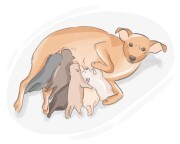
(of an animal) to have sex and give birth to young
reproduzir-se, procriar
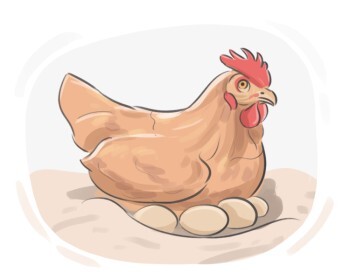
(of a bird, insect, fish, etc.) to produce eggs
botar, depositar

an animal's partner for reproduction
parceiro, companheiro
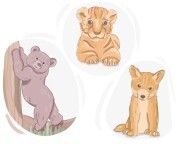
a young carnivorous mammal, such as a bear, lion, fox, etc.
filhote, cria
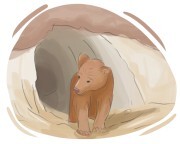
the hidden place where a wild predatory animal lives
toca, covil
Os coelhos escavam tocas no solo para criar covis aconchegantes onde podem se esconder de predadores e criar seus filhotes.
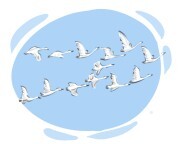
a group of birds that live, feed, or move together
bando, revoada
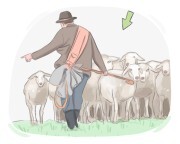
a group of animals, such as cows, sheep, etc. that are from the same species, which move and feed together
rebanho, manada
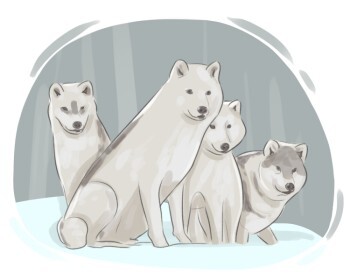
a group of animals of the same type hunting or living together, particularly wolves
matilha, alcateia
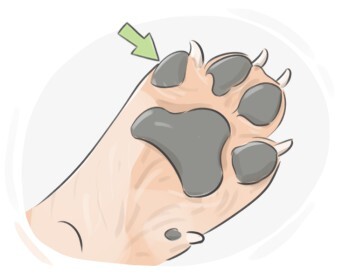
an animal's foot that typically has a combination of nails, claws, fur, and pads
pata, garra
A raposa colocou cuidadosamente sua pata ferida no chão enquanto mancava pela floresta.
a sharp and curved nail on the toe of an animal or a bird
garra, unha
As poderosas garras do tigre o tornavam um excelente caçador.
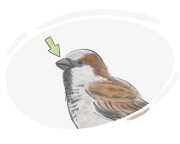
the hard or pointed part of a bird's mouth
bico, bico de pássaro
O bico do pelicano é longo e pode conter uma quantidade surpreendente de água.
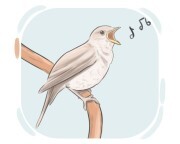
the sound that a bird or an animal usually makes
chamada, canto
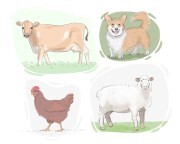
to change wild animals or plants for human use or cultivation
domesticar, amansar
Alguns cientistas estão explorando a possibilidade de domesticar certas plantas selvagens para a produção de alimentos no futuro.
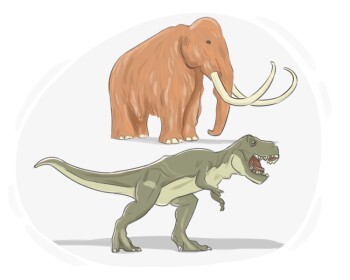
(of an animal, plant, etc.) not having any living members, either due to natural causes, environmental changes, or human activity
extinto, desaparecido
Os esforços de conservação visam proteger espécies ameaçadas de extinção e impedir que elas se tornem extintas.
(of fish, birds, or other animals) to move to different geographic areas according to seasons in order to breed, find food, or escape harsh environmental conditions
migrar
Os elefantes africanos migram em busca de água e comida.
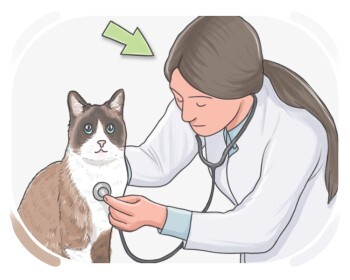
a doctor who is trained to treat animals
veterinário, médico veterinário
Ele buscou treinamento avançado em medicina de animais exóticos para se tornar veterinário de zoológico.
