pattern

本 Headway - 上級 - ユニット3

ここでは、Headway Advancedコースブックのユニット3からの語彙を見つけることができます。例えば、「苦労する」、「裕福な」、「乗り越える」などです。

review-disable

レビュー

flashcard-disable

フラッシュカード

spelling-disable

綴り

quiz-disable

クイズ

学習を開始
Headway - Advanced
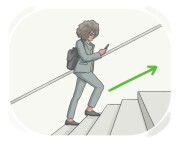
to move up
[動詞]

to move to a higher place

上がる, 登る

上がる, 登る

Ex: She decided to move up to the next floor to get a better view.彼女はより良い景色を見るために次の階へ**上がる**ことに決めた。
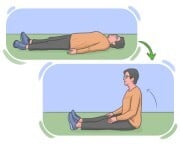
to sit up
[動詞]

to change one's position from a lying position into an upright one

座る, 起き上がる

座る, 起き上がる

Ex: The yoga instructor instructed the class to slowly sit up after the relaxation pose .ヨガのインストラクターは、リラクゼーションのポーズの後にゆっくりと**起き上がる**ようにクラスに指示しました。
to curl up
[動詞]

to position one's body like a ball with one's arms and legs placed close to one's body while sitting

丸くなる, 身を縮める

丸くなる, 身を縮める

Ex: The dog curled up in its favorite spot , seeking solace after a tiring day of play .犬は遊び疲れた一日の後、慰めを求めてお気に入りの場所で**丸くなった**。

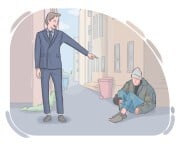
to regard someone or something as inferior or unworthy of respect or consideration

見下す, 軽蔑する

見下す, 軽蔑する

Ex: The arrogant aristocrat looked down on the common people .傲慢な貴族は庶民を**見下していた**.
to lie down
[動詞]

to put one's body in a flat position in order to sleep or rest

横になる, 休む

横になる, 休む

Ex: The doctor advised him to lie down if he felt dizzy .医者は、めまいを感じたら**横になる**ように彼に助言した。
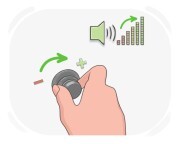
to turn up
[動詞]

to turn a switch on a device so that it makes more sound, heat, etc.

上げる, 大きくする

上げる, 大きくする

Ex: The soup was n't heating up fast enough , so she turned up the stove .スープが十分に早く温まらなかったので、彼女はコンロを**強くした**。
to save up
[動詞]

to set money or resources aside for future use

貯金する, 蓄える

貯金する, 蓄える

Ex: She saved her allowance up to buy a new bike.彼女は新しい自転車を買うために小遣いを**貯めた**。
to speed up
[動詞]

to become faster

速くなる, 急ぐ

速くなる, 急ぐ

Ex: The heartbeat monitor indicated that the patient 's heart rate began to speed up, requiring medical attention .心拍モニターは、患者の心拍数が**速くなり**始めたことを示し、医療的対応が必要でした。

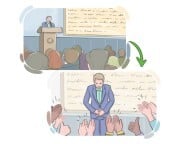
to become silent or less noisy

静かになる, 黙る

静かになる, 黙る

Ex: The noisy construction site finally quieted down in the evening .騒がしかった建設現場は夕方についに**静かになった**。
to cut down
[動詞]

to reduce the amount, size, or number of something

削減する, 減らす

削減する, 減らす

Ex: The company has cut down production to meet environmental goals .会社は環境目標を達成するために生産を**削減**しました。
to slow down
[動詞]

to move with a lower speed or rate of movement

速度を落とす, 減速する

速度を落とす, 減速する

Ex: The train started to slow down as it reached the station .電車は駅に近づくと**速度を落とし**始めた。
to trade
[動詞]

to buy and sell or exchange items of value

取引する, 交換する

取引する, 交換する

Ex: The company has recently traded shares on the stock market .その会社は最近、株式市場で株を**取引**しました。
to dress up
[動詞]

to wear formal clothes for a special occasion or event

正装する, 盛装する

正装する, 盛装する

Ex: Attending the wedding , guests were expected to dress up in semi-formal attire .結婚式に出席する際、ゲストはセミフォーマルな服装で**着飾る**ことが期待されていました。
to dumb down
[動詞]

to simplify or reduce the intellectual content of something in order to make it more accessible or appealing to a wider audience

過度に簡素化する, よりアクセスしやすくする

過度に簡素化する, よりアクセスしやすくする

Ex: The complex jargon in the manual was dumbed down to help customers troubleshoot issues on their own.マニュアルの複雑な専門用語は、顧客が自分で問題を解決できるように**簡略化されました**。

to dress in a more casual or informal manner than usual, often for a specific occasion or to conform to a dress code

カジュアルに着る, 普段着を着る

カジュアルに着る, 普段着を着る

Ex: She has dressed down for the past few weeks due to the summer heat .夏の暑さのため、彼女はここ数週間**カジュアルな服装をしています**。
to set up
[動詞]

to establish a fresh entity, such as a company, system, or organization

設立する, 創設する

設立する, 創設する

Ex: After months of planning and coordination , the entrepreneurs finally set up their own software development company in the heart of the city .数か月の計画と調整の末、起業家たちはついに都市の中心に自分たちのソフトウェア開発会社を**設立しました**。
to fire up
[動詞]

to make someone excited, enthusiastic, or motivated, often for a particular purpose or activity

盛り上げる, やる気を起こさせる

盛り上げる, やる気を起こさせる

Ex: She always knows how to fire up the team with her positive attitude .彼女はいつも前向きな態度でチームを**盛り上げる**方法を知っています。
to boot up
[動詞]

to start a computer or other electronic device and load its operating system into memory for use

起動する, ブートする

起動する, ブートする

Ex: She booted her laptop up and began working on the report.彼女はノートパソコンを**起動し**、レポートの作業を始めました。

to willingly step back from a position or authority, and allow someone else to take over

退く, 地位を譲る

退く, 地位を譲る

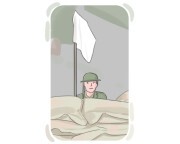
Ex: Realizing the need for change , the business owner decided to stand down and hand over day-to-day operations to a new manager .変化の必要性を認識し、事業主は**辞任する**ことを決め、日常業務を新しいマネージャーに引き継ぐことにしました。

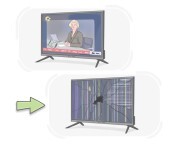
(of a machine or vehicle) to stop working as a result of a malfunction

故障する, 壊れる

故障する, 壊れる

Ex: The lawnmower broke down in the middle of mowing the lawn .芝刈り機は芝生を刈っている最中に**故障した**。
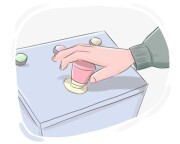
to shut down
[動詞]

to make something stop working

シャットダウンする, 閉じる

シャットダウンする, 閉じる

Ex: The IT department will shut down the servers for maintenance tonight .IT部門は今夜メンテナンスのためサーバーを**シャットダウン**します。
to wind up
[動詞]

to bring something to a conclusion or resolution, often in a way that was unexpected or unplanned

終える, 締めくくる

終える, 締めくくる

Ex: She wound up the project ahead of schedule, much to everyone's surprise.彼女は予定より早くプロジェクトを**終了させ**、皆を驚かせた。
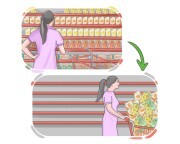
to buy up
[動詞]

to buy the whole supply of something such as tickets, stocks, goods, etc.

買い占める, 全部買い上げる

買い占める, 全部買い上げる

Ex: The store decided to buy up the seasonal items before they ran out .店は季節商品が売り切れる前に**買い占める**ことを決めた。
to use up
[動詞]

to entirely consume a resource, leaving none remaining

使い切る, 完全に消費する

使い切る, 完全に消費する

Ex: The team used up their allocated budget for the project .チームはプロジェクトに割り当てられた予算を**使い切った**。
to pin down
[動詞]

to clarify a particular detail or aspect after precise investigation

特定する, 明らかにする

特定する, 明らかにする

Ex: The flavor of this dish is unique and difficult to pin down.この料理の味は独特で、**正確に定義する**のは難しい。

to find a place to live and embrace a more stable and routine way of life

落ち着く, 定住する

落ち着く, 定住する

Ex: She plans to settle down in the countryside after retiring .彼女は退職後、田舎に**落ち着く**ことを計画しています。
to live down
[動詞]

to move past a negative reputation, embarrassing situation, or mistake by demonstrating better behavior over time

償う, 乗り越える

償う, 乗り越える

Ex: The individual sought to live down their criminal record by pursuing a life of law-abiding citizenship .その個人は、法律を遵守する市民生活を追求することで、自分の犯罪歴を**乗り越え**ようとした。
to grow up
[動詞]

to change from being a child into an adult little by little

成長する,  大人になる

成長する, 大人になる

Ex: When I grow up, I want to be a musician.私が**大人になったら**、音楽家になりたいです。
to wake up
[動詞]

to no longer be asleep

起きる, 目を覚ます

起きる, 目を覚ます

Ex: We should wake up early to catch the sunrise at the beach .私たちはビーチで日の出を見るために早く**起きる**べきです。
to run down
[動詞]

to use up all of one's energy, especially to the point of stopping or ceasing to function

消耗させる, 疲れ果てさせる

消耗させる, 疲れ果てさせる

Ex: He is running down his energy after working nonstop for days .彼は何日も休まずに働いた後、エネルギーを**使い果たしています**。
to speak up
[動詞]

to express thoughts freely and confidently

意見を述べる, はっきり言う

意見を述べる, はっきり言う

Ex: It 's crucial to speak up for what you believe in .自分が信じるもののために**声を上げる**ことは非常に重要です。

to make a space or environment become brighter and less gloomy, by adding more light sources or using lighter colors and materials

明るくする, 照らす

明るくする, 照らす

Ex: Lightening up the living room with brighter paint and new lighting fixtures made it feel more inviting and comfortable .より明るい塗料と新しい照明器具でリビングルームを**明るくする**ことで、より居心地が良く快適に感じられました。
to calm down
[動詞]

to become less angry, upset, or worried

落ち着く, 冷静になる

落ち着く, 冷静になる

Ex: The baby finally calmed down after being rocked to sleep .赤ちゃんは眠るように揺らされた後、ついに**落ち着いた**。
to give up
[動詞]

to stop trying when faced with failures or difficulties

諦める, 降参する

諦める, 降参する

Ex: Do n’t give up now ; you ’re almost there .今**諦め**ないで; もう少しで着きます。
to let down
[動詞]

to lower something that was previously raised or suspended

下ろす, 降ろす

下ろす, 降ろす

Ex: The balloonist let down the anchor rope , securing the hot air balloon to the ground .気球乗りはアンカーロープを**下ろし**、熱気球を地面に固定しました。
well-off
[形容詞]

having enough money to cover one's expenses and maintain a desirable lifestyle

裕福な, 経済的に余裕がある

裕福な, 経済的に余裕がある

Ex: They invested wisely and became well-off in their retirement years .彼らは賢明に投資し、退職後の年に**裕福**になりました。
depression
[名詞]

a time of little economic activity and high unemployment, which lasts for a long time

不況, 経済危機

不況, 経済危機

Ex: The global economy entered a deep depression following the financial crisis of 2008 .世界経済は2008年の金融危機の後、深刻な**不況**に陥りました。
extravagant
[形容詞]

costing a lot of money, more than the necessary or affordable amount

贅沢な, 豪華な

贅沢な, 豪華な

Ex: The CEO 's extravagant spending habits raised eyebrows among shareholders and employees alike .CEOの**贅沢な**支出習慣は、株主と従業員の両方の間で眉をひそめさせた。
affluent
[形容詞]

possessing a great amount of riches and material goods

裕福な, 豊かな

裕福な, 豊かな

Ex: The affluent couple donated generously to local charities and cultural institutions .**裕福な**カップルは地元の慈善団体や文化施設に寛大に寄付しました。
to man up
[動詞]

to show courage and strength in a difficult situation

勇気を示す, 強くある

勇気を示す, 強くある

Ex: I know this is tough , but you have to man up and get through it .これは大変だとは思うが、君は**勇気を出して**乗り越えなければならない。
spoiled
[形容詞]

(of a person) displaying a childish behavior due to being treated very well or having been given everything they desired in the past

甘やかされた, わがままな

甘やかされた, わがままな

Ex: It's important for parents to set boundaries to prevent their children from becoming spoiled and entitled.子供が**甘やかされた**わがままにならないように、親が境界線を設定することが重要です。
to play up
[動詞]

to make something seem more important or noticeable by highlighting it

強調する, 目立たせる

強調する, 目立たせる

Ex: To make the story more engaging , the author played up the main character 's internal conflict .物語をより魅力的にするために、作者は主人公の内的葛藤を**強調した**。
rich
[形容詞]

owning a great amount of money or things that cost a lot

裕福な, 金持ちの

裕福な, 金持ちの

Ex: The rich philanthropist sponsored scholarships for underprivileged students .その**裕福な**慈善家は、恵まれない学生のための奨学金を後援しました。
hardship
[名詞]

the condition or state of experiencing severe difficulty or suffering

困難, 苦難

困難, 苦難

Ex: Despite the hardship, they managed to stay positive and hopeful for the future .**困難**にもかかわらず、彼らは前向きで将来への希望を持ち続けることができた。
prosperous
[形容詞]

rich and financially successful

繁栄している, 裕福な

繁栄している, 裕福な

Ex: The merchant led a prosperous life .その商人は**繁栄した**生活を送った。
modest
[形容詞]

not boasting about one's abilities, achievements, or belongings

謙虚な

謙虚な

Ex: He gave a modest reply when asked about his success .彼は成功について尋ねられたとき、**控えめな**返事をした。
budget
[名詞]

the sum of money that is available to a person, an organization, etc. for a particular purpose and the plan according to which it will be spent

予算, 財政計画

予算, 財政計画

Ex: He set a weekly budget for groceries .
careful
[形容詞]

exercising caution and thoughtfulness in financial decisions to avoid wasteful or unnecessary expenses

注意深い, 倹約な

注意深い, 倹約な

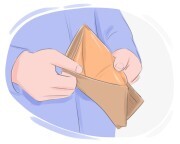
to experience a period of financial or personal difficulty
Ex: After losing his job, he fell on hard times and had to move back in with his parents.

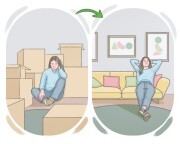
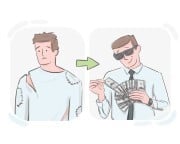
used to refer to the action of rising from the depth of poverty to the highest of riches

Ex: With her talents and opportunities, she has the potential to go from rags to riches in the future.

to accumulate a large amount of wealth or money through one's own efforts, often through business ventures or investments

Ex: The entrepreneur's innovative startup idea helped him make a fortune.

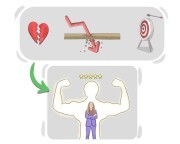
to experience difficulties or challenges in life, often over a prolonged period of time

Ex: Single parents sometimes have it rough, balancing work and raising children alone.
本 Headway - 上級
LanGeek
LanGeekアプリをダウンロード