

pattern

SAT 語彙スキル 5 - レッスン 42

復習

フラッシュカード

綴り

クイズ

学習を開始
SAT Word Skills 5
nepotism
nepotism
[名詞]

favoritism shown to relatives, especially in granting jobs, promotions, or other advantages

縁故主義

縁故主義

Ex: The manager consistently promoted her daughter over more qualified candidates, demonstrating clear nepotism within the organization. 

マネージャーはより資格のある候補者よりも一貫して娘を昇進させ、組織内で明らかな縁故主義を示しました。

realism
realism
[名詞]

a literary or artistic style that gives a lifelike representation of people, events, and objects

リアリズム,自然主義

リアリズム,自然主義

Ex: The novel's realism is striking, with its vivid descriptions of urban life and the complexities of human relationships. 

小説のリアリズムは、都市生活と人間関係の複雑さの鮮やかな描写で印象的です。

aphorism
aphorism
[名詞]

a concise, memorable statement that expresses a general truth, principle, or observation, often witty or philosophical

警句,格言

警句,格言

Ex: "Time is money" is an aphorism that captures modern urgency. 

「時は金なり」は現代の緊急性を捉えた警句です。

pessimism
pessimism
[名詞]

the negative quality of having doubts about the future and expect the worst possible outcomes

悲観主義

悲観主義

Ex: His pessimism about the project affected the team's morale. 

プロジェクトに対する彼の悲観論はチームの士気に影響を与えた。

mannerism
mannerism
[名詞]

a distinctive style, behavior, or way of doing things that is characteristic of a particular individual, group, or period

マンネリズム,特徴

マンネリズム,特徴

Ex: The artist's mannerism was evident in the exaggerated proportions and elongated figures present in many of his paintings. 

その芸術家のマンネリズムは、彼の多くの絵画に見られる誇張されたプロポーションと細長い人物にはっきりと表れていた。

truism
truism
[名詞]

a self-evident truth or axiomatic statement that does not worth mentioning, used as a literary device

自明の理,明白な真実

自明の理,明白な真実

Americanism
Americanism
[名詞]

the ideology, customs, values, and cultural traits that are considered characteristic of the United States or its citizens

アメリカニズム,アメリカのイデオロギー

アメリカニズム,アメリカのイデオロギー

Ex: The celebration of Independence Day on July 4th is a quintessential example of Americanism, commemorating the country's founding principles and values. 

7月4日の独立記念日の祝賀は、国の創設原則と価値を記念する、アメリカニズムの典型的な例です。

altruism
altruism
[名詞]

the selfless concern for the well-being of others, often demonstrated through acts of kindness, compassion, and generosity

利他主義,無私

利他主義,無私

Ex: Donating money to charity to support those in need without expecting anything in return is an example of altruism. 

見返りを期待せずに慈善団体にお金を寄付し、困っている人々を支援することは、利他主義の一例です。

plagiarism
plagiarism
[名詞]

the act of using someone else's work or ideas without giving them proper credit or permission

盗作,剽窃

盗作,剽窃

Ex: The student was expelled for plagiarism. 

その学生は盗作のために退学させられました。

ventriloquist

an entertainer who can manipulate their voice in a way that makes it seem like it is coming from a puppet or dummy

腹話術師,ベントリロキスト

腹話術師,ベントリロキスト

Ex: The ventriloquist entertained the audience by making his puppet tell jokes and interact with the crowd. 

腹話術師は、人形にジョークを言わせ、観客と交流させることで観客を楽しませた。

zeitgeist
zeitgeist
[名詞]

the defining spirit or mood of a particular period in history, reflecting the ideas and beliefs of the time

時代精神,時代の空気

時代精神,時代の空気

Ex: The 1960s was a decade defined by the zeitgeist of social change and cultural revolution, with movements for civil rights, feminism, and anti-war activism shaping the era. 

1960年代は、社会的変化と文化革命のzeitgeistによって定義された10年で、公民権運動、フェミニズム、反戦活動が時代を形作りました。

fatalist
fatalist
[名詞]

someone who believes that all events are predetermined and inevitable, often accepting them passively without attempting to change or influence outcomes

運命論者,決定論者

運命論者,決定論者

Ex: Despite the doctor's recommendations for a healthier lifestyle, the fatalist believes that their fate is already sealed, so they continue their unhealthy habits. 

医師のより健康的な生活を送るための勧告にもかかわらず、宿命論者は彼らの運命はすでに決まっていると信じているので、彼らは不健康な習慣を続けています。

lobbyist
lobbyist
[名詞]

someone who attempts to persuade politicians to agree or disagree with a law being made or changed

ロビイスト,圧力団体の代理人

ロビイスト,圧力団体の代理人

masochist
masochist
[名詞]

someone who derives pleasure or gratification from experiencing pain, humiliation, or suffering, either inflicted by oneself or by others

マゾヒスト,痛みから快楽を得る人

マゾヒスト,痛みから快楽を得る人

Ex: Despite the discomfort, the masochist enjoys receiving a whipping during intimate encounters. 

不快感にもかかわらず、マゾヒストは親密な出会いの際に鞭打たれることを楽しむ。

numismatist
numismatist
[名詞]

someone who collects, studies, or deals with coins, currency, and related items, often as a hobby or profession

貨幣収集家,コイン収集家

貨幣収集家,コイン収集家

Ex: The numismatist spent years assembling a comprehensive collection of rare coins from around the world. 

貨幣収集家は、世界中の希少なコインを網羅したコレクションを組み立てるのに何年も費やしました。
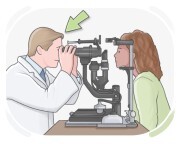
oculist
oculist
[名詞]

a healthcare professional specializing in the diagnosis and treatment of eye disorders

眼科医,眼科学者

眼科医,眼科学者

Ex: The oculist conducted a thorough examination of the patient's eyes to assess their vision and identify any potential issues. 

眼科医は、患者の視力を評価し、潜在的な問題を特定するために、患者の目を徹底的に検査しました。

euthanasia
euthanasia
[名詞]

the intentional act of ending a person's life painlessly and without their consent, typically to relieve suffering from a terminal illness or irreversible condition

安楽死,優しい死

安楽死,優しい死

Ex: In some countries, there is ongoing debate about legalizing euthanasia for terminally ill patients who wish to end their suffering. 

いくつかの国では、苦痛を終わらせたい末期患者のための安楽死の合法化についての議論が続いています。

hernia
hernia
[名詞]

a condition in which part of an organ squeezes through an opening in the muscle or tissue that holds it in place

ヘルニア

ヘルニア

hysteria
hysteria
[名詞]

great excitement, anger, or fear that makes someone unable to control their emotions, and as a result, they start laughing, crying, etc.

ヒステリー,集団ヒステリー

ヒステリー,集団ヒステリー

Ex: The announcement caused mass hysteria among the crowd. 

その発表は群衆の間に大規模なヒステリーを引き起こした。

mania
mania
[名詞]

mental condition that causes extreme and unusual changes in one's energy level, mood, or emotions

躁病

躁病

LanGeek
LanGeekアプリをダウンロード