


SAT Word Skills 5 - Lesson 42

review-disable

review

flashcard-disable

flashcard

spelling-disable

spelling

quiz-disable

quiz

start-learning
SAT Word Skills 5
nepotism [noun]

favoritism shown to relatives, especially in granting jobs, promotions, or other advantages

Ex: The coach showed nepotism by favoring his son on the team , often giving him preferential treatment over other players .
realism [noun]

a literary or artistic style that gives a lifelike representation of people, events, and objects

Ex: Gustave Courbet was a pioneer of realism in art , challenging the conventions of his time by painting scenes of common people and their struggles .
aphorism [noun]

a concise, memorable statement that expresses a general truth, principle, or observation, often witty or philosophical

Ex: He delivered his advice in sharp aphorisms .

the negative quality of having doubts about the future and expect the worst possible outcomes

Ex: His pessimism made it hard for him to enjoy good news .

a distinctive style, behavior, or way of doing things that is characteristic of a particular individual, group, or period

Ex: The poet 's use of unconventional punctuation and capitalization was a mannerism that defined his avant-garde writing style .
truism [noun]

a self-evident truth or axiomatic statement that does not worth mentioning, used as a literary device

the ideology, customs, values, and cultural traits that are considered characteristic of the United States or its citizens

Ex: Baseball , often referred to as " America 's pastime , " is a sport deeply ingrained in Americanism , reflecting cultural values of teamwork , competition , and perseverance .
altruism [noun]

the selfless concern for the well-being of others, often demonstrated through acts of kindness, compassion, and generosity

Ex: Giving up one 's seat on public transportation for someone who needs it more , such as an elderly person or pregnant woman , is an act of altruism .

the act of using someone else's work or ideas without giving them proper credit or permission

Ex: His article was rejected due to plagiarism .

an entertainer who can manipulate their voice in a way that makes it seem like it is coming from a puppet or dummy

Ex: The children laughed with delight as the ventriloquist made his puppet " speak " in funny voices .

the defining spirit or mood of a particular period in history, reflecting the ideas and beliefs of the time

Ex: The Roaring Twenties in the United States captured the zeitgeist of prosperity and excess , with the rise of consumer culture , jazz music , and the flapper lifestyle .
fatalist [noun]

someone who believes that all events are predetermined and inevitable, often accepting them passively without attempting to change or influence outcomes

Ex: When faced with adversity , the fatalist resigns themselves to their circumstances , believing that nothing they do will change the outcome .
lobbyist [noun]

someone who attempts to persuade politicians to agree or disagree with a law being made or changed

someone who derives pleasure or gratification from experiencing pain, humiliation, or suffering, either inflicted by oneself or by others

Ex: When criticized , the masochist may feel a sense of satisfaction , as they enjoy the emotional pain of humiliation .

someone who collects, studies, or deals with coins, currency, and related items, often as a hobby or profession
Ex: The local museum hired a numismatist to catalog and authenticate their extensive coin collection .
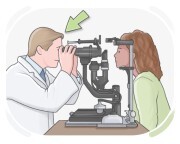
oculist [noun]

a healthcare professional specializing in the diagnosis and treatment of eye disorders

Ex:

the intentional act of ending a person's life painlessly and without their consent, typically to relieve suffering from a terminal illness or irreversible condition

Ex: Medical professionals may discuss euthanasia as an option for patients with advanced illnesses who are in extreme pain and have no chance of recovery .
hernia [noun]

a condition in which part of an organ squeezes through an opening in the muscle or tissue that holds it in place

hysteria [noun]

great excitement, anger, or fear that makes someone unable to control their emotions, and as a result, they start laughing, crying, etc.

Ex: His speech induced hysteria among his supporters .
mania [noun]

mental condition that causes extreme and unusual changes in one's energy level, mood, or emotions