
pattern

IELTS Academicの語彙 (スコア8-9) - 犯罪

ここでは、アカデミックIELTS試験に必要な犯罪に関連するいくつかの英単語を学びます。

レビュー

フラッシュカード

語形

綴り

クイズ

学習を開始
Vocabulary for Academic IELTS (8)
insurrection
insurrection
[名詞]

a violent uprising or rebellion against authority, government, or established order

反乱, 暴動

反乱, 暴動

Ex: The history books recount the insurrection led by revolutionaries seeking independence from colonial rule. 

歴史の本は、植民地支配からの独立を求める革命家たちが率いた反乱について語っています。

misdemeanor
misdemeanor
[名詞]

an action that is considered wrong or unacceptable yet not very serious

軽犯罪, 不法行為

軽犯罪, 不法行為

Ex: She was charged with a misdemeanor for trespassing on private property. 

彼女は私有地への不法侵入で軽犯罪で起訴されました。

to counterfeit

to make a false copy of something with the intent to deceive

偽造する, 模造する

偽造する, 模造する

Ex: They tried to counterfeit the company's logo on fake products. 

彼らは偽の製品に会社のロゴを偽造しようとしました。

witness tampering

the act of unlawfully influencing or intimidating a witness in a legal case

証人干渉, 証人改ざん

証人干渉, 証人改ざん

Ex: The defendant was charged with witness tampering after attempting to intimidate a key witness into changing their testimony. 

被告人は、重要な証人に証言を変えるよう脅迫した後、証人干渉で起訴されました。

cold case
cold case
[名詞]

a criminal investigation that has remained unsolved for a significant period and lacks recent investigative leads

未解決事件, コールドケース

未解決事件, コールドケース

Ex: The detective was assigned to the cold case unit, focusing on unsolved crimes that had gone inactive for years. 

その探偵はコールドケースユニットに配属され、何年も活動していない未解決の犯罪に焦点を当てました。

vigilante
vigilante
[名詞]

an individual or group of individuals who take the law into their own hands, acting outside the legal system to enforce their version of justice or address perceived wrongs

自警団員, 自警主義者

自警団員, 自警主義者

Ex: In the absence of effective law enforcement, some residents formed a vigilante group to combat rising crime in their neighborhood. 

効果的な法執行がないため、一部の住民は地域で増加する犯罪に対抗するために自警団を結成しました。

forgery
forgery
[名詞]

the criminal act of making a copy of a document, money, etc. to do something illegal

偽造

偽造

Ex: The suspect was charged with forgery after he tried to cash in a fake check. 

容疑者は偽の小切手を現金化しようとした後、偽造の罪で起訴されました。

alibi
alibi
[名詞]

proof that indicates a person was somewhere other than the place where a crime took place and therefore could not have committed it

アリバイ

アリバイ

Ex: The suspect's alibi placed him at a restaurant with friends at the time of the crime. 

容疑者のアリバイは、犯罪の時に彼を友人とレストランにいたと位置づけていた。

felony
felony
[名詞]

a serious crime such as arson, murder, rape, etc.

重罪, フェロニー

重罪, フェロニー

Ex: Tax evasion is a felony offense that can lead to substantial fines and imprisonment if convicted. 

脱税は、有罪判決を受けた場合、多額の罰金と懲役につながる可能性のある重罪です。

tort
tort
[名詞]

a civil wrong causing harm, not a crime

不法行為, 民事上の過失

不法行為, 民事上の過失

Ex: The injured party filed a lawsuit, alleging the tort of negligence after a car accident. 

負傷した当事者は、自動車事故後に過失の不法行為を主張して訴訟を起こした。

to trespass
to trespass
[動詞]

to enter someone's land or building without permission

侵入する, 無断で入る

侵入する, 無断で入る

Ex: Despite the warning signs, he chose to trespass onto the private property, ignoring the owner's rights. 

警告サインにもかかわらず、彼は私有地に侵入することを選び、所有者の権利を無視しました。

embezzlement
embezzlement
[名詞]

the act of stealing funds that are placed in one's trust and belong to one's employer

横領, 着服

横領, 着服

Ex: The accountant was found guilty of embezzlement after diverting company funds into personal accounts for several years. 

その会計士は、数年間にわたって会社の資金を個人の口座に流用した後、横領の罪で有罪判決を受けました。

battery
battery
[名詞]

the unlawful intentional use of harmful or offensive physical contact against another person

暴行

暴行

Ex: The defendant was charged with battery after striking another man. 
extortion
extortion
[名詞]

the criminal act of obtaining money, property, or services from someone through coercion, threats, or intimidation

恐喝, 強要

恐喝, 強要

Ex: The gang was arrested for extortion after threatening local shopkeepers. 

ギャングは地元の店主を脅迫した後、恐喝の容疑で逮捕されました。

delinquency
delinquency
[名詞]

a minor crime or misdeed, especially of a young person

非行, 少年非行

非行, 少年非行

Ex: Juvenile delinquency refers to illegal or antisocial behavior by minors, often leading to intervention by the juvenile justice system. 

少年非行とは、未成年者による違法または反社会的な行動を指し、しばしば少年司法制度の介入を招く。

recidivism
recidivism
[名詞]

the tendency of a person who has been convicted of a criminal offense to reoffend, leading to their re-arrest, reconviction, or return to criminal behavior

再犯

再犯

Ex: The high rate of recidivism among certain offenders prompted a reevaluation of rehabilitation strategies. 

特定の犯罪者における高い再犯率が、更生戦略の再評価を促した。

thug
thug
[名詞]

a violent and criminal gang or an individual who engages in brutal and aggressive behavior

暴漢, ギャング

暴漢, ギャング

Ex: The neighborhood experienced increased crime rates due to the presence of thug gangs engaging in illicit activities. 

不法行為に従事する暴徒ギャングの存在により、地域の犯罪率が上昇しました。

mobster
mobster
[名詞]

a member of a criminal organization, often involved in organized crime such as racketeering, extortion, and other illicit activities

マフィアの一員, ギャングスター

マフィアの一員, ギャングスター

Ex: The police conducted a raid on a known mobster's hideout, resulting in several arrests. 

警察は有名なマフィアのアジトを急襲し、数人の逮捕に至りました。

gangland
gangland
[名詞]

the environment or territory associated with criminal gangs, particularly those engaged in organized crime, violence, and illicit activities

犯罪組織の世界, ギャングの縄張り

犯罪組織の世界, ギャングの縄張り

Ex: Law enforcement increased patrols in the gangland areas to address rising crime rates. 

法執行機関は、犯罪率の上昇に対処するため、犯罪組織の縄張りでのパトロールを強化しました。
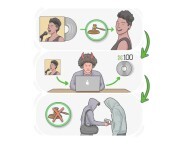
to loot
to loot
[動詞]

to illegally obtain or exploit copyrighted or patented material for personal gain

略奪する, 盗む

略奪する, 盗む

Ex: The company discovered that a competitor had looted their proprietary software code and was selling a similar product under a different name. 

同社は、競合他社が独自のソフトウェアコードを略奪し、別の名前で類似製品を販売していたことを発見しました。

libel
libel
[名詞]

a published false statement that damages a person's reputation

誹謗, 中傷

誹謗, 中傷

Ex: The celebrity sued the tabloid for libel after it published false and damaging statements about her personal life. 

有名人は、彼女の私生活について虚偽で有害な声明を掲載した後、タブロイド紙を誹謗中傷で訴えた。

to collude
to collude
[動詞]

‌to cooperate secretly or illegally for deceiving other people

共謀する, 結託する

共謀する, 結託する

Ex: The two companies were found to have colluded to inflate prices and eliminate competition in the market. 

2つの企業が価格をつり上げ、市場での競争を排除するために共謀していたことが判明した。
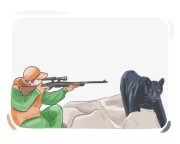
to poach
to poach
[動詞]

to illegally hunt, catch, or fish on another person's property or in prohibited areas

密猟する,違法に狩る

密猟する,違法に狩る

Ex: The authorities apprehended a group of individuals who were attempting to poach endangered species in the wildlife sanctuary. 

当局は、野生動物保護区で絶滅危惧種を密猟しようとしていたグループの個人を逮捕しました。

to pilfer
to pilfer
[動詞]

to steal small quantities or insignificant items

盗む, くすねる

盗む, くすねる

Ex: The cat burglar managed to pilfer jewelry from several upscale residences. 

猫泥棒は、いくつかの高級住宅から宝石を盗むことに成功した。

to appropriate

to take something for one's own use, especially illegally or without the owner's permission

横領する, 流用する

横領する, 流用する

Ex: He was accused of appropriating another artist's work. 
to con
to con
[動詞]

to deceive someone in order to deprive them of something, such as money, property, or information

騙す, 詐欺を働く

騙す, 詐欺を働く

Ex: The scammer conned elderly individuals into giving them their life savings by posing as a bank representative over the phone. 
to perjure
to perjure
[動詞]

to lie in a court of law after officially swearing to tell the truth

偽証する, 宣誓の上で嘘をつく

偽証する, 宣誓の上で嘘をつく

Ex: It is morally wrong to perjure oneself in court, as it undermines the pursuit of justice. 

法廷で偽証することは、正義の追求を損なうため、道徳的に間違っています。

to bootleg
to bootleg
[動詞]

to sell or distribute illicit products, such as drugs, alcohol, or counterfeit goods

偽造する, 違法に販売する

偽造する, 違法に販売する

Ex: He was arrested for bootlegging illegal substances. 

彼は違法物質の密輸で逮捕されました。

to swindle
to swindle
[動詞]

to use deceit in order to deprive someone of their money or other possessions

騙す, 詐欺をする

騙す, 詐欺をする

Ex: The con artist swindled unsuspecting investors out of millions of dollars by promising high returns on fake investments. 

詐欺師は偽の投資で高いリターンを約束することで、疑うことを知らない投資家から数百万ドルを騙し取りました。

to despoil
to despoil
[動詞]

to take valuables by force

略奪する, 強奪する

略奪する, 強奪する

Ex: The invading army despoiled the village of all its treasures. 

侵略軍は村のすべての宝物を略奪した。

to forge
to forge
[動詞]

to create a fake copy or imitation of something

偽造する, 模造する

偽造する, 模造する

Ex: He tried to forge the artist's signature on the painting to sell it at a higher price. 
to extort
to extort
[動詞]

to illegally obtain money, property, or services from someone through threat of harm or force

強要する, 力ずくで奪う

強要する, 力ずくで奪う

Ex: Mobsters were known to extort "protection money" from shop owners by threatening violence if they didn't pay up. 

マフィアは、支払わない場合には暴力を振るうと脅して店の所有者から「保護料」を強要することで知られていました。

to perpetrate

to commit a harmful, illegal, or immoral act, such as a crime or an offense

犯す, 行う

犯す, 行う

Ex: The media coverage highlighted the heinous acts perpetrated by the gang in the city. 

メディアの報道は、街でギャングによって行われた凶悪な行為を強調した。

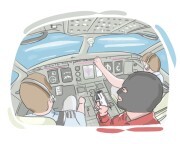
to hijack
to hijack
[動詞]

to forcefully take control of a vehicle, like an airplane, often to take hostages or change its course

ハイジャックする, 乗っ取る

ハイジャックする, 乗っ取る

Ex: Pirates tried to hijack the cargo ship, hoping to steal valuable goods for resale. 

海賊たちは貨物船をハイジャックしようとし、貴重な商品を盗んで転売することを望んでいました。

to carjack
to carjack
[動詞]

to forcibly steal a vehicle from its driver, often involving threats or violence

車を強奪する, 車を強引に盗む

車を強奪する, 車を強引に盗む

Ex: In a daring act of crime, the thieves attempted to carjack a luxury sedan at gunpoint in broad daylight. 

大胆な犯罪行為で、泥棒たちは昼間に銃を突きつけて高級セダンをハイジャックしようとしました。

to incriminate

to provide evidence or information that suggests a person's involvement in a crime or wrongdoing

罪に陥れる,  告発する

罪に陥れる, 告発する

Ex: The witness hesitated to testify, fearing that any statement might inadvertently incriminate them in the ongoing investigation. 

証人は、進行中の調査で何らかの発言が自分を意図せず罪に問うことになるのではないかと恐れて、証言をためらった。

LanGeek
LanGeekアプリをダウンロード