pattern

言語行動の動詞 - 情報提供と命名のための動詞

ここでは、「報告する」、「通知する」、「伝える」など、情報提供や命名に関連する英語の動詞をいくつか学びます。

レビュー

フラッシュカード

語形

綴り

クイズ

学習を開始
Categorized English Verbs of Verbal Action
to report
to report
[動詞]

to give a written or spoken description of an event to someone

報告する

報告する

Ex: Scientists will report their findings during the conference, sharing their research with the academic community. 
to impart
to impart
[動詞]

to make information, knowledge, or a skill known or understood

伝える, 教える

伝える, 教える

Ex: The professor imparts valuable insights during every class to enhance student understanding. 

教授は、学生の理解を深めるために、毎回の授業で貴重な洞察を伝えます。

to inform
to inform
[動詞]

to give information about someone or something, especially in an official manner

知らせる, 通知する

知らせる, 通知する

Ex: The sign in the park informs visitors about the rules and regulations for maintaining a clean environment. 
to brief
to brief
[動詞]

to give someone essential information or instructions about a particular subject or task

報告する, 指示を与える

報告する, 指示を与える

Ex: Before the meeting, the manager will brief the team on the agenda. 
to notify
to notify
[動詞]

to officially let someone know about something

通知する, 知らせる

通知する, 知らせる

Ex: The school will notify parents in advance of any changes to the academic calendar. 

学校は、学術カレンダーの変更について事前に保護者に通知します。

to convey
to convey
[動詞]

to make information known or pass it on to another person

Ex: Please convey the message to Daniel when he arrives. 
to apprise
to apprise
[動詞]

to notify someone about a situation, event, or information

通知する, 知らせる

通知する, 知らせる

Ex: She apprised the team of the project's status. 

彼女はプロジェクトの状況をチームに報告しました。

to clue in
to clue in
[動詞]

to provide someone with information and make them aware of something

知らせる, 情報を提供する

知らせる, 情報を提供する

Ex: The manager clued in the team about the unexpected changes to the project timeline. 

マネージャーはプロジェクトのタイムラインに予期せぬ変更があったことをチームに知らせた。

to advise
to advise
[動詞]

to formally provide someone with information

助言する, 通知する

助言する, 通知する

Ex: The financial advisor advised the client on investment strategies for long-term growth. 
to fill in
to fill in
[動詞]

to inform someone with facts or news

人に事情を知らせる, 必要な事実やニュースを人に伝える

人に事情を知らせる, 必要な事実やニュースを人に伝える

Ex: Can you fill in the team on the changes in the project timeline? 

プロジェクトのタイムラインの変更についてチームに伝えることができますか?

to relay
to relay
[動詞]

to pass on information or messages from one place or person to another

伝える, 中継する

伝える, 中継する

Ex: The receptionist relayed the important message to the manager as soon as it came in. 

受付係は、重要なメッセージが届くとすぐにマネージャーに中継しました。

to title
to title
[動詞]

to give a name to something, such as a book, movie, article, etc.

題名をつける, タイトルを付ける

題名をつける, タイトルを付ける

Ex: The editor suggested a more captivating way to title the article to attract a wider readership. 
to entitle
to entitle
[動詞]

to give a particular title or name to a book, film, work of art, or other work

題する,  名付ける

題する, 名付ける

Ex: Emma entitled her first novel The Long Road Home. 
to theme
to theme
[動詞]

to give a specific setting to an event, place, etc.

テーマを設定する, 特定のテーマを与える

テーマを設定する, 特定のテーマを与える

Ex: The cafe decided to theme its weekend brunch events with a vintage vibe, including retro music and decor. 
to term
to term
[動詞]

to describe something using a specific word or phrase

称する, 描写する

称する, 描写する

Ex: Linguists term this grammatical structure passive voice. 
to name
to name
[動詞]

to give a name to something or someone

名付ける, 命名する
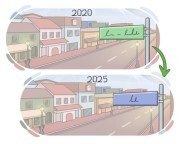
名付ける, 命名する

Ex: The archaeologist named the ancient civilization "Maya" based on the region where their ruins were discovered. 
to rename
to rename
[動詞]

to give a new name to someone or something

名前を変える, 改名する

名前を変える, 改名する

Ex: She decided to rename her cat from "Fluffy" to "Whiskers" after adopting him. 

彼女は猫を「Fluffy」から「Whiskers」に改名することを決めました、彼を採用した後。

to denominate

to give a name to something

名付ける, 称する

名付ける, 称する

Ex: To streamline communication, the project manager suggested to denominate each phase of the project for better organization. 

コミュニケーションを合理化するために、プロジェクトマネージャーはより良い組織化のためにプロジェクトの各段階を命名することを提案しました。

to name after

to give someone or something a name in honor or in memory of another person or thing

にちなんで名付ける, の名を取って命名する

にちなんで名付ける, の名を取って命名する

Ex: They decided to name their daughter after her grandmother. 

彼らは娘に祖母の名前を名付けることに決めた。

to call
to call
[動詞]

to give a name or title to someone or something

呼ぶ, 名付ける

呼ぶ, 名付ける

Ex: We decided to call our new puppy Max. 
to nickname
to nickname
[動詞]

to give someone or something a different name, often to show affection or emphasize a particular trait

あだ名をつける, ニックネームを付ける

あだ名をつける, ニックネームを付ける

Ex: The towering skyscraper, officially named "Metropolis Tower," was nicknamed "The Silver Needle" by locals due to its sleek design. 

公式には「メトロポリスタワー」と名付けられたその高層ビルは、その洗練されたデザインから地元の人々によって「銀の針」とあだ名されました。

to dub
to dub
[動詞]

to give someone or something a nickname, often to show affection or to highlight a specific trait

あだ名をつける, 呼ぶ

あだ名をつける, 呼ぶ

Ex: After showcasing his culinary skills on a popular TV show, the chef was dubbed "The Flavor Maestro" by fans and critics alike. 

人気テレビ番組で彼の料理の腕前を披露した後、そのシェフはファンや批評家から「ザ・フレーバー・マエストロ」と呼ばれました。

to style
to style
[動詞]

to give someone or something a specific name or term

名付ける, 呼ぶ

名付ける, 呼ぶ

Ex: The media often styled the charismatic politician as "The People's Advocate" due to his commitment to public welfare. 
LanGeek
LanGeekアプリをダウンロード