pattern

C2レベルの単語リスト - コミュニケーションと議論

ここでは、コミュニケーションとディスカッションについて話すためのすべての必須単語を学びます。特にC2レベルの学習者のために集められました。

レビュー

フラッシュカード

語形

綴り

クイズ

学習を開始
CEFR C2 Vocabulary
to confabulate

to have a casual and light conversation without sharing a lot of information

雑談する, おしゃべりする

雑談する, おしゃべりする

Ex: As they waited for the meeting to start, colleagues confabulated about their weekend plans. 

会議が始まるのを待っている間、同僚たちは週末の予定についておしゃべりしました。

to prattle
to prattle
[動詞]

to talk a lot about unimportant things and in a way that may seem foolish

ぺちゃくちゃしゃべる,  むだ話をする

ぺちゃくちゃしゃべる, むだ話をする

Ex: She prattled about the latest celebrity gossip without noticing the disinterest of her friends. 

彼女は友達の無関心に気づかず、最新の有名人のゴシップについてぺちゃくちゃしゃべった。
to parley
to parley
[動詞]

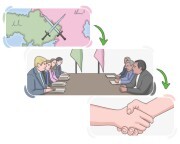
to discuss the terms of an agreement with an opposing side, usually an enemy

話し合う, 交渉する

話し合う, 交渉する

Ex: The opposing military generals agreed to parley in hopes of reaching a ceasefire agreement. 

対立する軍の将軍たちは、停戦合意に達することを期待して話し合うことに同意した。

to palaver
to palaver
[動詞]

to aimlessly talk a lot

だらだら話す, おしゃべりする

だらだら話す, おしゃべりする

Ex: Instead of getting straight to the point, he tends to palaver endlessly, causing meetings to drag on. 

要点に直接入る代わりに、彼は際限なくpalaverする傾向があり、会議が長引く原因となります。
to babble
to babble
[動詞]

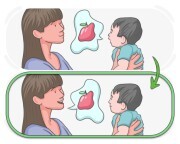
to make random, meaningless sounds

ぺちゃくちゃしゃべる, 意味のない音を立てる

ぺちゃくちゃしゃべる, 意味のない音を立てる

Ex: The baby babbled happily, creating a stream of adorable but unintelligible sounds. 

赤ちゃんは幸せそうに喃語を話し、愛らしいが理解できない音の流れを作り出した。

to prate
to prate
[動詞]

to talk at length in a foolish or inconsequential way

ぺちゃくちゃしゃべる, 無駄話をする

ぺちゃくちゃしゃべる, 無駄話をする

Ex: Despite being focused on the meeting agenda, he continued to prate about irrelevant personal anecdotes. 

会議の議題に集中しているにもかかわらず、彼は無関係な個人的な逸話についてべらべらしゃべり続けた。

to jaw
to jaw
[動詞]

to talk continuously in a tedious or annoying way

くだを巻く,  ぺちゃくちゃしゃべる

くだを巻く, ぺちゃくちゃしゃべる

Ex: He kept jawing about his new car throughout dinner. 
to natter
to natter
[動詞]

to have a casual conversation, often involving gossip

おしゃべりする, 世間話をする

おしゃべりする, 世間話をする

Ex: During their lunch break, the colleagues gathered in the break room to natter and catch up on the latest office buzz. 

昼休みに、同僚たちは休憩室に集まっておしゃべりし、オフィスの最新の噂をキャッチアップしました。

to blab
to blab
[動詞]

to talk excessively or thoughtlessly

ぺちゃくちゃしゃべる, だべる

ぺちゃくちゃしゃべる, だべる

Ex: During the meeting, the colleague continued to blab about unrelated topics, prolonging the discussion unnecessarily. 

会議中、同僚は関係のない話題についてべらべらしゃべり続け、不必要に議論を長引かせた。

to tattle
to tattle
[動詞]

to reveal someone's wrongdoing or misbehavior to others

告げ口する, 密告する

告げ口する, 密告する

Ex: In the office, a colleague couldn't resist tattling to the supervisor about a minor mistake made by a coworker. 

オフィスで、同僚は同僚が犯した小さなミスについて上司に告げ口するのを我慢できませんでした。

to yak
to yak
[動詞]

to talk persistently, often in a tedious or annoying manner

しゃべり続ける, ぺちゃくちゃしゃべる
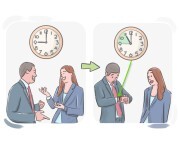
しゃべり続ける, ぺちゃくちゃしゃべる

Ex: The radio host yakked about celebrity gossip for the entire duration of the show, neglecting other relevant topics. 
to gab
to gab
[動詞]

to chat casually for an extended period, often in a lively manner

おしゃべりする, 雑談する

おしゃべりする, 雑談する

Ex: The colleagues often take a break during lunch to gab about work, sharing insights and discussing current projects. 

同僚は昼食時に休憩を取って、仕事についておしゃべりし、洞察を共有し、現在のプロジェクトについて議論することがよくあります。
to orate
to orate
[動詞]

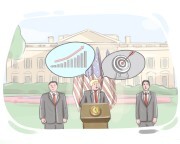
to speak formally and at length, especially in a public setting

演説する, 長々と正式に話す

演説する, 長々と正式に話す

Ex: The leader stepped forward to orate about the organization's goals and future plans. 

リーダーは、組織の目標と将来の計画について演説するために前に出た。

to spout
to spout
[動詞]

to speak or express opinions in a lengthy, fervent, or pompous manner

長々と話す, 熱弁をふるう

長々と話す, 熱弁をふるう

Ex: The passionate activist spouted about the importance of environmental conservation during the rally. 

情熱的な活動家は集会で環境保護の重要性についてまくし立てた。

to falter
to falter
[動詞]

to utter something hesitantly or with uncertainty

どもる, ためらう

どもる, ためらう

Ex: He faltered an apology when confronted about the mistake. 

彼は間違いについて問われたとき、謝罪をたどたどしく述べた。

to bawl
to bawl
[動詞]

to shout loudly and emotionally, often expressing distress, anger, or frustration

叫ぶ, 泣き叫ぶ

叫ぶ, 泣き叫ぶ

Ex: Frustrated by the unexpected setback, he couldn't help but bawl in anger. 

予期せぬ挫折にイライラして、彼は怒りで叫ばずにはいられなかった。

to scoff
to scoff
[動詞]

to mock with contempt

嘲笑する, あざ笑う

嘲笑する, あざ笑う

Ex: She scoffed at his excuse and walked away. 

彼女は彼の言い訳を嘲笑して立ち去った。

to banter
to banter
[動詞]

to engage in light, playful, and teasing conversation or exchange of remarks

冗談を言う, からかう

冗談を言う, からかう

Ex: Friends often banter about each other's quirks and habits, creating a lighthearted and enjoyable environment. 

友人たちはよくお互いの癖や習慣について冗談を言い合い、気軽で楽しい環境を作り出します。

to affront
to affront
[動詞]

to do or say something to purposely hurt or disrespect someone

侮辱する, 軽蔑する

侮辱する, 軽蔑する

Ex: Refusing the invitation seemed to affront the host, who had gone through great effort to organize the event. 

招待を断ることは、イベントを組織するために大きな努力をしたホストを侮辱するように見えた。

to gasconade
to gasconade
[動詞]

to loudly brag and exaggerate, trying to impress or intimidate others

自慢する, 誇示する

自慢する, 誇示する

Ex: In the meeting, he couldn't resist gasconading about his sales achievements, making his colleagues roll their eyes. 

会議で、彼は自分の販売実績について自慢せずにはいられず、同僚たちに白い目を向けさせた。

to crow
to crow
[動詞]

to express great pride in one's achievements, success, etc.

自慢する, 誇示する

自慢する, 誇示する

Ex: Having successfully completed the challenging project, the team leader had a right to crow about their accomplishments. 

困難なプロジェクトを無事に完了した後、チームリーダーはその成果について自慢する権利があった。
to rodomontade

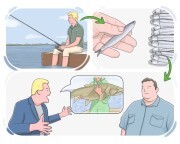
to brag and exaggerate loudly

自慢する, 大声で誇張して自慢する

自慢する, 大声で誇張して自慢する

Ex: In his stories, he tends to rodomontade about his achievements, making them sound more impressive than they are. 

彼の話では、彼は自分の業績について自慢する傾向があり、実際よりも印象的に聞こえるようにしています。
to hyperbolize

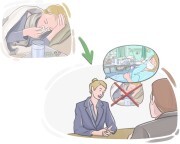
to exaggerate something for emphasis or to achieve a specific effect

誇張する, 大げさに言う

誇張する, 大げさに言う

Ex: Instead of providing an accurate account of the incident, he chose to hyperbolize the details, making the situation sound more dramatic than it was. 

事件の正確な説明を提供する代わりに、彼は詳細を誇張することを選び、状況を実際よりも劇的に聞こえさせた。
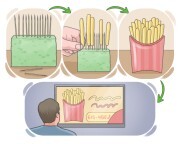
to play up
to play up
[動詞]

to make something seem more important or noticeable by highlighting it

強調する, より重要に見せる

強調する, より重要に見せる

Ex: She decided to play up her strengths during the interview. 

彼女は面接で自分の強みを強調することに決めた。

to cuss
to cuss
[動詞]

to express oneself using impolite language

ののしる, 悪態をつく

ののしる, 悪態をつく

Ex: The clumsy magician accidentally dropped his hat during the performance, prompting him to cuss playfully. 

不器用な魔法使いはパフォーマンス中に誤って帽子を落とし、遊び心で悪態をつくことになった。

vociferous
vociferous
[形容詞]

expressing feelings or opinions, loudly and forcefully

騒々しい, 激しい

騒々しい, 激しい

Ex: The opposition party voiced vociferous complaints about the new tax policy during the legislative session. 

野党は立法セッション中に新しい税政策について声高な不満を表明した。

to opine
to opine
[動詞]

to express one's opinion

意見を述べる, 所見を表明する

意見を述べる, 所見を表明する

Ex: During the debate, each participant was given a chance to opine on the proposed policy changes. 

討論中、各参加者は提案された政策変更について意見を述べる機会を与えられました。

to proffer
to proffer
[動詞]

‌to offer an explanation, advice, or one's opinion on something

提供する,  提案する

提供する, 提案する

Ex: Despite his reservations, John proffered his opinion on the matter, hoping to contribute to the discussion. 

彼の保留にもかかわらず、ジョンは議論に貢献したいと思い、その問題についての意見を提出しました。
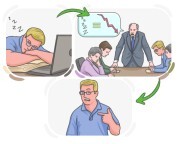
to insinuate
to insinuate
[動詞]

to suggest something in an indirect manner

ほのめかす, 暗示する

ほのめかす, 暗示する

Ex: During the discussion, she insinuated that her colleague was taking credit for her ideas without directly accusing him. 

議論の最中、彼女は同僚が自分のアイデアの功績を直接非難せずに取っているとほのめかした。

to postulate
to postulate
[動詞]

to suggest or assume the existence or truth of something as a basis for reasoning, discussion, or belief

仮定する,  想定する

仮定する, 想定する

Ex: Philosophers often postulate hypothetical scenarios to explore the limits of moral reasoning. 

哲学者はしばしば道徳的推論の限界を探るために仮説的なシナリオを仮定します。

to stipulate
to stipulate
[動詞]

to specify that something needs to be done or how it should be done, especially as part of an agreement

規定する, 明記する

規定する, 明記する

Ex: The contract stipulates that the payment must be made within 30 days of the invoice date. 

契約書では、請求書の日付から30日以内に支払いが行われなければならないと規定しています。

dog whistle
dog whistle
[名詞]

a coded message intended to be understood by a particular group while remaining unnoticed or ambiguous to others

隠れたメッセージ, 暗示メッセージ

隠れたメッセージ, 暗示メッセージ

Ex: That phrase is a dog whistle. 

そのフレーズは隠れたメッセージだ。

LanGeek
LanGeekアプリをダウンロード