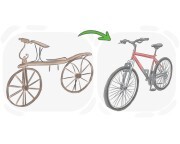
pattern

Cambridge IELTS 19 - Academic - テスト1 - リスニング - パート3 (1)

Cambridge IELTS 19 Academic, Test 1 Listening Part 3の最初の部分から、このセクションの役立つ単語や表現を使って語彙を学びましょう。

レビュー

フラッシュカード

語形

綴り

クイズ
学習を開始
Cambridge IELTS 19 - Academic
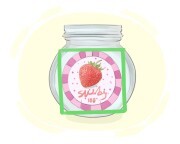
sensor
sensor
[名詞]

a machine or device that detects any changes in the environment and sends the information to other electronic devices

センサー, 検出器
センサー, 検出器

Ex: The temperature sensor measures the heat in the environment to adjust the heating system. 
label
label
[名詞]

a marker attached to an object that gives extra information about it

ラベル, タグ
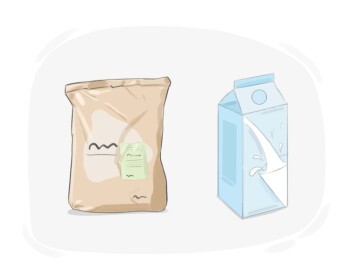
ラベル, タグ

Ex: The label on the medicine bottle warned about potential side effects. 
package
package
[名詞]

a collection of items that are wrapped or boxed together for easy handling, transport, or sale

パッケージ

パッケージ

Ex: The gift package included a variety of snacks and chocolates. 
bump
bump
[名詞]

a raised area or small swelling on a surface

こぶ, 隆起

こぶ, 隆起

Ex: I noticed a small bump on the tire, so I took it to the mechanic. 
to [go] bad

to no longer be good for use or consumption

Ex: Perishable items like meat and dairy can go bad if not refrigerated. 
to start off
to start off
[動詞]

to begin with a particular role, quality, or condition before possibly changing over time

として始める, としてスタートする

として始める, としてスタートする

Ex: She started off as a beginner, but now she is an expert. 

彼女は初心者として始まったが、今では専門家だ。

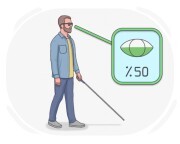
visually impaired

experiencing partial or complete loss of vision
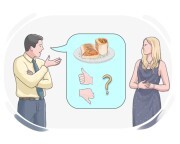
Ex: She uses magnifying devices to help with reading because she is visually impaired. 
whether
whether
[接続詞]

used to talk about a doubt or choice when facing two options

かどうか

かどうか

Ex: He's trying to figure out whether he should study abroad or stay in his home country. 

彼は、留学すべきか母国に残るべきかどうかを理解しようとしています。

fit
fit
[形容詞]

suitable for a purpose or situation

適した, ふさわしい
適した, ふさわしい

Ex: The box is not fit for holding heavy items. 
solid
solid
[形容詞]

firm and stable in form, not like a gas or liquid

固体の, 堅い

固体の, 堅い

Ex: The chef used solid blocks of chocolate to create decadent desserts for the restaurant's menu. 
to come back
to come back
[動詞]

to return to a subject, idea, or topic after briefly moving away from it

戻る, 帰る

戻る, 帰る

Ex: We can come back to this point after we address other concerns. 

他の懸念に対処した後、この点に戻ることができます。

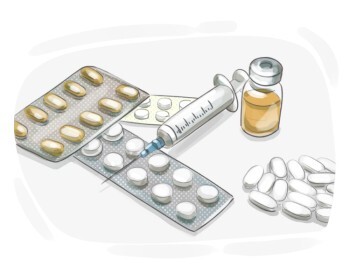
drug
drug
[名詞]

any substance that is used for medicinal purposes

薬,  医薬品

薬, 医薬品

Ex: Drugs prescribed by doctors play a crucial role in treating various medical conditions, from antibiotics for infections to painkillers for managing discomfort. 
storage
storage
[名詞]

the act or process of keeping something in a particular place until it is needed

保管,  貯蔵

保管, 貯蔵

Ex: The chemicals require careful storage at low temperatures. 
pharmacy
pharmacy
[名詞]

a shop where medicines are sold

薬局, ドラッグストア

薬局, ドラッグストア

Ex: She went to the pharmacy to pick up her prescription and consult the pharmacist about dosage. 

彼女は処方箋を受け取り、薬剤師に投与量について相談するために薬局に行きました。

besides
besides
[副詞]

in addition to a person or thing that is being mentioned

さらに, その上

さらに, その上

Ex: She brought cookies, and juice besides. 

彼女はクッキーを持ってきて、ジュースさらに.

freshness
freshness
[名詞]

the quality or condition of being new, recently made, harvested, or experienced

新鮮さ, 新しさ

新鮮さ, 新しさ

Ex: The chef emphasized the importance of using locally sourced ingredients to preserve the freshness of the dishes. 

シェフは、料理の新鮮さを保つために地元の食材を使用することの重要性を強調しました。
joint
joint
[名詞]

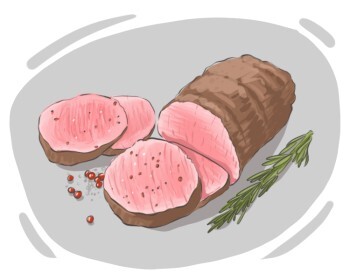
a large cut of meat from the area where two or more bones meet, typically including a part of the bone

関節, 骨付き肉

関節, 骨付き肉

Ex: The butcher recommended a shoulder joint for slow roasting, as it tends to be tender and flavorful. 
possibility
possibility
[名詞]

something that one can choose or do among many other things

選択肢, 代替案
選択肢, 代替案

Ex: Exploring different possibilities can help individuals discover new opportunities and perspectives. 
article
article
[名詞]

a piece of writing about a particular subject on a website, in a newspaper, magazine, or other publication

記事, 文章

記事, 文章

Ex: The newspaper published an article about the local community event. 
trend
trend
[名詞]

a tendency or pattern showing how things are changing or developing over time

傾向, トレンド

傾向, トレンド

Ex: Educational trends are shifting towards online learning. 
eating habit
eating habit
[名詞]

the regular way or pattern in which someone eats, including the types of food and the times they eat

食習慣, 食事のパターン

食習慣, 食事のパターン

Ex: Eating habits often change during stressful times. 

ストレスの多い時期には、食習慣が変わることよくあります。

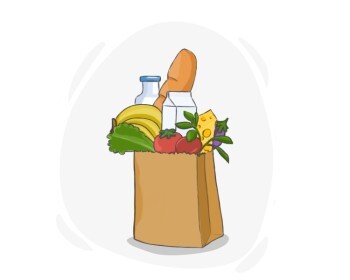
focus
focus
[名詞]

the main subject or area of interest and attention in a particular situation or activity

焦点, 関心の的
焦点, 関心の的

Ex: She brought the focus back to the main topic. 
product
product
[名詞]

something that is created or grown for sale

製品, 商品

製品, 商品

Ex: Consumers are increasingly demanding eco-friendly products. 
vegan
vegan
[形容詞]

not containing or involving any animal products

ビーガン, 植物性の

ビーガン, 植物性の

Ex: The cake is vegan, made without eggs or milk. 

そのケーキはビーガンで、卵や牛乳を使わずに作られています。

alternative
alternative
[名詞]

any of the available possibilities that one can choose from

代替案,  選択肢

代替案, 選択肢

Ex: The company is exploring alternatives to traditional marketing strategies. 
animal product

any item made from animals, such as meat, dairy, eggs, or materials like wool and leather

動物性製品, 動物由来製品

動物性製品, 動物由来製品

Ex: Milk is a common animal product used in many recipes. 

牛乳は多くのレシピで使われる一般的な動物性製品です。

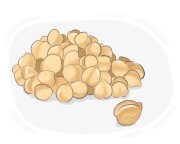
chickpea
chickpea
[名詞]

a round yellowish seed that resembles a pea, used in cooking

ひよこ豆, ガルバンゾ

ひよこ豆, ガルバンゾ

Ex: You can make a satisfying chickpea curry by simmering the legumes with aromatic spices and creamy coconut milk. 

香り高いスパイスとクリーミーなココナッツミルクで豆を煮込むことで、満足のいくひよこ豆カレーを作ることができます。
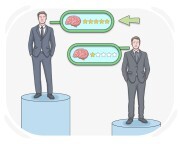
advantage
advantage
[名詞]

a condition that causes a person or thing to be more successful compared to others

利点

利点

Ex: The new software update offers several advantages, including improved security and faster performance. 
right
right
[間投詞]

used to confirm understanding, agreement, or to request acknowledgment of something previously stated

そうだね, でしょ

そうだね, でしょ

Ex: You told her about the change, right? 
waste
waste
[形容詞]

discarded or no longer needed after a process is completed

廃棄物, ごみ

廃棄物, ごみ

Ex: They recycle waste paper to reduce environmental impact. 
quite
quite
[副詞]

to a degree that is significant but not extreme

かなり, 非常に

かなり, 非常に

Ex: He found the exam to be quite challenging, but he felt prepared after studying thoroughly. 

彼は試験がかなり挑戦的だと感じたが、しっかり勉強した後で準備ができていると感じた。
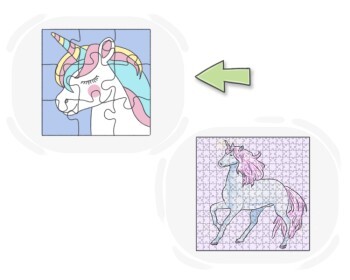
straightforward
straightforward
[形容詞]

easy to comprehend or perform without any difficulties

簡単, 直接的な

簡単, 直接的な

Ex: His explanation of the problem was straightforward, making it easy for everyone to understand. 

彼の問題の説明は分かりやすく、誰もが理解しやすかった。

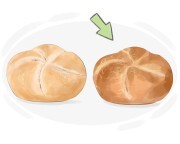
stale
stale
[形容詞]

(of food, particularly cake and bread) not fresh anymore, due to exposure to air or prolonged storage

古い, 新鮮でない

古い, 新鮮でない

Ex: The bread became stale after sitting out on the counter for several days. 

数日間カウンターに置いた後、パンは古くなりました。

to break down

to turn a substance into smaller components through chemical reactions

分解する, 崩壊させる

分解する, 崩壊させる

Ex: Bacteria in the compost pile break down organic waste into compost. 

堆肥の山の中のバクテリアは有機廃棄物を堆肥に分解します。

paste
paste
[名詞]

any soft and thick mixture that can be spread or shaped

ペースト, 練り物

ペースト, 練り物

Ex: The face mask was a green paste that dried after a few minutes. 

そのフェイスマスクは緑色のペーストで、数分後に乾きました。

to reform
to reform
[動詞]

to change something in order to make it better

改革する, 改善する

改革する, 改善する

Ex: Social activists work to reform policies to address inequality and injustice. 
3D printing
3D printing
[名詞]

the process of making three-dimensional objects by adding material layer by layer based on a digital design

3Dプリンティング, 積層造形

3Dプリンティング, 積層造形

Ex: 3D printing is used to create prototypes in many industries. 

3Dプリントは、多くの産業でプロトタイプを作成するために使用されます。

to play around

to experiment with different methods, options, or solutions to see what works best

試す, いじる

試す, いじる

Ex: We need to play around with the settings to get the best sound quality. 

最高の音質を得るには設定をいじってみる必要があります。

pattern
pattern
[名詞]

a typically repeating arrangement of shapes, colors, etc., regularly done as a design on a surface

模様
模様

Ex: The wallpaper had a beautiful floral pattern that added elegance to the room. 
appetizing
appetizing
[形容詞]

(of food) looking or smelling appealing and tasty, often making one eager to eat it

食欲をそそる, おいしそうな

食欲をそそる, おいしそうな

Ex: The appetizing aroma of garlic and herbs wafted from the kitchen. 

キッチンからニンニクとハーブの食欲をそそる香りが漂ってきた。

pleased
pleased
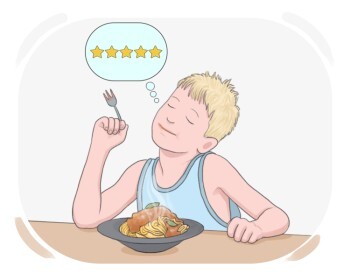
[形容詞]

feeling happy and satisfied with something that has happened or with someone's actions

喜んで, 満足して

喜んで, 満足して

Ex: She seemed pleased about the surprise party. 

彼女はサプライズパーティーに満足しているようだった。

to manage
to manage
[動詞]

to do something difficult successfully

成し遂げる, 管理する

成し遂げる, 管理する

Ex: He tried to speak, but managed only a few broken words. 
otherwise
otherwise
[副詞]

used to refer to the outcome of a situation if the circumstances were different

そうでなければ, さもないと

そうでなければ, さもないと

Ex: You should pack your umbrella, otherwise you might get wet in the rain. 
sample
sample
[名詞]

a small portion of a product or item, such as food or goods, given to a potential customer to try before making a purchase

サンプル

サンプル

Ex: The company offers a sample pack of their snacks for new customers. 
to come across

to discover, meet, or find someone or something by accident

偶然見つける, 偶然出会う

偶然見つける, 偶然出会う

Ex: While cleaning out the attic, I came across an old box of photographs from my childhood. 

屋根裏を掃除していると、子供の頃の古い写真の箱に出くわしました。

to interest
to interest
[動詞]

to find something attractive enough to want to know about it more or keep doing it

興味を持つ, 引きつける

興味を持つ, 引きつける

Ex: The fascinating documentary interested viewers in learning more about the topic. 
touch-sensitive
touch-sensitive
[形容詞]

responding or reacting to physical touch

タッチに反応する, タッチ式

タッチに反応する, タッチ式

Ex: The phone screen is touch-sensitive, allowing for easy navigation. 

電話の画面はタッチセンシティブで、簡単なナビゲーションが可能です。

LanGeek
LanGeekアプリをダウンロード