
pattern

同意と反対 - 相互合意

ここでは、「commit」、「echo」、「go along」などの相互合意に関連するいくつかの英単語を学びます。

レビュー

フラッシュカード

語形

綴り

クイズ

学習を開始
Words Related to Agreement and Disagreement
to cement
to cement
[動詞]

to make something such as an agreement, relationship, etc. stronger

固める, 強化する

固める, 強化する

Ex: The successful completion of the project helped to cement our partnership with the client. 

プロジェクトの成功裡の完了は、クライアントとのパートナーシップを強化するのに役立ちました。

check
check
[間投詞]

used to express agreement or to say that something has been dealt with

オーケー, 完了
オーケー, 完了

Ex: Check, I've got everything I need for the trip. 
to [come] to terms with {sb}

to reach a mutual understanding, agreement, or resolution with someone

Ex: The warring factions in the conflict struggled to come to terms with each other to achieve lasting peace. 
to commit
to commit
[動詞]

to be dedicated to a person, cause, policy, etc.

専念する, 献身する
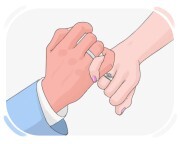
専念する, 献身する

Ex: The activists committed themselves to advocating for social justice and equality. 
commitment
commitment
[名詞]

the state of being dedicated to someone or something

コミットメント, 献身

コミットメント, 献身

Ex: The organization demonstrated its commitment to environmental sustainability by reducing its carbon footprint. 
compact
compact
[名詞]

a formal agreement between two or more people, organizations, or countries

協定,  契約

協定, 契約

Ex: The two states entered into a compact to share water resources. 
to conclude
to conclude
[動詞]

to formally reach an agreement on something

締結する, 完了する

締結する, 完了する

Ex: The terms of the agreement were concluded in a formal ceremony. 
concord
concord
[名詞]

agreement and peace between people or a group of countries

調和, 一致

調和, 一致

Ex: The treaty aimed to establish concord between the two neighboring nations. 

この条約は、隣接する二国間の調和を確立することを目的としていました。

concordant
concordant
[形容詞]

following an agreement

一致した, 合致した

一致した, 合致した

Ex: The revisions to the plan were made to remain concordant with the original objectives. 

計画の修正は、当初の目的と一致するように行われました。

concordat
concordat
[名詞]

a formal agreement, particularly one between a certain country and the Roman Catholic Church

政教条約, 協定

政教条約, 協定

Ex: The country signed a concordat with the Vatican to regulate church-state relations. 

その国は教会と国家の関係を規制するためにバチカンと政教条約を結んだ。

to concur
to concur
[動詞]

to express agreement with a particular opinion, statement, action, etc.

同意する, 一致する

同意する, 一致する

Ex: It's reassuring when experts from various fields concur on such critical matters, providing a unified recommendation. 

様々な分野の専門家がこのような重要な問題について一致し、統一された推奨を提供することは安心です。

concurrence
concurrence
[名詞]

the state of being in agreement

一致,  合意

一致, 合意

Ex: The committee members all concurred on the need for stricter safety regulations. 

委員会のメンバー全員が、より厳しい安全規制の必要性について一致した。

condition
condition
[名詞]

a rule or term that must be met to reach an agreement or make something possible

条件, 条項

条件, 条項

Ex: The scholarship was awarded with the condition that the recipient maintains a minimum GPA. 
to confirm
to confirm
[動詞]

to make something such as an arrangement, position, etc. more definite

確認する, 承認する

確認する, 承認する

Ex: I need to confirm the details of the appointment with the doctor. 
consensual
consensual
[形容詞]

agreed to by the people involved

合意の上での, 相互合意による

合意の上での, 相互合意による

consensus
consensus
[名詞]

general agreement among the members of a group

合意

合意

Ex: After a long discussion, the committee finally reached a consensus. 
to consent
to consent
[動詞]

to give someone permission to do something or to agree to do it

同意する, 許可を与える

同意する, 許可を与える

Ex: With a nod, he consented to her request for a raise. 
consent
consent
[名詞]

permission or approval given for something to happen or be done

同意, 承諾

同意, 承諾

Ex: Without consent, the project could not proceed due to legal and ethical considerations. 
contract
contract
[名詞]

an official agreement between two or more sides that states what each of them has to do

契約

契約

Ex: The contract between the landlord and tenant specifies the rent and lease duration. 
to contract
to contract
[動詞]

to enter or make an official arrangement with someone

契約する, 契約を結ぶ

契約する, 契約を結ぶ

Ex: The city government contracted with a waste management company to handle garbage collection and disposal services. 
contractual
contractual
[形容詞]

related to agreements or arrangements that are legally binding between parties

契約上の, 契約的な

契約上の, 契約的な

Ex: The contractual terms outline the obligations and rights of each party. 

契約上の条件は、各当事者の義務と権利を概説しています。

contractually

in a way that is stated or agreed in a contract

契約上

契約上

Ex: The employees are obligated contractually to adhere to the confidentiality clause. 

従業員は機密保持条項を遵守するよう契約上義務付けられています。

convention
convention
[名詞]

a formal agreement between countries

条約, 協定

条約, 協定

Ex: The playwright adhered to the convention of using a prologue to introduce the story. 
cool
cool
[形容詞]

expressing approval or permission

クール, いいよ

クール, いいよ

Ex: It's cool if you want to invite more friends to the gathering. 
to countenance

to agree and not oppose to something that one generally finds unacceptable or unpleasant

容認する, 承認する

容認する, 承認する

Ex: Despite his personal reservations, he decided to countenance the new policy to maintain harmony within the team. 

個人的な懸念にもかかわらず、彼はチーム内の調和を保つために新しい方針を容認することに決めた。

covenant
covenant
[名詞]

a formal promise or agreement, especially one involving regular payments

特約,  契約条項

特約, 契約条項

Ex: The lease contains a covenant requiring the tenant to maintain the property. 
to covenant
to covenant
[動詞]

to formally or legally promise to do or provide something, especially to make regular payments

誓約する,  約束する

誓約する, 約束する

Ex: The company covenanted to maintain the building in good condition. 
deal
deal
[名詞]

an agreement between two or more parties, typically involving the exchange of goods, services, or property

取引, 契約

取引, 契約

Ex: The two companies signed a lucrative deal to collaborate on a new product line. 
to echo
to echo
[動詞]

to repeat opinions or statements of another person, particularly to show support or agreement

反響させる, 繰り返す

反響させる, 繰り返す

Ex: The reporter's questions echoed the sentiments of the public, pressing the official for clear answers. 
echo
echo
[名詞]

a repeated utterance of what someone has just said

反響, 繰り返し

反響, 繰り返し

Ex: He answered with a faint echo of her greeting. 
exactly
exactly
[副詞]

used to indicate that something is completely accurate or correct

正確に, まさに

正確に, まさに

Ex: The answer to the math problem was exactly 42. 

数学の問題の答えは正確に42でした。

to fall in with

to agree to something, such as an idea, suggestion, etc.

考えや提案に同意する, 他人の意見を受け入れる

考えや提案に同意する, 他人の意見を受け入れる

Ex: Sarah decided to fall in with her friend's proposal to start a book club. 

サラは友人の提案に同意し、読書クラブを始めることに決めました。

fine print
fine print
[名詞]

detailed conditions or restrictions in an agreement that are easy to overlook

細字, 小さな文字

細字, 小さな文字

Ex: Always read the fine print before signing a contract. 
fist bump
fist bump
[名詞]

a way of greeting, celebrating, or showing agreement by slightly hitting someone's fist with one's own

フィストバンプ, 拳バンプ

フィストバンプ, 拳バンプ

to fist-bump
to fist-bump
[動詞]

to slightly hit someone's fist with one's own as an act of celebration, greeting, or agreement

フィストバンプする, 拳を合わせる

フィストバンプする, 拳を合わせる

flat
flat
[形容詞]

complete or definite

絶対的な, 断固とした

絶対的な, 断固とした

Ex: His request was met with a flat refusal. 
gentleman's agreement

an agreement that is based on the mutual trust of the parties, which is of no legal value

紳士協定, 信頼だけの取り決め

紳士協定, 信頼だけの取り決め

Ex: We only had a gentleman's agreement, so nothing was legally binding. 

私たちの間には紳士協定があっただけなので、法的な拘束力は何もなかった。

to [give] {sb/sth} the nod

to approve someone or something

to go along
to go along
[動詞]

to express agreement or to show cooperation

人の意見や提案に同意して協力する, 人の計画や希望に合わせる

人の意見や提案に同意して協力する, 人の計画や希望に合わせる

Ex: He was always willing to go along with his friend's suggestions for their weekend activities. 

彼は週末の活動について、友人の提案に常に同意する意思がありました。

to go with
to go with
[動詞]

to accept an offer, plan, etc.

受け入れる, 選ぶ

受け入れる, 選ぶ

Ex: I think we should go with the original plan for the event. 

イベントには当初の計画を採用すべきだと思います。

to [go|swim] with the tide

to act or think in the same way as the majority of people in a society

時流に乗る, 多数派に合わせる

時流に乗る, 多数派に合わせる

Ex: He didn't really agree, but he went with the tide to avoid trouble. 

彼は本当は賛成していなかったが、面倒を避けるため時流に合わせた。

great minds think alike

used to suggest that intelligent or creative individuals often come up with similar ideas or solutions, especially when faced with a particular problem or challenge

Ex: When we presented our ideas to the boss, he was impressed that our solutions were so similar - I guess great minds think alike. 
LanGeek
LanGeekアプリをダウンロード