
pattern

同意と反対 - 統一と調和

ここでは、「ポジティブ」、「かなり」、「批准する」など、統一と調和に関連するいくつかの英語の単語を学びます。

レビュー

フラッシュカード

語形

綴り

クイズ

学習を開始
Words Related to Agreement and Disagreement
pact
pact
[名詞]

a formal agreement between parties, particularly to help one another

協定, 契約

協定, 契約

Ex: The leaders shook hands, sealing their pact to work together for the betterment of the community. 
party
party
[名詞]

one of the sides in a legal agreement or dispute

当事者, 関係当事者

当事者, 関係当事者

Ex: The court heard arguments from both parties. 
to patch up
to patch up
[動詞]

to put an end to an argument with someone in order to make peace with them

仲直りする, 修復する

仲直りする, 修復する

Ex: They had a huge fight but managed to patch up before the day ended. 

彼らは大喧嘩をしたが、その日の終わりまでに仲直りすることができた。

peace offering

an offering made to become friends with someone after upsetting them

平和の申し出, 和解のジェスチャー

平和の申し出, 和解のジェスチャー

point taken
point taken
[間投詞]

used to show that one has accepted that someone else's argument or opinion is valid

ポイント了解, 理解しました

ポイント了解, 理解しました

Ex: Point taken, I'll strive for clarity and brevity in my writing. 

ポイント了解、私は自分の文章において明確さと簡潔さを心がけます。

positive
positive
[形容詞]

displaying approval, support, or agreement

肯定的な, 支持的な

肯定的な, 支持的な

Ex: They took a positive stance on the proposed changes. 
positively
positively
[副詞]

in a way that shows a good or optimistic attitude, expressing approval, joy, or support

肯定的に、好意的に

肯定的に、好意的に

Ex: She responded positively to the news of her promotion, expressing joy and gratitude. 

彼女は昇進の知らせに肯定的に反応し、喜びと感謝の意を表した。

to [pour] oil on troubled waters

to calm a tense situation with gentle or diplomatic action

場をなだめる, 緊張を和らげる

場をなだめる, 緊張を和らげる

Ex: The teacher poured oil on troubled waters by listening to both students calmly. 
precisely
precisely
[副詞]

used to express complete agreement

まさに, 正確に

まさに, 正確に

Ex: "That's exactly how I feel!"  "Precisely!" 

« まさにその通りだ! » « まさに ! »

prenuptial agreement

a legal contract made by a couple before marriage that outlines property and financial arrangements

婚前契約, 婚前合意書

婚前契約, 婚前合意書

Ex: They signed a prenuptial agreement before the wedding. 

彼らは結婚式の前に婚前契約に署名しました。

protocol
protocol
[名詞]

a formal written record or agreement, especially one made between governments

議定書,  協定

議定書, 協定

Ex: Representatives from both countries signed the protocol after months of negotiations. 
proviso
proviso
[名詞]

a condition that needs accepting before making an agreement

条件, 条項

条件, 条項

Ex: The merger will proceed, but there's a proviso that all current employees retain their positions for at least a year. 

合併は進むが、現在の従業員全員が少なくとも1年間は現在の地位を維持するという条件がある。
to put aside
to put aside
[動詞]

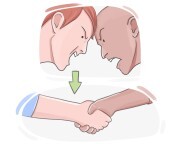
to forget a feeling, disagreement, or dispute

脇に置く, 忘れる

脇に置く, 忘れる

Ex: After years of rivalry, the two competitors decided to put aside their differences and collaborate. 

長年のライバル関係の後、二人の競争者は違いを脇に置き、協力することを決めた。

quite
quite
[間投詞]

used to express emphasis or strong agreement

全く!, その通り!

全く!, その通り!

Ex: Quite!  That was an incredible performance. 

まったく!それは信じられないほどのパフォーマンスでした。

ratification
ratification
[名詞]

the act of validating an agreement by signing it or voting for it

批准, 承認

批准, 承認

Ex: The treaty's ratification was completed after several months of negotiations. 

数か月の交渉の後、条約の批准が完了しました。

to ratify
to ratify
[動詞]

to formally approve a decision, action, etc., typically through an official process or legal means

批准する, 正式に承認する

批准する, 正式に承認する

Ex: The members of the parliament convened to ratify the newly proposed constitution for the country. 

国会の議員たちは、国のために新たに提案された憲法を批准するために集まった。

to realign
to realign
[動詞]

to change one's opinions, beliefs, etc. to be like those of another person or group

再調整する, 合わせる

再調整する, 合わせる

Ex: After the meeting, she decided to realign her business strategy with the new company goals. 

会議の後、彼女は自分のビジネス戦略を会社の新しい目標に再調整することを決めました。

realignment
realignment
[名詞]

the action of changing one's opinions, beliefs, etc. to be like those of another person or group

再調整, 調整

再調整, 調整

reconcilable
reconcilable
[形容詞]

(of disagreements or differences) able to be settled

和解可能な

和解可能な

to reconcile
to reconcile
[動詞]

to make a person become friendly again with another after ending a disagreement or dispute

和解させる, 仲直りさせる

和解させる, 仲直りさせる

Ex: The diplomat’s efforts helped reconcile the conflicting parties. 

外交官の努力は、対立する当事者を和解させるのに役立ちました。

reconciliation

the act of becoming friendly with someone once more after ending a disagreement

和解

和解

resolution
resolution
[名詞]

the act of solving a problem, dispute, or difficulty

解決, 解消

解決, 解消

Ex: Proper planning ensures resolution of project challenges. 
to resolve
to resolve
[動詞]

(of a meeting, committee, etc.) to come to a decision through a formal vote

決定する

決定する

Ex: The team resolved that a postponement of the event was in everyone's best interest. 
right
right
[間投詞]

used to show one's agreement

そうだ

そうだ

Ex: "We should start the meeting now."  "Right, let's get going." 
right on
right on
[間投詞]

used to show one's strong support or approval

その通り, よくやった

その通り, よくやった

Ex: Right on, team!  We achieved our goal ahead of schedule! 

その通り、チーム!私たちは予定より早く目標を達成しました!

to seal
to seal
[動詞]

to finalize a contract, deal, or agreement

締結する, 完了する

締結する, 完了する

Ex: The lawyers reviewed the terms of the settlement and advised their clients on how to seal the agreement. 
to settle
to settle
[動詞]

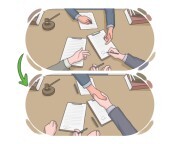
to bring a dispute or disagreement to an end

解決する, 和解する
解決する, 和解する

Ex: After hours of negotiation, the parties settled their differences and reached a compromise. 
settlement
settlement
[名詞]

an official agreement that puts an end to a dispute

合意, 解決

合意, 解決

Ex: The government brokered a settlement between the warring factions to bring peace to the region. 
to shake on
to shake on
[動詞]

to shake hands as an act of agreement

握手して合意する, 合意の印として握手する

握手して合意する, 合意の印として握手する

Ex: After discussing the terms of the deal, they decided to shake on it. 

取引の条件を話し合った後、彼らは握手して合意することに決めました。

shoulder to shoulder

together working toward a shared aim

肩を並べて, 力を合わせて

肩を並べて, 力を合わせて

Ex: The volunteers worked shoulder to shoulder to rebuild the school. 

ボランティアたちは学校を再建するために肩を並べて働いた。

to side with
to side with
[動詞]

to support a person or group against someone else in a fight or argument

側に付く, 支持する

側に付く, 支持する

Ex: He sided with the critics, expressing doubts about the new policy. 

彼は新しい政策について疑問を表明し、批評家の側に立った。

to sign
to sign
[動詞]

to write one's name or mark on a document to indicate acceptance, approval, or endorsement of its contents

署名する

署名する

Ex: The author regularly signs copies of her books at book signings. 
signatory
signatory
[名詞]

a person, organization, or country that has signed a formal agreement

署名者, 調印者

署名者, 調印者

Ex: The signatories of the treaty agreed to uphold the terms outlined in the document. 

条約の署名者は、文書に記載された条件を守ることに同意しました。

to sign on
to sign on
[動詞]

to sign a contract agreeing to work for someone

契約に署名する, 雇用される

契約に署名する, 雇用される

to sign up
to sign up
[動詞]

to sign a contract agreeing to do a job

契約を結ぶ

契約を結ぶ

Ex: The freelancer decided to sign up for a year-long contract with the client. 

フリーランサーはクライアントとの1年間の契約にサインアップすることを決めました。

to [sink] {one's} differences

to put aside disagreements

Ex: The two groups sank their political differences and joined together to beat the ruling party 
solid
solid
[形容詞]

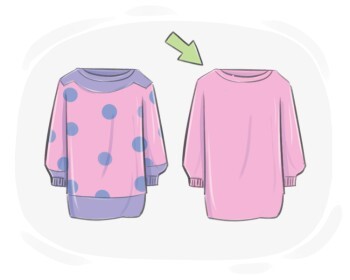
having a uniform color without any patterns, gradients, or mixed shades

無地, ソリッド
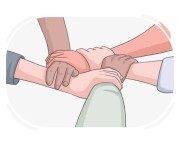
無地, ソリッド

Ex: The artist used a solid red background for the painting to highlight the figures. 
solidarity
solidarity
[名詞]

the support given by the members of a group to each other because of sharing the same opinions, feelings, goals, etc.

連帯

連帯

Ex: The workers stood together in solidarity to demand fair wages and better working conditions. 

労働者たちは、公正な賃金とより良い労働条件を要求するために、連帯して共に立ち上がった。

sounds like a plan

used to show agreement with a suggestion

to stand up and be counted

to publicly express one's agreement or support for someone or something

to strike a bargain

to make an agreement that involves both parties doing something for one another
submission
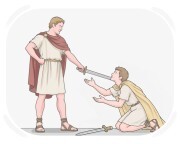
submission
[名詞]

the act or state of yielding to another person's authority, control, or superior power

服従,  降伏
服従, 降伏

Ex: The soldiers were forced into submission after weeks of fighting. 
to subscribe to

to support or agree with an idea, opinion, etc.

購読する, 支持する

購読する, 支持する

surely
surely
[副詞]

used as a positive response to something

確かに,  間違いなく

確かに, 間違いなく

sympathetic
sympathetic
[形容詞]

showing care and understanding toward other people, especially when they are not feeling good

同情的な, 思いやりのある

同情的な, 思いやりのある

Ex: The teacher was sympathetic to the student who was struggling with the coursework. 

教師は、コースワークに苦労していた学生に共感的でした。

sympathetically

in a way that shows sorrow or concern for someone else's difficulties

同情して, 共感を込めて

同情して, 共感を込めて

Ex: He sympathetically nodded as she described her difficulties. 

彼は、彼女が自分の困難を説明している間、同情してうなずいた。

to sympathize

to support and approve of something or someone

共感する, 同情する

共感する, 同情する

Ex: She sympathized with his decision to leave the company and wished him the best. 

彼女は会社を去る彼の決断に共感し、彼の幸せを願った。

LanGeek
LanGeekアプリをダウンロード