pattern

일과 돈 - 결제 및 구매

"foot the bill"과 "out of pocket"과 같은 영어 관용어가 영어에서 지불과 구매와 어떻게 관련되어 있는지 알아보세요.

리뷰

플래시카드

퀴즈
학습 시작
English idioms related to Work & Money
to [pay] through the nose for {sth}

to pay an unreasonably high price for something

터무니없이 비싸게 내다, 바가지를 쓰다

터무니없이 비싸게 내다, 바가지를 쓰다

Ex: She paid through the nose for that designer bag. 

그녀는 그 명품 가방에 터무니없이 비싼 돈을 냈다.

닫기
로그인
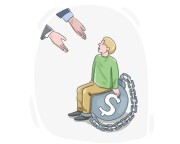
{num} out of {one's} own pocket

used for saying that a cost is paid by a person themselves instead of an organization or fund

자기 돈으로, 사비로

자기 돈으로, 사비로

Ex: The company did not reimburse him, so he paid out of his own pocket. 

회사에서 환급해 주지 않아 그는 자기 돈으로 냈다.

닫기
로그인
at {one's} expense

used to say who has paid for something

그의 비용으로, 그가 내는 돈으로

그의 비용으로, 그가 내는 돈으로

Ex: The repairs were done at the landlord's expense. 

수리는 집주인 비용으로 진행되었다.

닫기
로그인
to [foot] the bill

to accept the financial burden or responsibility for a certain project, service, or event, and pay for it

비용을 부담하다, 계산을 맡다

비용을 부담하다, 계산을 맡다

Ex: The sponsor will foot the bill for the whole event. 

후원사가 전체 행사 비용을 부담할 것이다.

닫기
로그인
on the hook for {sth}

used to say that someone has to pay for something

비용을 물어야 하는, 돈을 내야 하는 처지

비용을 물어야 하는, 돈을 내야 하는 처지

Ex: We thought insurance would cover it, but now we are on the hook. 

보험이 처리해 줄 줄 알았는데 이제 비용이 우리 책임이 됐다.

닫기
로그인
to [pay] {one's} (own|) [way]

to pay for one's expenses and not need financial support from others

자기 비용을 부담하다, 타인의 지원 없이 비용을 부담하다

자기 비용을 부담하다, 타인의 지원 없이 비용을 부담하다

Ex: He paid his own way during the trip and didn't rely on anyone. 

그는 여행 동안 자기 비용을 부담하고 아무에게도 의지하지 않았다.

닫기
로그인
going rate
going rate
[명사]

the price that is presently usual for a product or service

시세, 통상 요금

시세, 통상 요금

Ex: The going rate for babysitting has gone up this year. 

올해 아이 돌봄 시세가 올랐다.

닫기
로그인
nothing down

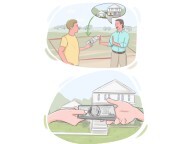
not needing to pay anything upfront or to make a deposit

선불금 없음, 보증금 없음

선불금 없음, 보증금 없음

Ex: The apartment is available with nothing down for the first month. 

아파트는 첫 달 선불금 없이 이용 가능합니다.

닫기
로그인
to [pick] up the (bill|check|tab) for {sth}

to pay the expense of something, usually instead of someone else

비용을 부담하다, 다른 사람 대신 비용을 내다

비용을 부담하다, 다른 사람 대신 비용을 내다

Ex: Parents often pick up the bill for school trips. 

부모는 종종 학교 여행 비용을 부담한다.

닫기
로그인
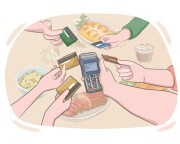
to [go] Dutch

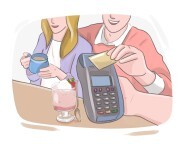
(of two or more people) to pay one's own share of the costs

각자 내다, 더치페이하다

각자 내다, 더치페이하다

Ex: Let's go Dutch so no one feels awkward. 

어색하지 않게 각자 내자.

닫기
로그인
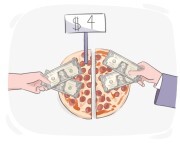
to [go] halves

to pay half of the expenses each

비용을 반씩 내다, 각자 반씩 부담하다

비용을 반씩 내다, 각자 반씩 부담하다

Ex: Let's go halves on the pizza. 

피자를 반씩 나눠 내자.

닫기
로그인
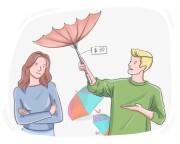
to [buy] a lemon

to purchase an item, typically a product or object, that is defective, unsatisfactory, or of little value or use

불량품을 사다, 하자를 사다

불량품을 사다, 하자를 사다

Ex: Be careful with private sellers, or you might buy a lemon. 

개인 판매자에게는 조심해, 아니면 불량품을 살 수도 있어.

닫기
로그인
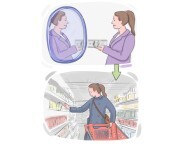
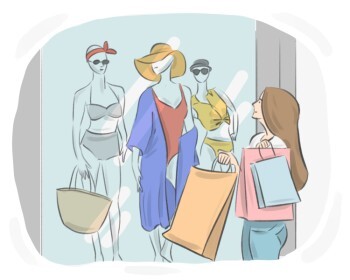
window shopping

the activity of just looking at the goods in the windows of stores without going inside and buying something

윈도 쇼핑, 그냥 구경하기

윈도 쇼핑, 그냥 구경하기

Ex: She went window shopping to pass the time. 

그녀는 시간을 때우려고 윈도 쇼핑을 갔다.

닫기
로그인
to [offer] {one's} [hen] for sale on a rainy day

to try to sell something when the conditions are not favorable

팔 때를 잘못 잡다, 불리할 때 팔다

팔 때를 잘못 잡다, 불리할 때 팔다

Ex: Launching a luxury service during a recession felt like offering one's hen for sale on a rainy day. 

불황에 고급 서비스를 출시한 건 팔 때를 잘못 잡은 셈이었다.

닫기
로그인
LanGeek
LanGeek 앱 다운로드