
Práce a Peníze - Platba a Nákup
Objevte, jak anglická idiomatická spojení jako "foot the bill" a "out of pocket" souvisí s placením a nákupy v angličtině.
Revize
Kartičky
Kvíz

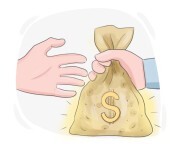
to pay an unreasonably high price for something

pořádně přeplatit, zaplatit majlant
Museli jsme pořádně přeplatit, protože jsme rezervovali na poslední chvíli.

used for saying that a cost is paid by a person themselves instead of an organization or fund
z vlastní kapsy, za své
Dobrovolníci zaplatili jídlo z vlastní kapsy.

used to say who has paid for something
na jeho náklady, na jeho účet
V hotelu bydlel na náklady zaměstnavatele.
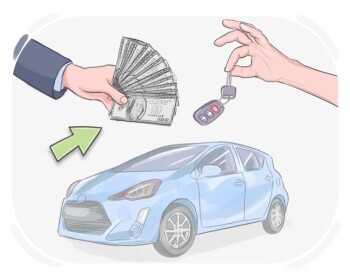
to accept the financial burden or responsibility for a certain project, service, or event, and pay for it
zatáhnout účet, nést náklady
Rodiče zatáhli účet za můj první rok na univerzitě.

used to say that someone has to pay for something
na krku, muset to zaplatit
Když to po dnešku zrušíš, možná budeš muset zaplatit celou částku.

to pay for one's expenses and not need financial support from others
platit si sám, nebýt na cizí podpoře
Během expedice si každý člen platil své vlastní zásoby.

the price that is presently usual for a product or service
běžná sazba, obvyklá cena
Na tu oblast je nájem blízko běžné ceně.

not needing to pay anything upfront or to make a deposit
bez zálohy, bez počáteční platby
Auto můžete koupit bez zálohy a s nízkými měsíčními splátkami.

to pay the expense of something, usually instead of someone else
zaplatit účet, hradit náklady za někoho
Neboj se oběda, zaplatím účet.

(of two or more people) to pay one's own share of the costs
platit každý za sebe, rozdělit si účet
Rád tě pozvu, ale jestli chceš, můžeme platit každý za sebe.

to pay half of the expenses each
platit napůl, každý platí polovinu
Platba taxi napůl to usnadnila nám oběma.

to purchase an item, typically a product or object, that is defective, unsatisfactory, or of little value or use
koupit šunt, koupit krám
Koupil jsem šunt; auto se porouchalo hned první den.
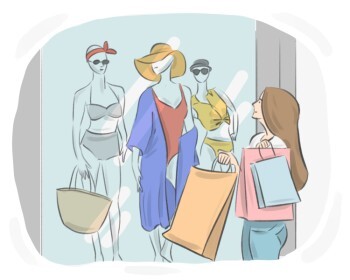
the activity of just looking at the goods in the windows of stores without going inside and buying something
prohlížení výloh, jen se dívat
Po obědě si v nákupním centru prohlíželi výlohy.

to try to sell something when the conditions are not favorable
prodávat v nevhodnou chvíli, prodávat za špatných podmínek
Zkoušeli prodávat lístky na festival po jeho skončení, tedy v úplně nevhodnou chvíli.
