本 Solutions - 中上級 - ユニット6 - 6G
ここでは、Solutions Upper-Intermediateコースブックのユニット6 - 6Gからの語彙、例えば「感染」、「胸焼け」、「混雑した」などを見つけることができます。
レビュー
フラッシュカード
綴り
クイズ

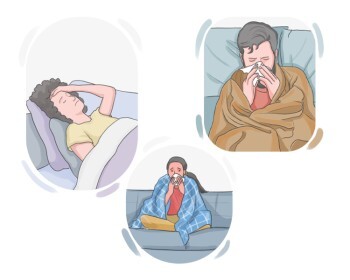
the state of being physically or mentally sick

病気, 疾患
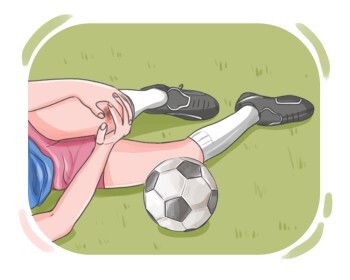
any physical damage to a part of the body caused by an accident or attack
けが, 損傷

a change in the normal condition of the body of a person, which is the sign of a disease
症状
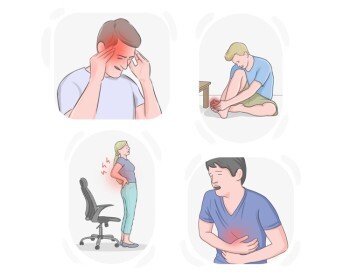
a continuous pain in a part of the body, often not severe
痛み, うずき
長いハイキングの後、足が痛みました。
an injury on the skin that appears as a dark mark, caused by a blow involving the rupture of vessels underneath
あざ, 打撲傷
自転車から落ちた後、彼は腕に痛みを伴う打撲傷ができているのに気づき、それが治るには数日かかるだろうと思った。
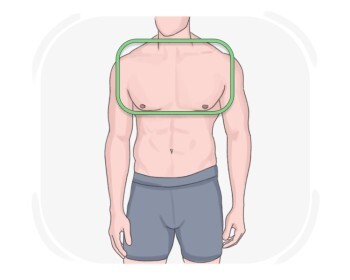
the front part of the body between the neck and the stomach
胸, 胸部
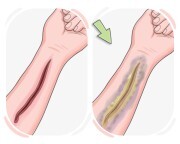
a condition in which harmful germs, such as bacteria or viruses, invade the body and cause harm, leading to symptoms such as fever, pain, and swelling
感染

used to describe a condition in which there is an abnormal accumulation of blood in a specific area, usually due to blockages or poor circulation, leading to swelling, pain, or other associated symptoms
うっ血した, 混雑した
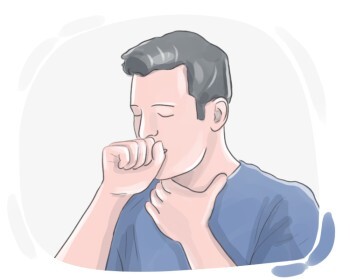
an act or sound of forcing air suddenly out of the lungs through the throat
咳, 咳払い
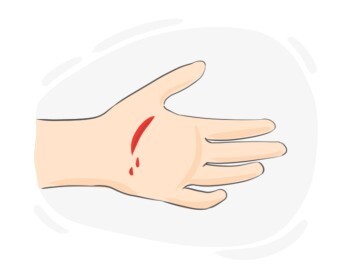
a break or opening in the skin or flesh, often caused by a sharp object or injury
切り傷, 傷
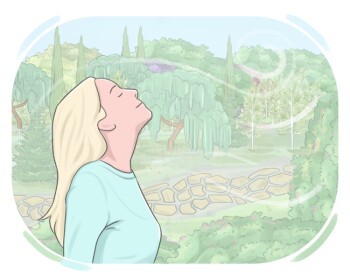
to experience a particular emotion
感じる, 経験する
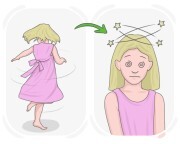
unable to keep one's balance and feeling as though everything is circling around one, caused by an illness or looking down from a high place
めまいがする, ふらふらする
彼女は急に立ち上がった後、めまいとふらつきを感じた。

experiencing extreme exhaustion
疲れ果てた, 消耗した
連続して3回の夜勤を終えた後、彼女は完全に疲れ果て、目を開けているのがやっとだった。
a burning discomfort or pain in the chest or upper abdomen, often caused by the backing up of stomach acid into the esophagus
胸焼け, 胃酸逆流
辛い食事を食べた後、彼は一晩中ひどい胸やけに苦しんだ。
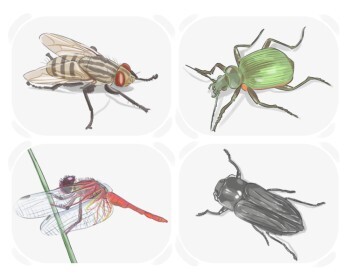
a small arthropod with six legs and a body divided into three parts, often also having wings
a small arthropod with six legs and a body divided into three parts, often also having wings
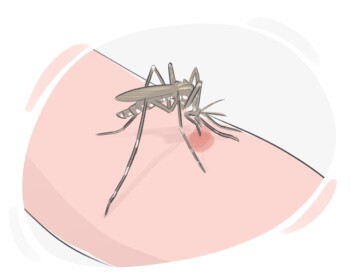
a painful infliction caused by a small sharp and pointed organ that some insects have and use to penetrate the prey and inject poison
刺し傷, 針
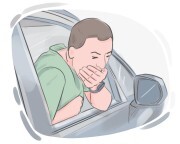
feeling as if one is likely to vomit
吐き気がする, むかつく
でこぼこの車の乗り心地が彼女を吐き気させ、彼女は気分が悪くならないように目を閉じなければならなかった。

the act or instance of blood flowing from the nose
鼻血, 鼻出血
彼は鼻を強くかみすぎた後、鼻血が出た。
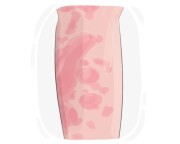
a part of one's skin covered with red spots, which is usually caused by a sickness or an allergic reaction
発疹, 赤み
発疹は、皮膚の外観の変化で、しばしば赤み、隆起、または水疱を特徴とします。
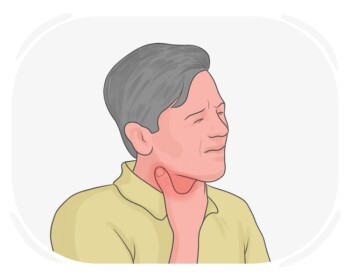
a condition when you feel pain in the throat, usually caused by bacteria or viruses
喉の痛み
喉の痛みは、しばしば風邪の最初の兆候です。
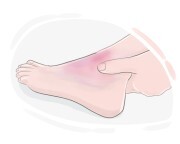
a painful injury resulting in the sudden twist of a bone or joint, particularly one's wrist or ankles
捻挫, 挫傷
彼女はバスケットボールをしているときに不自然に着地して捻挫をした。
difficult or painful to move because of tightness or soreness in the muscles or joints
凝った, こわばった
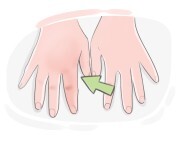
(of a part of the body) unusually large, particularly because of an injury or illness
腫れた, 膨れた
足首をひねった後、サラの足は腫れ、痛みを伴った。
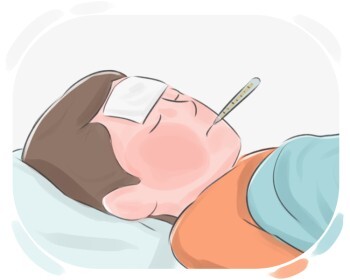
a condition characterized by a body temperature above the normal range, often indicating an immune response to infection or illness within the body
熱, 高温
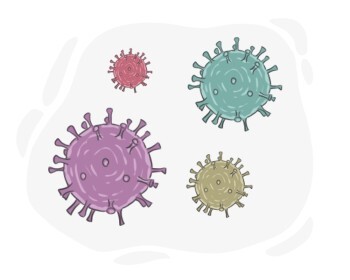
an infectious agent that reproduces only inside living cells and can cause disease
ウイルス, ウィルス
an injury inflicted on the body especially one that seriously damages the skin or the flesh
傷, 負傷
an action that is done to relieve pain or cure a disease, wound, etc.
治療
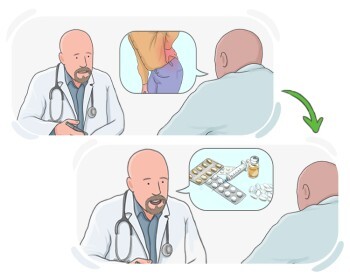
a medicine or treatment used to cure an illness or relieve pain or other symptoms
治療, 薬
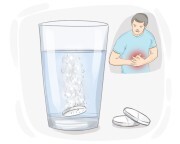
a medication that reduces or neutralizes the acidity of the body, particularly the stomach
制酸剤, 酸中和剤
彼は夕食後の胸焼けを和らげるために制酸剤を飲んだ。
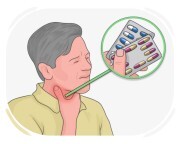
a medicine that kills or stops the growth of bacteria
抗生物質, 抗菌薬
医師は感染症のために 抗生物質 を処方しました。
a type of medicine used to treat allergies or neutralize their effects
抗ヒスタミン薬, アレルギー治療薬
彼はアレルギー症状を和らげるために抗ヒスタミン薬を飲んだ。
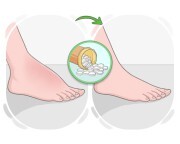
the substances, medications, or treatments that reduce inflammation and alleviate symptoms associated with inflammatory conditions, such as pain and swelling
抗炎症薬, 炎症を抑える薬
医師は、けが後の痛みに抗炎症薬を推奨します。
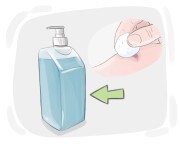
a substance that prevents infection when applied to a wound, especially by killing bacteria
消毒薬, 殺菌剤
彼女は感染を防ぐために包帯を貼る前に切り傷を消毒液で清潔にしました。
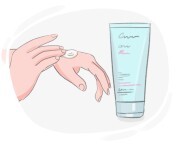
a thick, semi-solid substance used for moisturizing and soothing the skin
クリーム

a piece of cloth that is put around a wound to prevent infections
包帯, バンドエイド
彼女は感染から守るために指の切り傷に包帯を巻いた。
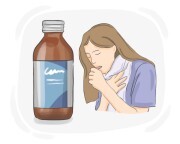
a medicine, often in a form of liquid, that one takes to relieve coughing
咳止めシロップ, 咳止め薬
彼は喉を和らげるために咳止め薬を飲んだ。
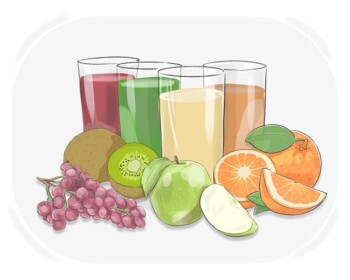
a substance that flows freely and has a fixed volume but no fixed shape
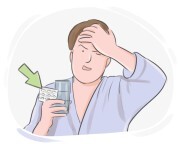
a type of medicine that is used to reduce or relieve pain
鎮痛剤, 痛み止め
彼女は仕事の長い一日の後、頭痛を和らげるために鎮痛剤を飲んだ。
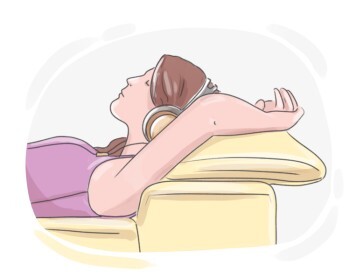
a period of relaxing, sleeping or doing nothing, especially after a period of activity
休息, 休憩
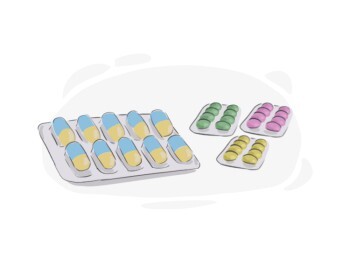
a small solid piece of medicine, usually made by compressing powdered ingredients and intended to be swallowed
錠剤, タブレット

a small candy designed to soothe a sore throat
のど飴, のど用キャンディ
彼女は喉のイガイガを和らげるためにのど飴を舐めた。