
Książka Solutions - Zaawansowany - Jednostka 9 - 9C
Tutaj znajdziesz słownictwo z Unitu 9 - 9C w podręczniku Solutions Advanced, takie jak "demise", "indication", "undermine" itp.
Przegląd
Fiszki
formy
Pisownia
Test

one of the things that affects something or contributes to it

czynnik, element
(of a system, organization, etc.) a sudden and abrupt failure
upadek, załamanie
a society that has developed its own culture and institutions in a particular period of time or place
cywilizacja, społeczeństwo
Cywilizacja poczyniła wielkie postępy w medycynie i nauce na przestrzeni wieków.
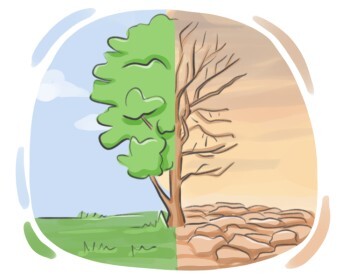
a permanent change in global or regional climate patterns, including temperature, wind, and rainfall
zmiana klimatu, globalne ocieplenie
Niektóre gatunki są zagrożone wyginięciem z powodu zmian klimatu.

dishonest or illegal conduct, especially by people who hold positions of power or authority

relating to the production, distribution, and management of wealth and resources within a society or country
ekonomiczny
Nierówność ekonomiczna pozostaje znaczącym wyzwaniem w wielu krajach, wpływając na dostęp do możliwości i zasobów.

related or belonging to a country or region other than your own
obcy, zagraniczny
Firma rozszerzyła swoją działalność na zagraniczne rynki w Azji.
the act of entering another country or territory by military force, especially in order to occupy or control it
inwazja, najazd
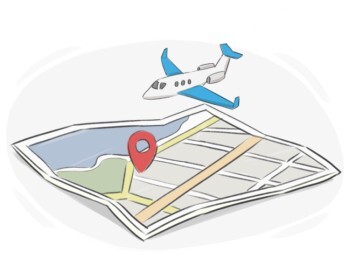
referring to activities or matters within a country's borders
wewnętrzny, krajowy
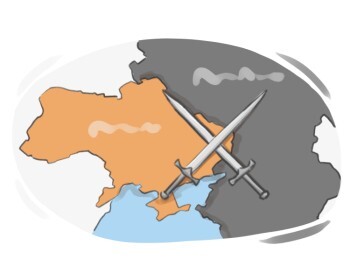
a hostile encounter between armed forces during a war
konflikt, starcie
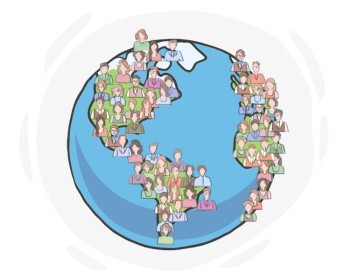
a situation where the number of people living in a particular area is more than the capacity of the environment to support them
przeludnienie, nadmierna populacja
Przeludnienie przyczynia się do zwiększonej konkurencji o miejsca pracy i zasoby.

to cause an event, process, or reaction to begin
wywołać, spowodować
the end or failure of something, such as an organization, system, or life
koniec, upadek
Partia polityczna stanęła w obliczu swojego upadku po serii skandali.
to guess how long something will last
dać, oszacować
something that serves to show, suggest, or point to a fact, condition, or situation
wskazanie, oznaka
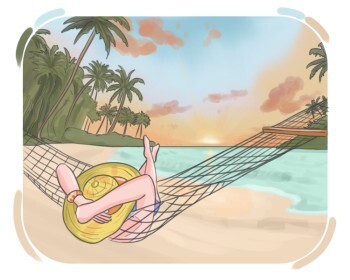
to take pleasure or find happiness in something or someone
cieszyć się, lubić

the fact of reaching what one tried for or desired
sukces, osiągnięcie
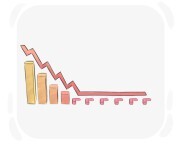
to gradually weaken someone's confidence, authority, effectiveness, or chances of success
podkopywać, osłabiać

a set of ideas intended to explain the reason behind the existence or occurrence of something
teoria, hipoteza
to lose a position of power, authority, or influence, often as a result of a negative event or circumstance
upadać, upaść
a change toward a smaller, lower, or reduced state
spadek, zmniejszenie
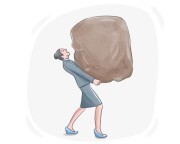
to invest a specific amount of time or effort into an activity or task with dedication
inwestować, poświęcać
Włożyli tyle pasji w odrestaurowanie starego teatru.
a specific manner of considering something
punkt widzenia, perspektywa
to indicate or signify something, often in a clear or explicit way
oznaczać, wskazywać
the final part of something, such as an event, a story, etc.
koniec, zakończenie
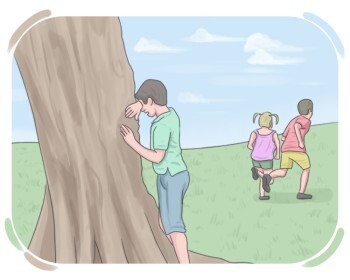
to take part in a game or activity for fun
grać, bawić się
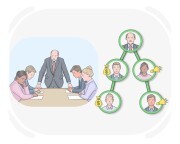
a set of actions and responsibilities that are assigned to a person or group within a specific context
rola
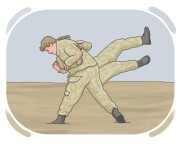
to fight directly against an opponent or opposing force
zwalczać, walczyć z
to address, discuss, or focus on a particular topic or issue
zajmować się, omawiać
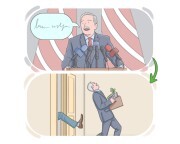
to remove someone from a position of power or authority, often through force or legal action
zdetronizować, złożyć z urzędu
Monarcha został zdetronizowany, co doprowadziło do utworzenia nowej rady rządzącej.
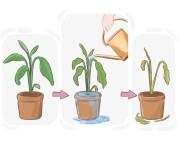
to make a problem, bad situation, or negative feeling worse or more severe
zaostrzać, pogarszać
Zaostrzyli napięcie, unikając dyskusji.
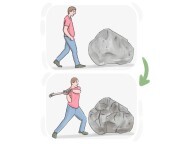
to deal with a given situation, especially an unpleasant one
zmierzyć się, stawić czoła
to oppress or weaken someone or something, often through harsh or repetitive action
mielić, uciskać
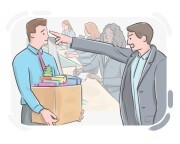
to dismiss someone from their job
zwolnić, wyrzucić z pracy
to increase gradually in size, amount, force, or intensity
pęcznieć, wzrastać
| Książka Solutions - Zaawansowany | |||
|---|---|---|---|
| Jednostka 7 - 7H | Jednostka 8 - 8A | Jednostka 8 - 8C | Jednostka 8 - 8E |
| Jednostka 8 - 8F | Jednostka 9 - 9A | Jednostka 9 - 9C | Jednostka 9 - 9D |
| Jednostka 9 - 9E | Jednostka 9 - 9F | Jednostka 9 - 9G | |
