pattern

Solutions - Advanced - Unit 9 - 9C

Here you will find the vocabulary from Unit 9 - 9C in the Solutions Advanced coursebook, such as "demise", "indication", "undermine", etc.

Review

Flashcards

Forms

Spelling

Quiz
Start learning
Solutions - Advanced
factor
factor
[noun]

one of the things that affects something or contributes to it

Ex: Poor weather conditions were a significant factor in the cancellation of the outdoor event. 
Close
Sign in
collapse
collapse
[noun]

(of a system, organization, etc.) a sudden and abrupt failure

Ex: The collapse of the government sparked protests across the country. 
Close
Sign in
civilization

a society that has developed its own culture and institutions in a particular period of time or place
Ex: Ancient Egypt is considered one of the greatest civilizations in history. 
Close
Sign in
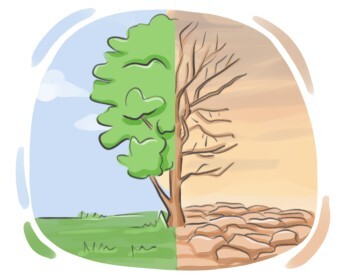
climate change

a permanent change in global or regional climate patterns, including temperature, wind, and rainfall

Ex: Climate change is a major concern for future generations. 
Close
Sign in
corruption

dishonest or illegal conduct, especially by people who hold positions of power or authority
Ex: The investigation uncovered widespread corruption among local officials. 
Close
Sign in
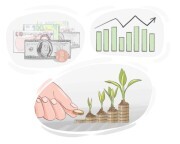
economic
economic
[Adjective]

relating to the production, distribution, and management of wealth and resources within a society or country
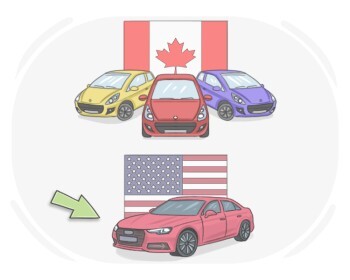
Ex: Rising unemployment rates were a major economic concern during the recession. 
Close
Sign in
foreign
foreign
[Adjective]

related or belonging to a country or region other than your own

Ex: Watching foreign films provides viewers with a glimpse into the storytelling and cinematic styles of different cultures. 
Close
Sign in
invasion
invasion
[noun]

the act of entering another country or territory by military force, especially in order to occupy or control it
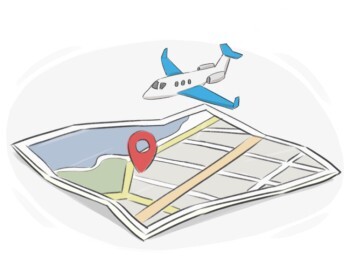
Ex: The army prepared to defend the border against a possible invasion. 
Close
Sign in
internal
internal
[Adjective]

referring to activities or matters within a country's borders
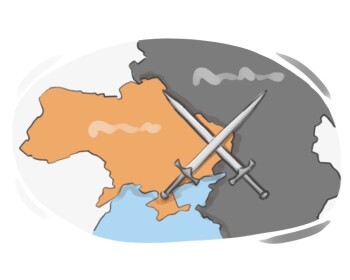
Ex: The government announced new policies to boost internal trade. 
Close
Sign in
conflict
conflict
[noun]

a hostile encounter between armed forces during a war
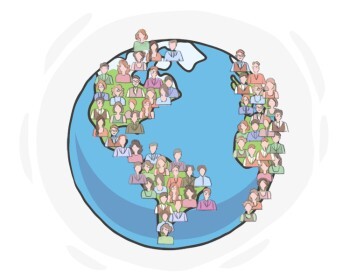
Ex: The soldiers engaged in a brief conflict at the border. 
Close
Sign in
overpopulation

a situation where the number of people living in a particular area is more than the capacity of the environment to support them

Ex: Overpopulation has led to a shortage of housing in many cities. 
Close
Sign in
to trigger

to cause an event, process, or reaction to begin

Ex: The announcement triggered widespread criticism. 
Close
Sign in
demise
demise
[noun]

the end or failure of something, such as an organization, system, or life

Ex: The company's demise was caused by poor management decisions. 
Close
Sign in
to give
to give
[Verb]

to guess how long something will last

Ex: The mechanic gave the old car about a year before it would need major repairs. 
Close
Sign in
indication

something that serves to show, suggest, or point to a fact, condition, or situation
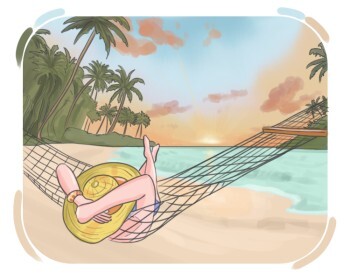
Ex: The dark clouds are an indication of approaching rain. 
Close
Sign in
to enjoy
to enjoy
[Verb]

to take pleasure or find happiness in something or someone

Ex: She enjoys listening to classical music while working. 
Close
Sign in
success
success
[noun]

the fact of reaching what one tried for or desired
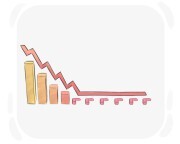
Ex: His hard work and determination finally led to the success he had been striving for. 
Close
Sign in
to undermine

to gradually weaken someone's confidence, authority, effectiveness, or chances of success

Ex: Constant criticism gradually undermined Emma's confidence. 
Close
Sign in
theory
theory
[noun]

a set of ideas intended to explain the reason behind the existence or occurrence of something

Ex: Scientists proposed a new theory to explain the origins of the universe. 
Close
Sign in
to fall
to fall
[Verb]

to lose a position of power, authority, or influence, often as a result of a negative event or circumstance

Ex: After the scandal, the once-respected politician saw his reputation fall dramatically. 
Close
Sign in
decline
decline
[noun]

a change toward a smaller, lower, or reduced state
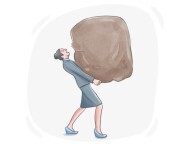
Ex: The company reported a decline in sales this quarter. 
Close
Sign in
to put into

to invest a specific amount of time or effort into an activity or task with dedication

Ex: She put a lot of hard work into that project 
Close
Sign in
perspective

a specific manner of considering something

Ex: From a historical perspective, the Renaissance marked a period of great cultural advancement. 
Close
Sign in
to spell
to spell
[Verb]

to indicate or signify something, often in a clear or explicit way

Ex: His sudden silence spelled trouble for the project. 
Close
Sign in
end
end
[noun]

the final part of something, such as an event, a story, etc.
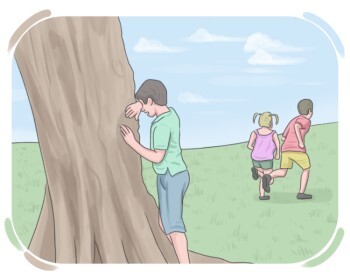
Ex: The movie had a surprising twist at the end that left everyone in awe. 
Close
Sign in
to play
to play
[Verb]

to take part in a game or activity for fun
Ex: A group of kids were playing tag in the park. 
Close
Sign in
role
role
[noun]

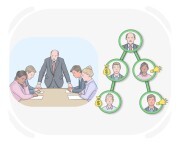
a set of actions and responsibilities that are assigned to a person or group within a specific context
Ex: Her role includes training new employees. 
Close
Sign in
to combat
to combat
[Verb]

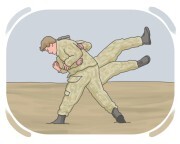
to fight directly against an opponent or opposing force

Ex: The troops combated enemy forces throughout the night. 
Close
Sign in
to deal
to deal
[Verb]

to address, discuss, or focus on a particular topic or issue
Ex: The book deals with the impact of technology on society. 
Close
Sign in
to depose
to depose
[Verb]

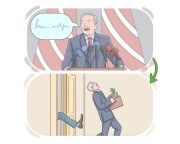
to remove someone from a position of power or authority, often through force or legal action
Ex: The revolutionaries aimed to depose the tyrannical ruler and establish a democratic government. 
Close
Sign in
to exacerbate

to make a problem, bad situation, or negative feeling worse or more severe
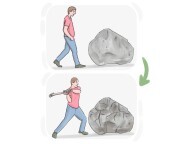
Ex: Ignoring the issue can exacerbate the problems in the long run. 
Close
Sign in
to face
to face
[Verb]

to deal with a given situation, especially an unpleasant one

Ex: Employees often face challenges in adapting to new workplace policies. 
Close
Sign in
to grind
to grind
[Verb]

to oppress or weaken someone or something, often through harsh or repetitive action
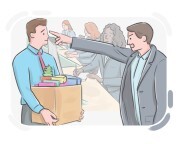
Ex: The harsh conditions of the factory grind the workers' spirits. 
Close
Sign in
to sack
to sack
[Verb]

to dismiss someone from their job

Ex: The company sacked him for serious misconduct. 
Close
Sign in
to swell
to swell
[Verb]

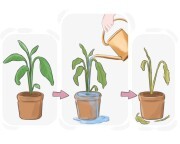
to increase gradually in size, amount, force, or intensity

Ex: The crowd swelled as more people arrived for the concert. 
Close
Sign in
LanGeek
Download LanGeek app