pattern

Książka Interchange - Średnio zaawansowany - Jednostka 6 - Część 2

Tutaj znajdziesz słownictwo z Jednostki 6 - Części 2 w podręczniku Interchange Intermediate, takie jak "admit", "buffet", "madness" itp.

Przegląd

Fiszki

formy

Pisownia

Test
Zacznij naukę
Interchange - Intermediate
inside
inside
[przysłówek]

in or into a room, building, etc.

wewnątrz, do środka

wewnątrz, do środka

Ex: The team huddled inside the locker room before the game. 
outside
outside
[przysłówek]

in an open area surrounding a building

na zewnątrz, na dworze

na zewnątrz, na dworze

Ex: The event took place outside on the spacious grounds. 
stranger
stranger
[Rzeczownik]

a person who is unfamiliar with a particular place because they have not been there before

obcy,  przybysz

obcy, przybysz

Ex: He was a stranger in town and knew none of the local streets. 
balcony
balcony
[Rzeczownik]

a platform above the ground level and on the outside wall of a building that we can get into from the upper floor

balkon, taras

balkon, taras

Ex: During the summer, the family often hosted barbecues on their balcony, enjoying the warm weather. 

Latem rodzina często organizowała grille na swoim balkonie, ciesząc się ciepłą pogodą.

can
can
[Czasownik]

to be able to do somehing, make something, etc.

móc, być w stanie

móc, być w stanie

Ex: With his carpentry skills, he can craft intricate wooden furniture. 
could
could
[Czasownik]

used to show the possibility of something happening or being the case

mógłby, mógł

mógłby, mógł

would
would
[Czasownik]

used to offer, suggest, or ask for advice politely

chciałbym zasugerować, chciałbym poradzić

chciałbym zasugerować, chciałbym poradzić

Ex: I would advise contacting the manager directly. 
to mind
to mind
[Czasownik]

(often used in negative or question form) to be upset, offended, or bothered by something

przeszkadzać, mieć coś przeciwko

przeszkadzać, mieć coś przeciwko

Ex: I don't mind if you borrow my book, just please return it when you're done. 
to keep
to keep
[Czasownik]

to have or continue to have something

zatrzymać, przechowywać
zatrzymać, przechowywać

Ex: Do you need this document back, or can I keep it for my records? 
to park
to park
[Czasownik]

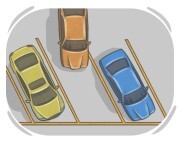
to move a car, bus, etc. into an empty place and leave it there for a short time

parkować, zaparkować

parkować, zaparkować

Ex: After circling the block for several minutes, she finally found a spot to park her car. 
apology
apology
[Rzeczownik]

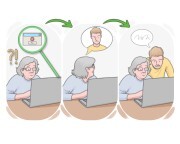
something that a person says or writes that shows they regret what they did to someone

przeprosiny, żal
przeprosiny, żal

Ex: She sent an apology to her friend for missing the birthday party. 
to request
to request
[Czasownik]

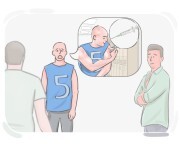
to ask for something politely or formally

prosić, wnioskować
prosić, wnioskować

Ex: The boss requested that all employees attend the mandatory training session. 
to admit
to admit
[Czasownik]

to agree with the truth of something, particularly in an unwilling manner

przyznawać, uznawać

przyznawać, uznawać

Ex: She admits her mistakes openly during team meetings. 
mistake
mistake
[Rzeczownik]

an act or opinion that is wrong

błąd, pomyłka

błąd, pomyłka

Ex: Recognizing and admitting your mistakes is the first step toward personal growth. 
offer
offer
[Rzeczownik]

the action of presenting something verbally

propozycja, oferta

propozycja, oferta

Ex: His offer of apology sounded sincere. 
weird
weird
[przymiotnik]

strange in a way that is difficult to understand

dziwny, niezwykły

dziwny, niezwykły

Ex: The magician did a weird trick that I still can't figure out. 

Magik wykonał dziwną sztuczkę, której wciąż nie potrafię zrozumieć.

to interview
to interview
[Czasownik]

to ask someone questions to see whether they are qualified for a course of study, job, etc.

przeprowadzać wywiad, rozmawiać kwalifikacyjnie

przeprowadzać wywiad, rozmawiać kwalifikacyjnie

Ex: The admissions committee will interview each candidate to determine their qualifications for the program. 
to lend
to lend
[Czasownik]

to give something to someone temporarily, expecting them to return it later

Ex: She lent me some money until payday. 
strawberry
strawberry
[Rzeczownik]

a soft, red juicy fruit with small seeds on its surface

truskawka

truskawka

Ex: The strawberry plant in our garden is beginning to bear fruit. 

Roślina truskawki w naszym ogrodzie zaczyna owocować.

to oversleep
to oversleep
[Czasownik]

to wake up later than one intended to

zaspać, przespać się

zaspać, przespać się

Ex: She overslept yesterday and missed her morning class. 

Ona wczoraj zaspała i opuściła poranną lekcję.

buffet
buffet
[Rzeczownik]

a meal with many dishes from which people serve themselves at a table and then eat elsewhere

bufet

bufet

Ex: The buffet included a salad bar, hot entrees, and a dessert station. 

Bufet obejmował bar sałatkowy, gorące dania główne i stację deserową.

to gain
to gain
[Czasownik]

to obtain something through one's own actions or hard work

zdobywać, uzyskiwać
zdobywać, uzyskiwać

Ex: She gained recognition in the industry through years of dedication and innovation. 
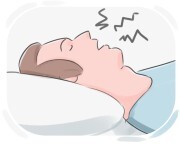
to snore
to snore
[Czasownik]

to breathe through one's nose and mouth in a noisy way while asleep

chrapać, sapać

chrapać, sapać

Ex: Even the cat on the windowsill seemed to snore softly as it dozed in the sunlight. 

Nawet kot na parapecie wydawał się cicho chrapać, drzemiąc w słońcu.
patient
patient
[Rzeczownik]

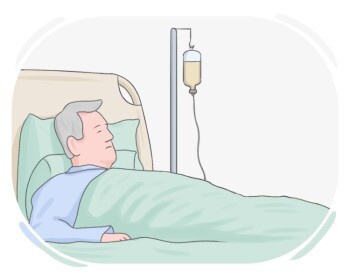
someone who is receiving medical treatment, particularly in a hospital or from a doctor

pacjent

pacjent

Ex: As a nurse, she must be kind and attentive to all her patients. 
promise
promise
[Rzeczownik]

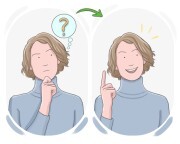
an assurance or declaration indicating the possible success or occurrence of something in the future

obietnica, perspektywa
obietnica, perspektywa

Ex: The young entrepreneur's innovative idea shows great promise for transforming the industry. 
to realize
to realize
[Czasownik]

to have a sudden or complete understanding of a fact or situation

zdać sobie sprawę, uświadomić sobie

zdać sobie sprawę, uświadomić sobie

Ex: It wasn't until the lights went out that we realized that the power had been cut. 
terribly
terribly
[przysłówek]

in a very unpleasant, poor, or painful manner

strasznie, okropnie

strasznie, okropnie

Ex: That meal was terribly prepared, dry and tasteless. 

Ten posiłek był strasznie przygotowany, suchy i bez smaku.
public
public
[przymiotnik]

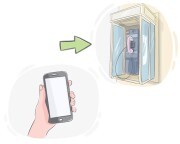
connected with the general people or society, especially in contrast to specific groups or elites

publiczny, wspólny

publiczny, wspólny

Ex: The event attracted public interest due to its wide-reaching appeal. 
madness
madness
[Rzeczownik]

very stupid behavior that could develop into a dangerous situation

szaleństwo, głupota

szaleństwo, głupota

Ex: The protesters' attempt to storm the government building was described by officials as an act of madness. 

Próba szturmu protestujących na budynek rządowy została opisana przez urzędników jako akt szaleństwa.

receptionist
receptionist
[Rzeczownik]

a person who greets and deals with people arriving at or calling a hotel, office building, doctor's office, etc.

recepcjonista, pracownik recepcji

recepcjonista, pracownik recepcji

Ex: The salon receptionist booked me an appointment with the stylist. 

Recepcjonistka w salonie zarezerwowała mi wizytę u stylisty.

server
server
[Rzeczownik]

a person whose job is to serve food and drinks to customers in a restaurant

kelner,  kelnerka

kelner, kelnerka

Ex: We left a generous tip for our friendly server. 
chef
chef
[Rzeczownik]

a highly trained cook who often cooks for hotels or restaurants

szef kuchni, kucharz

szef kuchni, kucharz

Ex: During the cooking competition, each chef had to create a signature dish using only local ingredients. 

Podczas konkursu kulinarnego każdy szef kuchni musiał stworzyć danie signature używając tylko lokalnych składników.

manager
manager
[Rzeczownik]

someone who is in charge of running a business or managing part or all of a company or organization

menedżer, kierownik

menedżer, kierownik

Ex: As the manager, she conducts weekly meetings with her team. 
satisfactory
satisfactory
[przymiotnik]

good enough to meet the minimum standard or requirement

zadowalający, akceptowalny

zadowalający, akceptowalny

Ex: The quality of work met the company's satisfactory standards. 

Jakość pracy spełniła zadowalające standardy firmy.
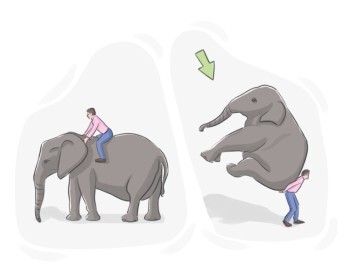
impossible
impossible
[przymiotnik]

not able to occur, exist, or be done

niemożliwy, niewykonalny

niemożliwy, niewykonalny

Ex: Despite all his efforts, he found it impossible to forget his past. 
LanGeek
Pobierz aplikację LanGeek