
Opinia i Argument - Ekspresyjny Dyskurs
Tutaj nauczysz się niektórych angielskich słów związanych z ekspresyjną wypowiedzią, takich jak "forum", "informacja zwrotna" i "szacunek".
Przegląd
Fiszki
formy
Pisownia
Test

the ability to deliver a clear and strong message

wymowa, zdolność do przekazywania jasnego i silnego przesłania
Jego wymowa podczas debaty pomogła przekonać wielu ludzi do poparcia jego poglądów.
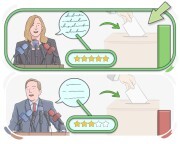
able to utilize language to convey something well, especially in a persuasive manner
wymowny, przekonujący
Ona jest wymowna, z łatwością urzekając publiczność swoją przekonującą i wyraźną mową.

in a way that expresses ideas or feelings clearly, persuasively, and with great effectiveness
wymownie, elokwentnie
Polityk odpowiedział na pytania wymownie, imponując publiczności.

to greatly admire or respect someone or something
szanować, czcić
Pracownicy bardzo szanują swojego oddanego menedżera za jej przywództwo i wsparcie.

to show or make a thought, feeling, etc. known by looks, words, or actions
wyrażać, okazywać
the act of showing one's ideas or feelings through words or actions
wyrażenie, ekspresja
the act of giving both sides of an argument a fair chance to express their opinions about something
sprawiedliwe wysłuchanie, uczciwe przesłuchanie
Jestem pewien, że legislacja otrzymała sprawiedliwe wysłuchanie - jestem tylko zaskoczony, że nie przeszła.
the degree to which someone or something is accepted or considered appealing
przychylność

showing approval or support
przychylny, wspierający
Jego przemówienie zostało przyjęte przychylnymi oklaskami.
in a positive, approving, or useful manner
przychylnie, pozytywnie
Wskaźniki ekonomiczne wskazywały korzystnie na wzrost, przy rosnących stopach zatrudnienia i wydatkach konsumentów.
to give information or constructive suggestions about something, particularly with regard to improvement
przekazać informację zwrotną, udzielić opinii
to hold a particular opinion or attitude or have a feeling that something might be the case without a justifiable reason
czuć, myśleć
a belief or opinion that is inspired by one's emotions rather than facts
uczucie, wrażenie
to have a particular opinion or feeling about something that makes one regard it in a specified way
znaleźć, uważać
to become confident enough to speak or express oneself
to believe something favorable about one's character or abilities even though it might not be true
schlebiać, przechwalać
to change one's opinion, decision, or position back and forth repeatedly or suddenly
ciągle zmieniać zdanie, wycofywać się ze swojej decyzji
Polityk ma tendencję do zmiany zdania w ważnych kwestiach w zależności od opinii publicznej.
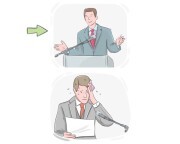
(of people or opinions) strong and demanding in manner or expression
energiczny, stanowczy
Stanowczy sprzeciw opozycji wstrzymał uchwalenie ustawy.
a person's ability to express their ideas and beliefs in a persuasive and assertive manner
siła perswazji, asertywność
used to express one's opinions or beliefs
moim zdaniem, jak dla mnie
Moim zdaniem powinniśmy poczekać, aż będziemy mieć lepsze dane.

a meeting or assembly in which people openly discuss a subject or issue
forum
forming one's own ideas rather than accepting what is generally accepted
wolnomyślicielski, niezależny w myśleniu
Ich grupa przyciągnęła osoby wolnomyślicielskie, które odrzucały konwencjonalne przekonania.
to limit freedom of speech or to prevent someone from writing or talking about a particular subject
zakneblować, ograniczać wolność słowa
Wydawca został uciszony nakazem sądowym, uniemożliwiającym mu wydanie kontrowersyjnej książki.
a limitation on freedom of speech or a restriction on dissemination of information
knebel, cenzura
to express one's strong opinions or beliefs publicly and forcefully, often in a long and impassioned speech
to allow one's feelings or opinions to be expressed
to form an opinion or judgement based on the information or experience one already has
opierać się na, ufać
Przy ocenie kandydatów do pracy pracodawcy często kierują się życiorysami aplikantów.
the positive opinion that people have about a person or a thing based on their reputation
dobra reputacja, dobre imię
to base an opinion or a judgment on something
opierać się na, bazować na
Nie będę się opierać na plotkach; chcę usłyszeć bezpośrednio od zaangażowanej osoby.
to dislike someone or something or have hostility towards them
to think favorably or positively about someone or something
used to introduce an opposing statement after making a point
to have a specific opinion or belief about someone or something
trzymać, mieć
to have a negative opinion about someone because of their actions in the past
to remain silent and not express one's opinion

blatant nonsense or obvious lies
bzdury, głupoty
Cała ta twarda mowa to tylko bzdury – on tylko szczeka, ale nie gryzie.
used to inquire about someone's opinion of something
a type of attitude, belief, or opinion one has
odcień, ton
Jego artystyczny odcień był widoczny w każdym jego dziele, odzwierciedlając jego unikalny światopogląd.
to start doubting a decision and begin to wonder whether it is the right or best thing to do
mieć wątpliwości, zaczynać się wahać
Planowali sprzedać dom, ale teraz mają wątpliwości.
to hold on to one’s opinions or position, especially when confronted by unfavorable circumstances or criticism
trzymać się, upierać się
