
Opinia i Argument - Wyrażanie Poglądów
Tutaj nauczysz się niektórych angielskich słów związanych z wyrażaniem poglądów, takich jak "stanowisko", "nachylenie" i "zmiana".
Przegląd
Fiszki
formy
Pisownia
Test

to express one's point of view or opinion on something

mówić, wyrażać
the right or chance to give an opinion about something
głos, prawo wypowiedzenia się

to have no respect for someone or something because one thinks they are stupid or undeserving
gardzić, pogardzać
Gardzę obłudą i cenię autentyczność i szczerość u innych.
a very strong feeling that someone or something is despicable or unworthy of respect
pogarda, lekceważenie
to regard someone or something in a specific way
widzieć, uważać
to constantly change from one opinion, state, or mood to another and then back again
wahadłować, zmieniać się
the conception someone has, particularly about their abilities, character, and qualities
obraz siebie, samoocena
Budowanie silnego obrazu siebie obejmuje samoakceptację i pewność siebie.
consideration or concern for oneself or one’s own interest
troska o siebie, zważanie na własne interesy
a feeling or opinion influenced by emotion rather than reason
uczucie, opinia
a slight difference or variation in meaning, opinion, feeling, or quality
odcień
to change one's opinion, idea, attitude, or plan
zmieniać, przesuwać
to adopt a different opinion or point of view, particularly a contradictory one
zmienić stanowisko, zmienić zdanie
Związek zawodowy odmówił zmiany stanowiska podczas negocjacji.
to be too harsh on someone just to prove that their ideas are wrong or stupid
zmiażdżyć, ostro krytykować
Tygodnik tabloidowy opublikował artykuł próbujący zestrzelić publiczny wizerunek aktora skandalicznymi plotkami.

used to indicate a degree of expectation regarding something that is likely to happen
powinien, powinieneś
Ona powinna zdać egzamin, biorąc pod uwagę, jak dobrze się uczyła.
to compel someone to accept one's ideas and beliefs, especially in an annoying way
wciskać komuś coś na siłę, narzucać coś komuś
Ich kampania się nie udała, bo wciskali markę wszystkim na siłę.
to do something to make one's feelings or opinions known
sygnalizować, wyrażać
to talk or act differently because of a change in opinion, behavior, or attitude, especially one that happens abruptly
zmienić śpiewkę, zmienić ton
Polityk zmienił śpiewkę, gdy sondaże zaczęły działać na jego niekorzyść.

to examine someone or something in order to form a judgment
ocenić, przyjrzeć się i ocenić
Przed podpisaniem umowy prawnik poradził swojemu klientowi, aby dokładnie przeanalizował warunki.
a biased or subjective angle in presenting information, often reflecting personal or ideological viewpoints
nachylenie, orientacja
Napisała utwór z feministycznym nachyleniem.
a mean or hurtful word or comment that is used to insult or put down someone based on their race, gender, or other traits
obelga, zniewaga
used ironically to express disapproval, sarcasm, or disbelief
pewien, jakiś
Zaoferowała jakieś wyjaśnienie; całkowicie niejasne.

to express strong and often negative opinions about something, typically in a rude manner
ostro wyrażać swoją opinię, krytykować coś zwykle w grubiański sposób
Podczas gorącej dyskusji nieustannie zabierał głos, dominując w rozmowie swoimi punktami widzenia.
expressing one's opinions or point of view as someone who has had the same or similar experience

to confidently share one's thoughts or feelings without any hesitation
otwarcie wyrażać swoje zdanie, bez wahania mówić co się myśli lub czuje
Nie bój się wypowiadać za to, co uważasz za słuszne.
to be able to understand someone because of having mutual tastes, opinions, attitudes, etc.
in a way that shows one's decisions are merely based on estimations or personal opinions rather than actual facts
spekulacyjnie
to clearly state one's opinions in order to distinguish between one's ideas and other's
wytyczać granice, wyraźnie stwierdzać
W projekcie grupowym każdy członek został poproszony o określenie swoich indywidualnych wkładów, aby wyjaśnić ich role we współpracy.

a particular attitude or position adopted toward an issue or situation
stanowisko

to have a certain opinion regarding an issue
stać, być
a mental viewpoint or attitude from which one considers things
stanowisko, punkt widzenia
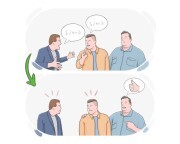
to remain loyal to or supportive of someone, particularly during a hard time
pozostać lojalnym wobec, wspierać
Członkowie rodziny często stoją przy sobie w dobrej i złej doli.
an opinion or decision that is formed based on one's belief or circumstances
punkt widzenia, stanowisko

something that is expressed through things one says or writes
oświadczenie, stwierdzenie
an unofficial test of opinion that includes a number of people who give their opinion about something or say whether or not they intend to participate in an election
nieformalna ankieta, głosowanie przez podniesienie ręki
Nieformalna sondażowa ankieta pomogła komitetowi zrozumieć ogólną opinię na ten temat.
(in the plural) people in general, often as a source of information, gossip, or rumors
to co mówią ludzie
in a firm, determined, or passionate way, used when expressing opinions, etc.
stanowczo, z pasją
Mówił stanowczo na rzecz reform.
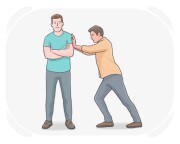
In a way that shows firm resistance to change in opinion, behavior, or decision
uparcie
Uparcie unikał proszenia o pomoc, chociaż wyraźnie jej potrzebował.
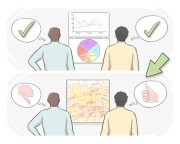
based on or influenced by personal feelings or opinions rather than facts
subiektywny, osobisty
Ocena sztuki abstrakcyjnej może być subiektywna, a widzowie interpretują znaczenie inaczej w oparciu o własne doświadczenia.
the state of being affected by personal opinions and feelings instead of facts and statistics
subiektywność
Jego interpretacja powieści była pod wpływem jego własnej subiektywności, co czyniło ją wyjątkową, ale nie powszechnie akceptowaną.
in a way that reflects a person's personal opinions, feelings, or experiences
subiektywnie
Oceniła argument subiektywnie, skupiając się na tym, jak się przez to czuła.

to mention an idea, proposition, plan, etc. for further consideration or possible action
sugerować, proponować

the act of putting an idea or plan forward for someone to think about
sugestia, propozycja
to shift or cause to shift from one opinion, mood, etc. to another
zmieniać, zmienić
a noticeable shift from one opinion, position, or state to another
zmiana, zwrot
a characteristic pattern of attitudes, behavior, or qualities associated with a particular type of person or situation
syndrom, skłonność
