
Comportamento e Abordagem - Não Prestando Atenção
Domine expressões idiomáticas em inglês que se referem a não prestar atenção, como "asleep at the wheel" e "brown study".
Revisar
Flashcards
Quiz
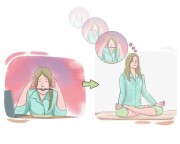
to distract someone's attention or thoughts away from something, typically something stressful, worrisome, or unpleasant

tirar a cabeça de algo, distrair-se de algo
Nada conseguia tirar-lhe a cabeça da criança desaparecida.

a state in which one is very deep in thought and not aware of one's surroundings
ficar absorto em pensamentos, estar perdido em pensamentos
Não lhe perguntes agora; ele está outra vez perdido em pensamentos.
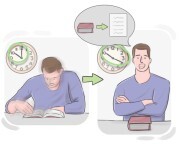
to examine a thing or person very quickly
dar uma vista de olhos rápida, olhar por alto
A enfermeira deu uma vista de olhos rápida à criança para se certificar de que não havia nódoas negras.
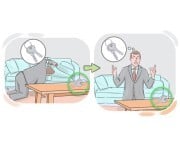
said to mean that what a person is searching for is right where they are, but they have failed to notice it
estava mesmo à tua frente, estava à vista, mas não reparaste
Procurei na prateleira durante dez minutos, e o livro estava mesmo ali; estava mesmo à minha frente.

used to tell someone that the zipper of their pants is open
tens a braguilha aberta, vê lá a braguilha
A frase tens a braguilha aberta é uma forma discreta de poupar alguém a uma vergonha.

used to say that a person is thinking about things that are unrealistic or impractical
andar com a cabeça nas nuvens, viver fora da realidade
Andei com a cabeça nas nuvens a manhã toda e esqueci-me do compromisso.

lost in thought or mentally distracted
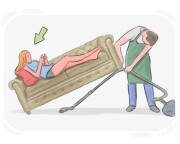
not paying attention or not doing one's job properly, often resulting in mistakes or negative consequences
estar desatento, não fazer o trabalho como deve ser
Um email perdido é perdoável, mas o departamento inteiro estava desatento.
to listen to someone or something without giving full attention, often because one is distracted or occupied with something else
used to describe someone becoming visibly bored, uninterested, or unable to concentrate, especially while listening to something lengthy or complicated
to lose track of the main idea, argument, or sequence of events in a conversation, explanation, or thought process
