Cambridge English: CAE (C1 Advanced) - Biologie, Genetică și Procese Vitale
Învață vocabular CAE avansat pentru biologie, genetică și procese vitale, inclusiv celule, ereditate, reproducere, adaptare, organisme și dezvoltare biologică.
Revizuire
Fișe de studiu
Ortografie
Chestionar
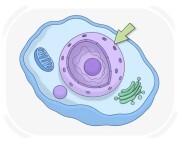
(biology) the part of a cell that contains most of the genetic information

nucleu, nucleus

the chemical processes through which food is changed into energy for the body to use
metabolism, funcționare metabolică
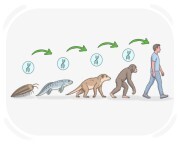
related to evolution or the slow and gradual development of something
evoluționist
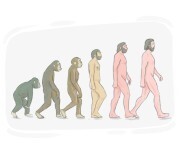
the process by which populations of living organisms change genetically across successive generations
evoluție, evoluție biologică

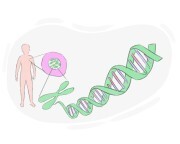
the complete set of genetic material of any living thing
genom
Genomul uman este format din aproximativ 3 miliarde de perechi de baze ADN, codificând toate informațiile necesare pentru dezvoltarea și funcționarea umană.
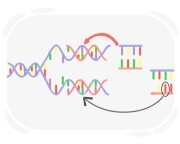
(biology) a change in the structure of the genes of an individual that causes them to develop different physical features
mutație, modificare genetică
Oamenii de știință studiază mutația responsabilă pentru rezistența la secetă a anumitor plante.

an unhatched or unborn offspring in the process of development, especially a human offspring roughly from the second to the eighth week after fertilization
embrion, făt
În timpul primului trimestru, embrionul uman suferă o diviziune celulară rapidă și diferențiere pentru a forma organele esențiale.
an animal or plant with parents that belong to different breeds or varieties
hibrid, încrucișare
Fermierul a expus cu mândrie noul său hibrid, o încrucișare între un Brahman și un Angus, care combina cele mai bune trăsături ale ambelor rase de bovine.
a cell or a group of cells created through a natural or artificial process from a source that they are genetically identical to
clonă, clonare
Oamenii de știință au observat comportamentul clonului bacterian pentru a înțelege cum ar răspunde la diferite antibiotice.
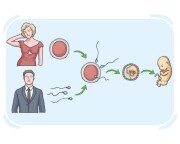
to produce offspring or new individuals of the same kind
se reproduce
something that causes or prompts a physical, psychological, or behavioral response
stimul, excitație
the production of a substance through chemical or biological reactions
sinteză, sinteză chimică

the organic process through which a plant produces flowers
înflorire, înmugurire
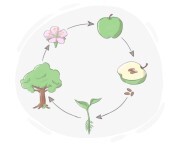
all the different stages of grow and development of a living organism
ciclu de viață, ciclu biologic
Ciclul de viață al unui fluture include patru etape principale.
to become limp or droopy, usually due to lack of water or loss of vitality
ofili, atârna
Florile s-au ofilit sub soarele arzător în timp ce așteptau o băutură mult necesară.
the total amount of time that an organism, person, or object is alive or able to function
durata de viață, speranță de viață
to receive a physical or mental characteristic genetically from a parent or ancestor
moșteni, ereda
the duration between conception and birth during which an embryo or fetus develops in the uterus
perioada de gestație, durata gestației
La oameni, perioada de gestație durează în medie aproximativ 40 de săptămâni de la concepție până la naștere.

any tube structure inside the body through which blood can circulate, such as a vein, artery, etc.
vas de sânge, vas
Chirurgul a reparat cu atenție vasul de sânge deteriorat pentru a restabili circulația corespunzătoare.
the flowing blood in a circulatory system, moving through vessels to transport oxygen, nutrients, and waste products throughout the body
flux sanguin, circulația sanguină
Injectia de antibiotic a administrat medicamentul direct în sângele pacientului, accelerând recuperarea.
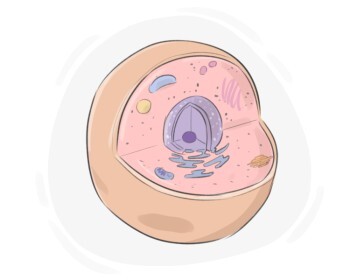
an organism's smallest unit, capable of functioning on its own
celulă
relating to or consisting of cells, the basic structural units of living organisms or systems
celular, referitor la celule
Corpul uman este format din trilioane de unități celulare, fiecare îndeplinind funcții specifice.
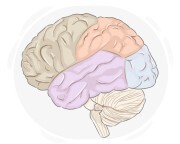
(anatomy) the outer layer of the anterior part of the brain, called cerebrum, containing gray matter
cortex, cortexul cerebral
Cortexul cerebral este stratul exterior al creierului responsabil de funcțiile cognitive superioare, cum ar fi gândirea, memoria și percepția.
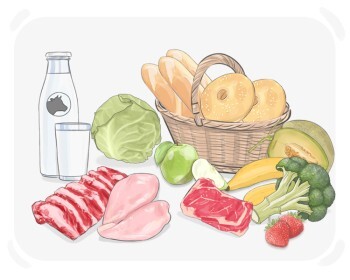
a substance such as a vitamin, protein, fat, etc. that is essential for good health and growth
nutrient, substanță nutritivă
Nutrienții precum fibrele ajută la digestie.
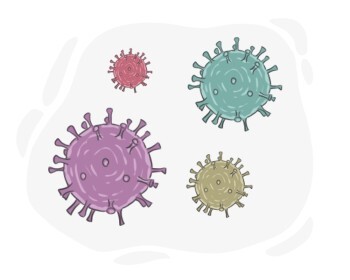
any organism that can cause diseases
patogen, agent patogen
Testele de laborator au confirmat prezența unui patogen bacterian responsabil de intoxicația alimentară severă a pacientului.
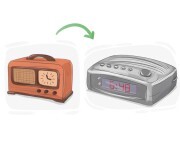
to develop or change gradually over time into a different form
the process of taming wild animals and developing them into pets or livestock through selective breeding and husbandry
domesticire, îmblânzire
Arheologii cred că domesticirea câinilor a început când lupii antici căutau hrană lângă taberele umane.
related to the heart and blood vessels
cardiovascular
Bolile cardiovasculare sunt una dintre principalele cauze de deces la nivel mondial, incluzând afecțiuni precum infarctul miocardic și accidentul vascular cerebral.