
Cambridge English: CAE (C1 Advanced) - Biologie, Genetika a Životní Procesy
Naučte se pokročilou slovní zásobu CAE pro biologii, genetiku a životní procesy, včetně buněk, dědičnosti, reprodukce, adaptace, organismů a biologického vývoje.
Revize
Kartičky
Pravopis
Kvíz
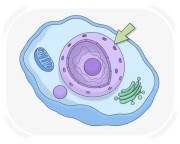
(biology) the part of a cell that contains most of the genetic information

jádro, nukleus
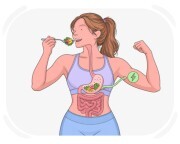
the chemical processes through which food is changed into energy for the body to use
metabolismus, látková výměna
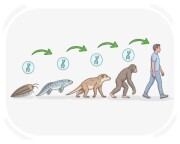
related to evolution or the slow and gradual development of something
evoluční
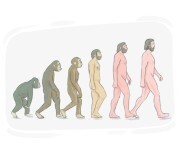
the process by which populations of living organisms change genetically across successive generations
evoluce, biologická evoluce

the complete set of genetic material of any living thing
genom
Pokroky v technologiích úpravy genomu, jako je CRISPR, umožňují vědcům přesně upravovat genetický materiál organismů pro výzkumné a terapeutické účely.
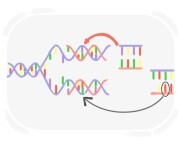
(biology) a change in the structure of the genes of an individual that causes them to develop different physical features
mutace, genetická změna
Ryba vykazovala jedinečný tvar ploutve, který byl později identifikován jako výsledek genetické mutace.
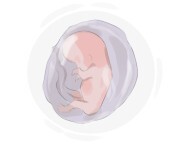
an unhatched or unborn offspring in the process of development, especially a human offspring roughly from the second to the eighth week after fertilization
embryo, zárodek
Etické debaty často vznikají kolem používání lidských embryí ve výzkumu kmenových buněk a lékařské léčbě.
an animal or plant with parents that belong to different breeds or varieties
hybrid, kříženec
Vlastník vinice představil novou hybridní odrůdu hroznů ve své sbírce, která vytvořila jedinečný chuťový profil ideální pro výrobu vína.
a cell or a group of cells created through a natural or artificial process from a source that they are genetically identical to
klon, klonování
Použitím klonu imunitních buněk chtěli výzkumníci vyvinout účinnější léčbu onemocnění.
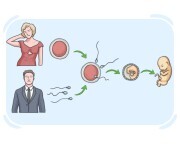
to produce offspring or new individuals of the same kind
rozmnožovat se
something that causes or prompts a physical, psychological, or behavioral response
the production of a substance through chemical or biological reactions
syntéza, syntetizace

the organic process through which a plant produces flowers
kvetení, rozvití
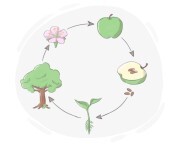
all the different stages of grow and development of a living organism
životní cyklus, biologický cyklus
Životní cyklus savců začíná narozením a končí smrtí.
to become limp or droopy, usually due to lack of water or loss of vitality
uvadat, sklánět se
Když šéfkuchař připravoval salát, všiml si, že listy špenátu začínají vadnout, a rychle přidal dresink, aby je oživil.
the total amount of time that an organism, person, or object is alive or able to function
délka života, životnost
to receive a physical or mental characteristic genetically from a parent or ancestor
zdědit, dědit
the duration between conception and birth during which an embryo or fetus develops in the uterus
období těhotenství, délka těhotenství
Porodníci používají ultrazvuková měření a data poslední menstruace k odhadu gestačního věku těhotné ženy po celou dobu těhotenství.

any tube structure inside the body through which blood can circulate, such as a vein, artery, etc.
krevní céva, céva
Síť krevních cév těla je nezbytná pro dodávání živin a kyslíku do každé buňky.
the flowing blood in a circulatory system, moving through vessels to transport oxygen, nutrients, and waste products throughout the body
krevní oběh, proudění krve
Chronické kouření umožňuje toxickým sloučeninám hromadit se v krevním oběhu a poškozovat životně důležité orgány.
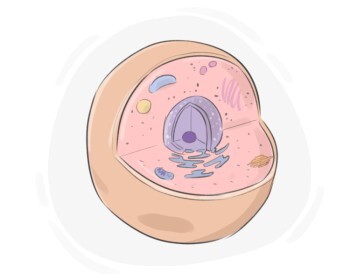
an organism's smallest unit, capable of functioning on its own
buňka
relating to or consisting of cells, the basic structural units of living organisms or systems
buněčný, vztahující se k buňkám
Buněčná komunikace je nezbytná pro koordinaci funkcí v mnohobuněčných organismech.
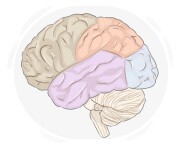
(anatomy) the outer layer of the anterior part of the brain, called cerebrum, containing gray matter
kortex, mozková kůra
Somatosenzorická kůra, umístěná v parietálním laloku, přijímá a zpracovává smyslové informace z kůže, svalů a kloubů.
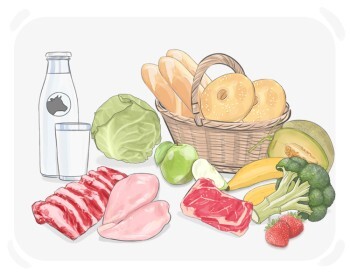
a substance such as a vitamin, protein, fat, etc. that is essential for good health and growth
živina, výživná látka
Nedostatek určitých živin může vést ke zdravotním problémům.
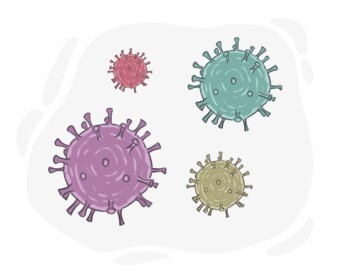
any organism that can cause diseases
patogen, původce nemoci
Patogen zodpovědný za malárii je přenášen na člověka kousnutím infikovaného komára.
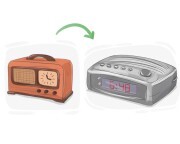
to develop or change gradually over time into a different form
the process of taming wild animals and developing them into pets or livestock through selective breeding and husbandry
zdomácnění, zkrocení
Naši zahradní králíci sahají až ke středověké domestikaci evropských zajíců pro maso a srst.
related to the heart and blood vessels
kardiovaskulární
Hypertenze neboli vysoký krevní tlak je běžný kardiovaskulární stav, který může zvýšit riziko infarktu a mrtvice.
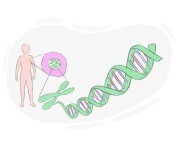
(genetics) a basic unit of heredity and a sequence of nucleotides in DNA that is located on a chromosome in a cell and controls a particular quality
gen, genetická jednotka
