
Cambridge English: CAE (C1 Advanced) - Biyolohiya, Henetika at mga Proseso ng Buhay
Matuto ng advanced na bokabularyo ng CAE para sa biology, genetics, at mga proseso ng buhay, kabilang ang mga selula, pagmamana, pagpaparami, adaptasyon, organismo, at biyolohikal na pag-unlad.
Repasuhin
Flashcards
Pagbaybay
Pagsusulit
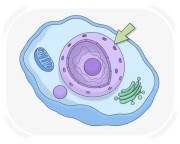
(biology) the part of a cell that contains most of the genetic information

nukleo, nucleus
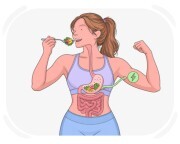
the chemical processes through which food is changed into energy for the body to use
metabolismo, prosesong metaboliko
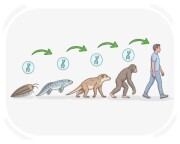
related to evolution or the slow and gradual development of something
ebolusyonaryo
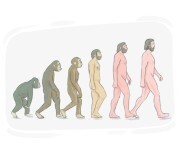
the process by which populations of living organisms change genetically across successive generations
ebolusyon, ebolusyong biyolohikal

the complete set of genetic material of any living thing
henoma
Ang genome ng tao ay binubuo ng humigit-kumulang 3 bilyong base pairs ng DNA, na nag-e-encode ng lahat ng impormasyong kailangan para sa pag-unlad at paggana ng tao.
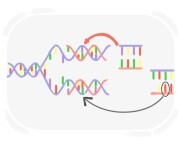
(biology) a change in the structure of the genes of an individual that causes them to develop different physical features
mutasyon, pagbabago sa genetiko
Pinag-aaralan ng mga siyentipiko ang mutation na responsable sa pagbibigay ng drought resistance sa ilang mga halaman.
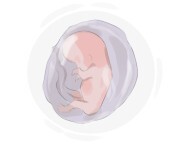
an unhatched or unborn offspring in the process of development, especially a human offspring roughly from the second to the eighth week after fertilization
embryo, sanggol
Sa unang trimester, ang embryo ng tao ay sumasailalim sa mabilis na paghahati ng selula at pag-iiba upang mabuo ang mahahalagang organo.
an animal or plant with parents that belong to different breeds or varieties
halo, hybrid
Ipinagmalaki ng magsasaka ang kanyang bagong hybrid, isang krus sa pagitan ng isang Brahman at isang Angus, na pinagsama ang pinakamahusay na katangian ng parehong lahi ng baka.
a cell or a group of cells created through a natural or artificial process from a source that they are genetically identical to
klon, pagkaklon
Sinuri ng mga siyentipiko ang pag-uugali ng clone ng bakterya upang maunawaan kung paano ito tutugon sa iba't ibang antibiotics.
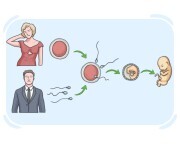
to produce offspring or new individuals of the same kind
magparami
something that causes or prompts a physical, psychological, or behavioral response
stimulus, pampasigla
the production of a substance through chemical or biological reactions
synthesis, pagbubuo

the organic process through which a plant produces flowers
pamamulaklak, pagbubukang-taqp
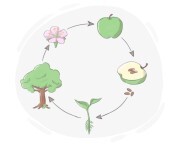
all the different stages of grow and development of a living organism
ikot ng buhay, biyolohikal na ikot
Ang life cycle ng isang paru-paro ay may apat na pangunahing yugto.
to become limp or droopy, usually due to lack of water or loss of vitality
malanta, lumanta
Ang mga bulaklak ay nalanta sa nakapapasong araw habang naghihintay ng isang inuming lubhang kailangan.
the total amount of time that an organism, person, or object is alive or able to function
habang-buhay, buhay
to receive a physical or mental characteristic genetically from a parent or ancestor
magmana, mamana
the duration between conception and birth during which an embryo or fetus develops in the uterus
panahon ng pagbubuntis, tagal ng pagbubuntis
Sa mga tao, ang panahon ng pagbubuntis ay tumatagal nang humigit-kumulang 40 linggo mula sa paglilihi hanggang sa kapanganakan.

any tube structure inside the body through which blood can circulate, such as a vein, artery, etc.
daluyan ng dugo, daluyan
Maingat na inayos ng siruhano ang nasirang dugong daluyan upang maibalik ang tamang sirkulasyon.
the flowing blood in a circulatory system, moving through vessels to transport oxygen, nutrients, and waste products throughout the body
daloy ng dugo, sirkulasyon ng dugo
Ang iniksyon ng antibiotic ay naghatid ng gamot nang direkta sa daloy ng dugo ng pasyente, na nagpapabilis sa paggaling.
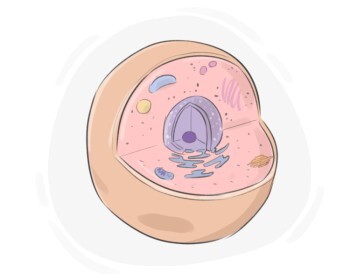
an organism's smallest unit, capable of functioning on its own
selula
relating to or consisting of cells, the basic structural units of living organisms or systems
selular, may kaugnayan sa mga selula
Ang katawan ng tao ay binubuo ng trilyon-trilyong selular na mga yunit, bawat isa ay gumaganap ng mga tiyak na function.
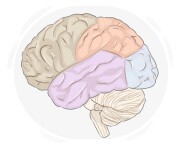
(anatomy) the outer layer of the anterior part of the brain, called cerebrum, containing gray matter
kortex, utak na korteks
Ang cortex ng utak ay ang panlabas na layer ng utak na responsable para sa mas mataas na cognitive functions tulad ng pag-iisip, memorya, at persepsiyon.
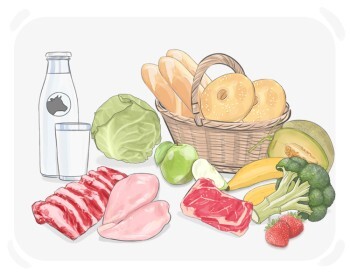
a substance such as a vitamin, protein, fat, etc. that is essential for good health and growth
nutriyente, sustansyang nakapagpapalusog
Ang nutrient tulad ng fiber ay tumutulong sa pagtunaw.
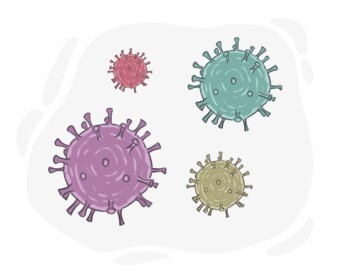
any organism that can cause diseases
pathogen, sanhi ng sakit
Kinumpirma ng mga pagsubok sa laboratoryo ang presensya ng isang bacterial pathogen na responsable sa malubhang pagkalason sa pagkain ng pasyente.

to develop or change gradually over time into a different form
the process of taming wild animals and developing them into pets or livestock through selective breeding and husbandry
pag-aalaga, pagtatanim
Naniniwala ang mga arkeologo na ang pag-aalaga ng mga aso ay nagsimula nang ang mga sinaunang lobo ay nangangalakal malapit sa mga kampo ng tao.
related to the heart and blood vessels
kardyobaskular
Ang sakit sa puso at mga daluyan ng dugo ay isang nangungunang sanhi ng kamatayan sa buong mundo, na kinabibilangan ng mga kondisyon tulad ng atake sa puso at stroke.
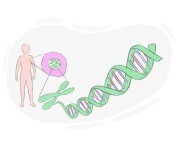
(genetics) a basic unit of heredity and a sequence of nucleotides in DNA that is located on a chromosome in a cell and controls a particular quality
hen, yunit ng pagmamana
