pattern

Animale - Reproducerea animalelor

Aici vei învăța câteva cuvinte despre reproducerea animalelor în engleză, cum ar fi "spawn", "hatch" și "larva".

Revizuire

Fișe de studiu

forme

Ortografie

Chestionar
Începe să înveți
Words Related to Animals
fecundity
fecundity
[substantiv]

the ability of a living organism to produce a large number of offspring or viable eggs or seeds

fecunditate, fertilitate

fecunditate, fertilitate

Închide
Conectare
asexuality
asexuality
[substantiv]

a sexual orientation characterized by a lack of sexual attraction or desire for sexual activity

asexualitate, asexualism

asexualitate, asexualism

Închide
Conectare
asexual reproduction

a type of reproduction where a single organism can produce offspring without the involvement of another organism

reproducere asexuată
reproducere asexuată

Închide
Conectare
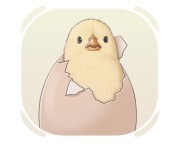
to hatch
to hatch
[verb]

(of birds, fish, etc.) to come out of an egg

a ieși din ou

a ieși din ou

Ex: The biologist carefully observed as the baby alligators began to hatch in the nest. 

Biologul a observat atent în timp ce puișorii de aligator începeau să eclozeze în cuib.

Închide
Conectare
breeding
breeding
[substantiv]

the controlled reproduction of animals or plants, especially to produce offspring with desired characteristics

creștere
creștere

Ex: Selective breeding has produced many different varieties of wheat. 
Închide
Conectare
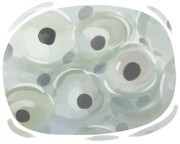
spawn
spawn
[substantiv]

the eggs that an aquatic animal or an amphibian lays and are covered with a transparent layer

icre, depunerea icrelor
icre, depunerea icrelor

Închide
Conectare
to lay
to lay
[verb]

(of a bird, insect, fish, etc.) to produce eggs

ouă, depune
ouă, depune

Ex: Each year, the sea turtle returns to the same beach to lay its eggs in the sand. 
Închide
Conectare
to breed
to breed
[verb]

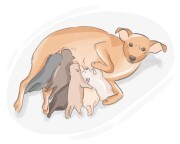
(of an animal) to have sex and give birth to young

a se reproduce, a procrea
a se reproduce, a procrea

Ex: Our dog recently bred with a neighbor's dog, and now we're expecting puppies. 
Închide
Conectare
larva
larva
[substantiv]

a young form of an insect or an animal that has come out of the egg but has not yet developed into an adult

larvă

larvă

Ex: The larva fed on leaves before forming a pupa. 
Închide
Conectare
to fertilize

to introduce male reproductive cells into the female reproductive system for reproduction

fertiliza,  îngrășa

fertiliza, îngrășa

Ex: The veterinarian helped fertilize the cow through artificial insemination. 

Veterinarul a ajutat la fertilizarea vacii prin inseminare artificială.
Închide
Conectare
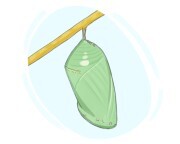
chrysalis
chrysalis
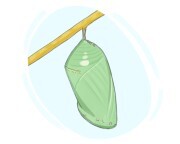
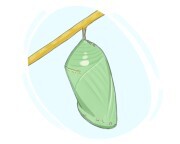
[substantiv]

the stage of the metamorphosis that comes between the larval and adult stages of a moth or butterfly

crizalidă, pupă

crizalidă, pupă

Închide
Conectare
androgen
androgen
[substantiv]

a male sex hormone, such as testosterone, that is responsible for the development and maintenance of male characteristics in humans and animals

androgen, hormon masculin
androgen, hormon masculin

Închide
Conectare
to mate
to mate
[verb]

to have sex in order to reproduce, especially of animals

se împerechea, copula
se împerechea, copula

Ex: Wolves usually mate during the winter months. 
Închide
Conectare
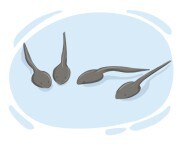
tadpole
tadpole
[substantiv]

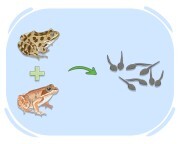
an amphibian in the larval stage

mormoloc, larvă de broască

mormoloc, larvă de broască

Ex: The tadpole swam near the edge of the pond. 
Închide
Conectare
fertilization
fertilization
[substantiv]

the union of a sperm and an egg to form a zygote, which marks the beginning of sexual reproduction in organisms

fertilizare

fertilizare

Închide
Conectare
pedigree
pedigree
[substantiv]

the recorded lineage or ancestry of a purebred animal, used to verify its breeding

pedigree, genealogie

pedigree, genealogie

Ex: The puppy came with a full pedigree tracing back five generations. 

Cățelul a venit cu un pedigree complet care se întoarce cinci generații în urmă.

Închide
Conectare
to spay
to spay
[verb]

to remove the sexual organs of a female animal, called ovaries

steriliza,  castra

steriliza, castra

Ex: It's important to spay female dogs to reduce the risk of certain health issues. 

Este important să sterilizați cățelele pentru a reduce riscul anumitor probleme de sănătate.

Închide
Conectare
barrenness
barrenness
[substantiv]

the inability of a person, animal or plant to reproduce

sterilitate, infertilitate

sterilitate, infertilitate

Închide
Conectare
breeder
breeder
[substantiv]

a person or animal that produces offspring through reproduction

crescător, reproducător

crescător, reproducător

Închide
Conectare
to crossbreed

to make an animal or plant breed with a different type

încrucișa, hibridiza

încrucișa, hibridiza

Ex: The breeder crossbred a poodle and a schnauzer to create a new dog breed. 

Crescătorul a încrucișat un pudel și un schnauzer pentru a crea o nouă rasă de câine.

Închide
Conectare
to neuter
to neuter
[verb]

to remove the sex organs of a domestic animal in order to keep it from reproduction

steriliza, castra

steriliza, castra

Ex: It's a common practice to neuter farm animals to manage their populations. 

Este o practică obișnuită de a steriliza animalele de fermă pentru a gestiona populațiile lor.
Închide
Conectare
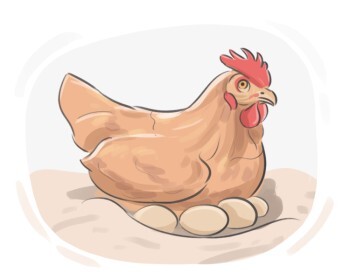
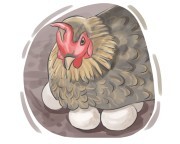
broody
broody
[substantiv]

a hen that sits on her eggs with the intention of hatching them

găină clocește, găină care stă pe ouă pentru a le cloci

găină clocește, găină care stă pe ouă pentru a le cloci

Închide
Conectare
to incubate

to keep an egg in a favorable condition to help it develop until it hatches

incuba, cloci

incuba, cloci

Ex: The mother hen incubated her eggs in the cozy nest she had made. 

Găina mamă a clocit ouăle în cuibul confortabil pe care l-a făcut.
Închide
Conectare
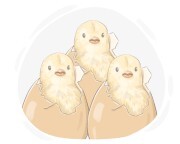
brood
brood
[substantiv]

all the young of a bird hatched at the same time, or the young of an animal cared for together

clocă, progenitură

clocă, progenitură

Ex: The mother hen clucked softly to her brood of chicks, guiding them to a patch of grass for foraging. 

Găina mamă a cotcodăcit ușor la puii ei, ghindu-i spre o bucată de iarbă pentru a se hrăni.

Închide
Conectare
frogspawn
frogspawn
[substantiv]

the eggs laid by a frog, covered in a jelly-like mucus

icre de broască, depunere de ouă de broască
icre de broască, depunere de ouă de broască

Închide
Conectare
to calve
to calve
[verb]

to give birth to a calf (a young bovine animal)

făta un vițel

făta un vițel

Închide
Conectare
grub
grub
[substantiv]

the young wormlike larva of an insect

larvă, vierme

larvă, vierme

Ex: The grub’s presence indicated that the soil was rich and healthy. 

Prezența larvei indica faptul că solul era bogat și sănătos.

Închide
Conectare
pupa
pupa
[substantiv]

an insect which is in an inactive transitory stage of its metamorphosis, between the larval and adult stages

pupă, crizalidă

pupă, crizalidă

Închide
Conectare
to farrow
to farrow
[verb]

to give birth to a litter of piglets

făta (un rând de purcei),  aduce pe lume (un rând de purcei)
făta (un rând de purcei), aduce pe lume (un rând de purcei)

Închide
Conectare
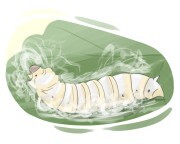
silkworm
silkworm
[substantiv]

the caterpillar of a silk moth that forms a cocoon during metamorphosis, which is later processed into silk

vierme de mătase, bombyx mori

vierme de mătase, bombyx mori

Închide
Conectare
barren
barren
[adjectiv]

unable to bear offspring

steril, infecund

steril, infecund

Ex: The couple was saddened to learn that she was barren. 

Cuplul a fost întristat să afle că este sterilă.

Închide
Conectare
polliwog
polliwog
[substantiv]

an amphibian in larval stage; a tadpole

mormoloc, larvă de broască

mormoloc, larvă de broască

Ex: The polliwog swam among the plants near the edge of the pond. 
Închide
Conectare
to foal
to foal
[verb]

to produce or to give birth to a young horse or pony

a făta un mânz, a da naștere unui mânz

a făta un mânz, a da naștere unui mânz

Ex: The mare foaled during the night in a quiet stall. 
Închide
Conectare
gamete
gamete
[substantiv]

(biology) a mature sex cell with a single set of chromosomes that fuses with another gamete during fertilization

gamet,  celulă sexuală

gamet, celulă sexuală

Ex: Each gamete carries half the genetic information needed for a new organism. 
Închide
Conectare
to gestate

to carry a developing embryo or fetus inside the uterus of a female mammal until it is ready to be born

gesta, a purta un embrion sau făt în dezvoltare

gesta, a purta un embrion sau făt în dezvoltare

Închide
Conectare
hermaphrodite
hermaphrodite
[substantiv]

an organism that has both male and female reproductive organs

hermafrodit, androgin

hermafrodit, androgin

Închide
Conectare
to impregnate

to fertilize an egg and make it capable of developing into an embryo

fecunda, impregna

fecunda, impregna

Ex: In many species of fish, external fertilization occurs when males release sperm into the water to impregnate eggs released by females. 

La multe specii de pești, fertilizarea externă are loc atunci când masculii eliberează spermă în apă pentru a fertiliza ouăle eliberate de femele.

Închide
Conectare
to lamb
to lamb
[verb]

to give birth to a lamb, usually used in reference to sheep

naște un miel, făta un miel
naște un miel, făta un miel

Ex: Most of the ewes lamb during the early spring. 
Închide
Conectare
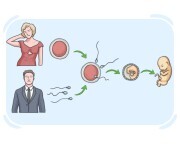
to procreate

to produce offspring sexually, typically involving the union of male and female reproductive cells

a procrea, a se înmulți

a procrea, a se înmulți

Ex: Humans procreate through sexual reproduction, combining male and female reproductive cells. 

Oamenii procrează prin reproducere sexuală, combinând celulele reproductive masculine și feminine.

Închide
Conectare
to reproduce

to produce offspring or new individuals of the same kind

se reproduce

se reproduce

Ex: Rabbits can reproduce several times a year. 
Închide
Conectare
to whelp
to whelp
[verb]

to give birth to puppies or young dog

făta, naște căței

făta, naște căței

Ex: The dog whelped during the night and produced six healthy puppies. 
Închide
Conectare
bloodline
bloodline
[substantiv]

the ancestry or lineage of a purebred animal, often emphasizing pedigree or genetic quality

linie de sânge, neam

linie de sânge, neam

Ex: The champion dog comes from a distinguished bloodline. 

Câinele campion provine dintr-o linie de sânge deosebită.

Închide
Conectare
to couple
to couple
[verb]

to engage in sexual reproduction or mating

se împerechea, se reproduce

se împerechea, se reproduce

Ex: In the wild, wolves couple for life, forming strong bonds with their mates. 
Închide
Conectare
to rut
to rut
[verb]

to go through a period of sexual activity or sexual aggression, especially in certain animals during their mating season

a fi în călduri, a intra în călduri

a fi în călduri, a intra în călduri

Închide
Conectare
incubation period
incubation period
[substantiv]

the time between exposure to a pathogen and the onset of symptoms

perioada de incubație, timp de incubație

perioada de incubație, timp de incubație

Închide
Conectare
to sire
to sire
[verb]

to beget, procreate, or father offspring, typically used in reference to male animals

a genera, a procrea

a genera, a procrea

Închide
Conectare
to inseminate

to introduce semen into the reproductive system, often by artificial means

insemina

insemina

Închide
Conectare
sperm
sperm
[substantiv]

(biology) the male reproductive cell that fertilizes the female egg

spermatozoid,  spermă
spermatozoid, spermă

Ex: A single sperm fuses with an egg to create a new organism. 
Închide
Conectare
estrus
estrus
[substantiv]

the recurring period of sexual receptivity and fertility in female mammals

estr, călduri

estr, călduri

Închide
Conectare
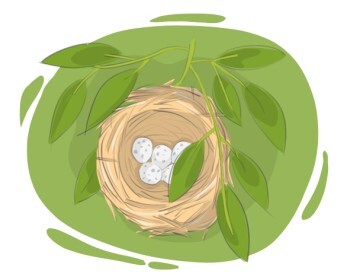
egg
egg
[substantiv]

an oval or rounded object laid by birds, reptiles, fish, or certain invertebrates as part of their reproductive process

ou, ovul

ou, ovul

Ex: Sarah was excited to watch the baby chicks hatch from their eggs. 
Închide
Conectare
LanGeek
Descarcă aplicația LanGeek
