
Cambridge English: CAE (C1 Advanced) - Социальное Неравенство и Основные Проблемы
Изучите продвинутую лексику CAE по социальному неблагополучию и основным социальным проблемам, включая неравенство, бедность, исключение, трудности, дискриминацию и доступ к возможностям.
Обзор
Флэш-карточки
Правописание
Тест

(of a place or building) in a very poor condition, often due to negligence

полуразрушенный
Старый обветшалый отель отчаянно нуждался в ремонте.
the inability to read and write
неграмотность
Взрослая неграмотность в регионе затрудняла жителям заполнение официальных форм.
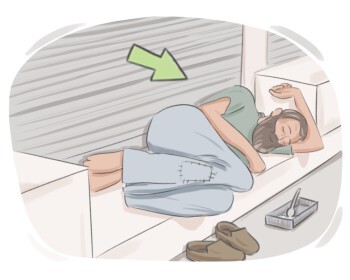
people who lack stable housing and so live on the streets
бездомность
Организация предоставляет услуги поддержки для бездомных в этом районе.
violent or disruptive behavior that disturbs public peace or order
беспорядок, беспорядки
to cause or increase the occurrence of criminal activity, often by creating conditions that encourage it

not suitable or capable enough for a specific task or purpose
непригодный, неспособный
Его устаревший компьютер был непригоден для запуска последних программных обеспечений.
a child for whom the street is the habitual place of residence or primary source of livelihood
беспризорник, ребёнок улицы
НПО управляет дневными центрами, где беспризорный ребёнок может получить еду, помыться и базовую медицинскую помощь.
an officially recognized income threshold that separates those considered to have sufficient resources from those judged to lack the minimum income needed to meet basic needs
черта бедности, порог бедности
Доход семьи упал ниже черты бедности после того, как основной кормилец потерял работу.
to encourage someone to commit a crime or act violently
подстрекать
Его безрассудная речь, казалось, подстрекала к насилию среди протестующих.
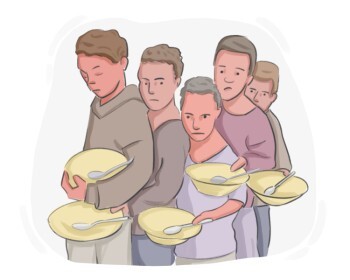
a situation where there is not enough food that causes hunger and death
голод
Многие дети остались сиротами в результате голода.
lacking essential non-material needs, such as support, love, or community
лишенный
Современное общество лишено подлинных общественных связей.
the social or economic edge of a community, where individuals or groups are excluded from full participation or opportunity
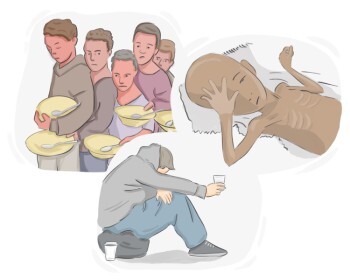
a state of being exceedingly poor and in need
нищета, нужда
Он вырос в нищете, борясь за удовлетворение основных потребностей.
to sleep outdoors or in a place that is not intended for accommodation, such as on the streets or in a park, usually without proper bedding or shelter
спать в неудобных условиях
a violent and disorderly public disturbance involving a group of people
беспорядки
to suddenly and dramatically start, often in a surprising or intense way
вспыхнуть
Спор разразился ниоткуда, застав всех врасплох.
the state of being shut out from full participation in society due to poverty, discrimination, or lack of access to services, rights, or opportunities
hostile toward accepted social standards, laws, or communal order
антисоциальный, асоциальный
Антисоциальное поведение вандалов повредило несколько витрин и встревожило соседних жителей.
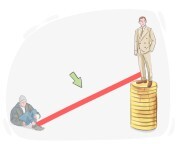
an informal threshold of income that marks the level at which a person or household is regarded as very poor or barely able to afford basic necessities
черта бедности, прожиточный минимум
Многие семьи живут за чертой бедности.
to survive with just enough money or resources to meet immediate needs, without saving or planning for the future
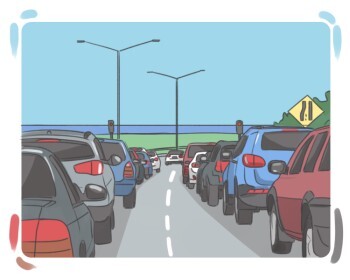
a state of being overcrowded or blocked, particularly in a street or road
Дорожный затор
На шоссе во время часа пик была сильная пробка.
a situation in which traffic is so heavily congested that movement is virtually impossible
затор
Центр города был в полном заторе после того, как авария заблокировала все полосы.
lacking the basic necessities of life
обездоленный, неимущий
Обездоленные дети не имели доступа к надлежащему питанию и образованию.
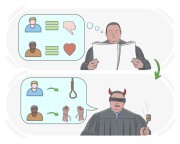
holding opinions or judgments influenced by personal bias rather than objective reasoning
предвзятый, расположенный
Его обзор был предвзятым, несправедливо благоволя к работе его друга.
a political situation in which there is anger among the people and protests are likely
беспорядки, волнения
Решение правительства вызвало широкомасштабные беспорядки по всей стране.
a physical location known for frequent danger, accidents, or problems
черное пятно, опасная зона
Вход в туннель теперь отмечен как черная точка.
