
Словарный Запас для IELTS (Академический) - Химия
Здесь вы выучите некоторые английские слова по химии, такие как "мышьяк", "катализатор", "дистиллировать" и т. д., которые необходимы для экзамена IELTS.
Обзор
Флэш-карточки
формы
Правописание
Тест


(chemistry) a poisonous white powder used in making glass, pesticides, and weed killers

мышьяк
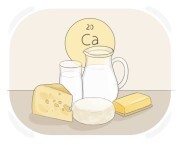
a chemical element, symbol Ca, that is essential for healthy bones and teeth and occurs naturally in many foods and minerals
кальций
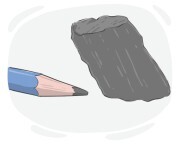
a chemical element present in all living things and in substances such as coal, graphite, and diamond
углерод

a reddish-brown metallic chemical element that conducts heat and electricity well and is widely used in electrical wiring and alloys
медь
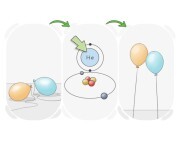
(chemistry) a very light, colorless, inert gas that is the hardest gas to liquefy and is found in natural gas deposits
гелий
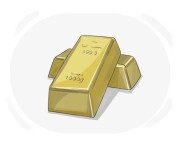
a valuable yellow-colored metal that is used for making jewelry
золото
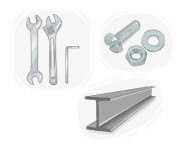
a metallic chemical element with a silvery-gray appearance, widely used for making tools, steel, buildings, and various industrial products
железо
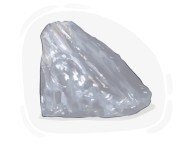
a heavy soft metal, used in making bullets, in plumbing and roofing, especially in the past
свинец
a water-soluble chemical substance that contains Hydrogen and has a sour taste or corrosive feature with a PH less than 7
кислота
(chemistry) a substance that causes a chemical reaction to happen at a faster rate without undergoing any chemical change itself
катализатор
В процессе Габера железо используется в качестве катализатора для содействия синтезу аммиака из газообразного азота и водорода.
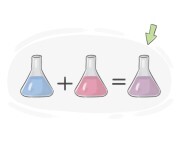
(chemistry) a substance used in or produced by a reaction that changes atoms or molecules
химический
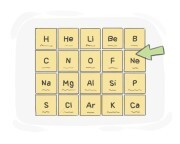
a substance that is composed of only one type of atom, typically characterized by specific physical and chemical properties
элемент
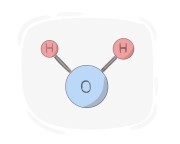
a pure substance formed from two or more chemical elements chemically bonded in fixed proportions
соединение
(chemistry) to combine and form a compound with water molecules
увлажнять
Когда хлорид кальция подвергается воздействию воздуха, он гидратируется, поглощая влагу из атмосферы.
(chemistry) a combination of two or more substances without forming a chemical bond or any chemical reaction
смесь
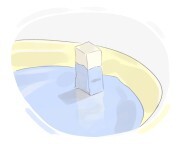
to take in a liquid, gas, or other substance from the surface chemically or physically
адсорбировать
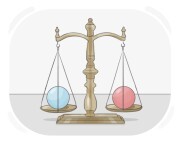
evenly distributed or in a state of stability
сбалансированный
Она придерживалась сбалансированной диеты, состоящей из фруктов, овощей и белков.
(chemistry) to react in a particular way because of the laws
вести себя
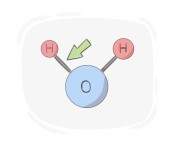
a link that holds atoms or ions together in any molecule or crystal
связь
to increase the rate of a chemical reaction
катализировать
Ферменты играют ключевую роль в живых организмах, поскольку они катализируют биохимические реакции, необходимые для клеточных функций.
a chemical or nuclear process that is self-sustained and its products cause other processes of the same kind
цепная реакция
(chemistry) a process in which several chemicals combine and form different substances
химическая реакция
(chemistry) to lose water molecules during a chemical reaction
обезвоживать
Во время синтеза спиртов молекула алкена реагирует с водой, чтобы добавить группу -OH, одновременно дегидратируясь для образования спиртового продукта.
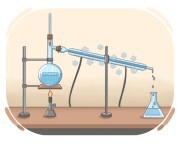
to heat a liquid and turn it into gas then cool it and make it liquid again in order to purify it
дистиллировать
Химик в настоящее время перегоняет раствор, чтобы выделить чистое соединение.
a symbolic representation of a chemical reaction showing reactants and products
уравнение
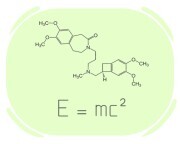
a symbolic representation of a chemical substance using its constituent elements
формула
(chemistry) to become separated from the solvent in a solid form
ускорять
Когда температура упала, растворенные в воде минералы начали осаждаться, образуя отложения на поверхности труб.
the action of keeping something the way it is or in good condition
сохранение
(chemistry) a process in which several chemicals combine and form different substances
реакция
a light silver-gray metal used primarily for making cooking equipment and aircraft parts
алюминий
Новый набор кухонной посуды из алюминия легкий и обладает высокой устойчивостью к коррозии, что делает его идеальным для кухни.
