
Slovní Zásoba pro IELTS (Akademická) - Chemie
Zde se naučíte některá anglická slova o chemii, jako je "arsen", "katalyzátor", "destilovat" atd., Která jsou potřebná pro zkoušku IELTS.
Revize
Kartičky
tvary
Pravopis
Kvíz

(chemistry) a poisonous white powder used in making glass, pesticides, and weed killers

arsen, arzenik
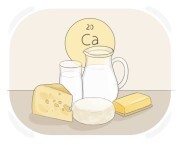
a chemical element, symbol Ca, that is essential for healthy bones and teeth and occurs naturally in many foods and minerals
a chemical element present in all living things and in substances such as coal, graphite, and diamond
uhlík, uhlík

a reddish-brown metallic chemical element that conducts heat and electricity well and is widely used in electrical wiring and alloys
měď, červená měď
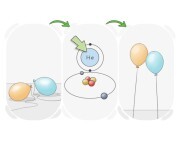
(chemistry) a very light, colorless, inert gas that is the hardest gas to liquefy and is found in natural gas deposits
helium, helium
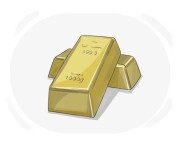
a valuable yellow-colored metal that is used for making jewelry
zlato
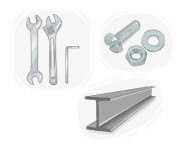
a metallic chemical element with a silvery-gray appearance, widely used for making tools, steel, buildings, and various industrial products
železo, kov
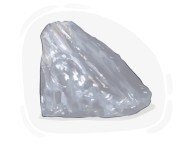
a heavy soft metal, used in making bullets, in plumbing and roofing, especially in the past
olovo, těžký kov
a water-soluble chemical substance that contains Hydrogen and has a sour taste or corrosive feature with a PH less than 7
kyselina, kyselá látka
(chemistry) a substance that causes a chemical reaction to happen at a faster rate without undergoing any chemical change itself
katalyzátor, aktivátor
Enzymy jsou přirozeně se vyskytující biologické katalyzátory, které umožňují složitým metabolickým reakcím účinně probíhat v živých buňkách.
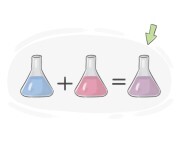
(chemistry) a substance used in or produced by a reaction that changes atoms or molecules
chemikálie
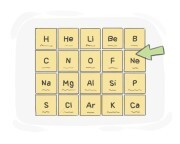
a substance that is composed of only one type of atom, typically characterized by specific physical and chemical properties
prvek, složka
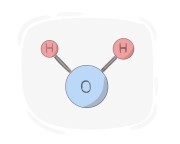
a pure substance formed from two or more chemical elements chemically bonded in fixed proportions
sloučenina
(chemistry) to combine and form a compound with water molecules
hydratovat, kombinovat s molekulami vody
Proces rezivění nastává, když železný kov hydratuje reakcí s kyslíkem a vodní párou ve vzduchu.
(chemistry) a combination of two or more substances without forming a chemical bond or any chemical reaction
směs
to take in a liquid, gas, or other substance from the surface chemically or physically
adsorbovat, vázat adsorpcí
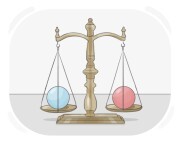
evenly distributed or in a state of stability
vyvážený, stabilní
Terapeut jí pomohl dosáhnout vyváženého emocionálního stavu pomocí technik mindfulness.
(chemistry) to react in a particular way because of the laws
chovat se, reagovat
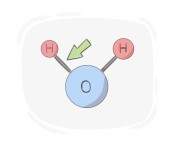
a link that holds atoms or ions together in any molecule or crystal
vazba, spojení
to increase the rate of a chemical reaction
katalyzovat
Některé kovy, jako je palladium a nikl, mohou katalyzovat hydrogenační reakce v organické syntéze.
a chemical or nuclear process that is self-sustained and its products cause other processes of the same kind
řetězová reakce
(chemistry) a process in which several chemicals combine and form different substances
chemická reakce
(chemistry) to lose water molecules during a chemical reaction
dehydratovat, ztratit molekuly vody
Při zahřátí podléhá pentahydrát síranu měďnatého chemické reakci, aby se dehydratoval.
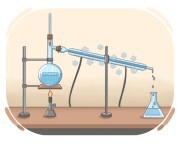
to heat a liquid and turn it into gas then cool it and make it liquid again in order to purify it
destilovat, čistit destilací
Plánem je destilovat dešťovou vodu pro čistý zdroj vody.
a symbolic representation of a chemical reaction showing reactants and products
chemická rovnice, rovnice reakce
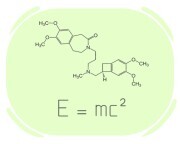
a symbolic representation of a chemical substance using its constituent elements
chemický vzorec, vzorec
(chemistry) to become separated from the solvent in a solid form
srážet se
Při ochlazení nasyceného roztoku cukru začaly krystaly srážet se na dně nádoby.
the action of keeping something the way it is or in good condition
uchování, konzervace
(chemistry) a process in which several chemicals combine and form different substances
reakce
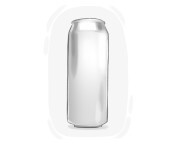
a light silver-gray metal used primarily for making cooking equipment and aircraft parts
hliník, hliník
Rám kola je vyroben z hliníku, což usnadňuje jeho přenášení a ovládání ve srovnání s tradičními ocelovými rámy.
