pattern

Vocabulary for IELTS (Academic) - Chemistry

Here you will learn some English words about chemistry, such as "arsenic", "catalyst", "distill", etc. that are needed for the IELTS exam.

Review

Flashcards

Forms

Spelling

Quiz

Start learning
Words for Academic IELTS
arsenic
arsenic
[noun]

a poisonous chemical element with properties of both metals and nonmetals that is grey in color, used in industry or as a pesticide

Close
Sign in
calcium
calcium
[noun]

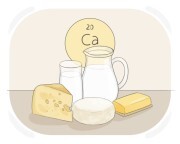
a soft silver-white metal that is an important element in bones and teeth

Close
Sign in
carbon
carbon
[noun]

a nonmetal element that can be found in all organic compounds and living things

Ex: Graphite, used in pencils, is another allotrope of carbon. 
Close
Sign in
copper
copper
[noun]

a metallic chemical element that has a red-brown color, primarily used as a conductor in wiring
Ex: Copper is valued for its high electrical conductivity, which makes it ideal for wiring in electrical systems. 
Close
Sign in
helium
helium
[noun]

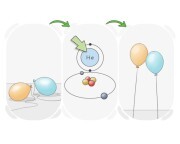
a chemical element that is a colorless noble gas which is lighter than air

Close
Sign in
gold
gold
[noun]

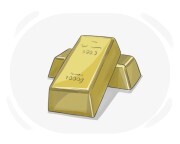
a valuable yellow-colored metal that is used for making jewelry

Ex: She wore a necklace adorned with a pendant made of gold. 
Close
Sign in
iron
iron
[noun]

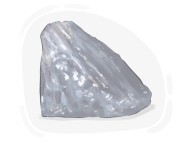
a metallic chemical element with a silvery-gray appearance, widely used for making tools, steel, buildings, and various industrial products
Ex: Iron is commonly used in construction to make buildings and bridges. 
Close
Sign in
lead
lead
[noun]

a heavy soft metal, used in making bullets, in plumbing and roofing, especially in the past

Ex: Historically, lead was commonly used in plumbing systems due to its malleability and corrosion resistance. 
Close
Sign in
acid
acid
[noun]

a water-soluble chemical substance that contains Hydrogen and has a sour taste or corrosive feature with a PH less than 7

Ex: The lemon juice contains citric acid, which gives it a sour taste and a pH of around 2. 
Close
Sign in
catalyst
catalyst
[noun]

(chemistry) a substance that causes a chemical reaction to happen at a faster rate without undergoing any chemical change itself
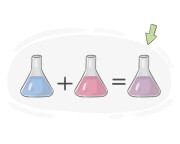
Ex: Enzymes are naturally occurring biological catalysts that allow complex metabolic reactions to proceed efficiently in living cells. 
Close
Sign in
chemical
chemical
[noun]

a substance or compound produced or used in a process involving chemistry

Close
Sign in
element
element
[noun]

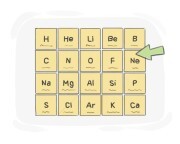
a substance that is composed of only one type of atom, typically characterized by specific physical and chemical properties
Ex: Oxygen is an essential element for human respiration. 
Close
Sign in
compound
compound
[noun]

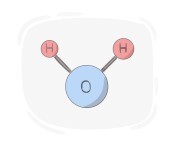
(chemistry) a substance that its molecules consist of two or more elements that are held together by a chemical bond

Ex: Water is a compound made of hydrogen and oxygen atoms. 
Close
Sign in
to hydrate

(chemistry) to combine and form a compound with water molecules

Ex: When calcium chloride is exposed to air, it hydrates by absorbing moisture from the atmosphere. 
Close
Sign in
mixture
mixture
[noun]

(chemistry) a combination of two or more substances without forming a chemical bond or any chemical reaction
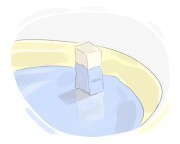
Ex: Air is a mixture of nitrogen, oxygen, and trace gases. 
Close
Sign in
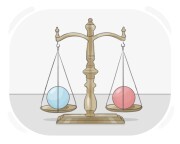
to adsorb
to adsorb
[Verb]

to take in a liquid, gas, or other substance from the surface chemically or physically
Close
Sign in
balanced
balanced
[Adjective]

evenly distributed or in a state of stability

Ex: She maintained a balanced diet consisting of fruits, vegetables, and proteins. 
Close
Sign in
to behave
to behave
[Verb]

(chemistry) to react in a particular way because of the laws
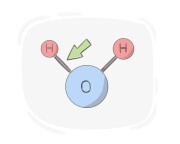
Ex: The compound behaves differently when exposed to high temperatures, following the laws of thermodynamics. 
Close
Sign in
bond
bond
[noun]

a link that holds atoms or ions together in any molecule or crystal

Ex: The covalent bond between the hydrogen and oxygen atoms forms a water molecule. 
Close
Sign in
to catalyze

to increase the rate of a chemical reaction

Ex: Enzymes play a crucial role in living organisms as they catalyze biochemical reactions necessary for cellular functions. 
Close
Sign in
chain reaction

a chemical or nuclear process that is self-sustained and its products cause other processes of the same kind

Close
Sign in
chemical reaction

(chemistry) a process in which several chemicals combine and form different substances

Close
Sign in
to dehydrate

(chemistry) to lose water molecules during a chemical reaction
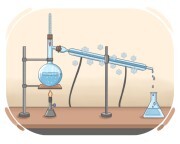
Ex: When heated, copper(II) sulfate pentahydrate undergoes a chemical reaction to dehydrate. 
Close
Sign in
to distill

to heat a liquid and turn it into gas then cool it and make it liquid again in order to purify it

Ex: The chemist is currently distilling the solution to isolate the pure compound. 
Close
Sign in
equation
equation
[noun]

a symbolic representation of a chemical reaction showing reactants and products
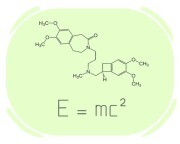
Ex: The teacher wrote the combustion equation on the board. 
Close
Sign in
formula
formula
[noun]

a symbolic representation of a chemical substance using its constituent elements

Ex: H₂O is the chemical formula for water. 
Close
Sign in
to precipitate

(chemistry) to become separated from the solvent in a solid form
Ex: Upon cooling the saturated sugar solution, crystals began to precipitate at the bottom of the container. 
Close
Sign in
preservation

the action of keeping something the way it is or in good condition

Close
Sign in
reaction
reaction
[noun]

(chemistry) a process in which several chemicals combine and form different substances

Ex: The reaction between hydrogen and oxygen produces water. 
Close
Sign in
aluminum
aluminum
[noun]

a light silver-gray metal used primarily for making cooking equipment and aircraft parts

Ex: The new set of aluminum cookware is both lightweight and highly resistant to corrosion, making it perfect for the kitchen. 
Close
Sign in
LanGeek
Download LanGeek app