
ACT Английский и Мировые Знания - Люди
Здесь вы выучите некоторые английские слова, связанные с людьми, такие как "когорта", "кворум", "юношеский" и т.д., которые помогут вам сдать ACT.
Обзор
Флэш-карточки
формы
Правописание
Тест


a group of individuals, especially within a community or social setting

люди, персоны
Люди из соседнего района собрались на барбекю в субботу днем.
a group of people with a shared characteristic, often studied or observed over a period of time
когорта, группа
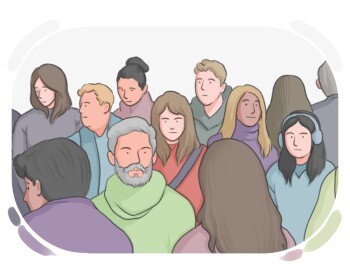
the general population or a large group of people within a society considered collectively
массы, население
Массы собрались на городской площади, чтобы отпраздновать национальный праздник.
a procession or parade, typically consisting of a series of vehicles, horses, or people
кавалькада
Улицы города были наполнены волнением, когда кавалькада платформ и артистов проходила во время карнавального парада.
a group of people, animals, or vehicles moving ahead in an organized formation
шествие, процессия
Шествие слонов прошло через территорию фестиваля.
a military stronghold where soldiers are stationed for defense
гарнизон
Замок служил гарнизоном для солдат короля.
a military unit with a specific organizational structure and operational role within an army
полк, воинская часть
101-я воздушно-десантная дивизия — это известный полк армии США.
a small group of people in a society who enjoy a lot of advantages because of their economic, intellectual, etc. superiority
элита
Элита собралась в эксклюзивном клубе на свое ежегодное собрание.

a carefully arranged group of people or things brought together for a particular purpose
состав, подборка
Состав модного показа включал моделей, демонстрирующих последние коллекции дизайнеров.
the minimum number of people that must be present for a meeting to officially begin or for decisions to be made
кворум
Заседание совета директоров не могло состояться по расписанию, потому что не было достаточного количества членов для соблюдения требования кворума.
a person who visits unknown places to find out more about them
исследователь
Исследователи сыграли ключевую роль в открытии новых континентов.
an influential individual who inspires or enlightens others
звезда, знаменитость
Как светило в мире технологий, Стив Джобс вдохновил бесчисленное количество новаторов.

a wanderer who has no settled place to live and travels from place to place
бродяга
Бродяга передвигался по улицам, неся все свои вещи в небольшой сумке.
someone who is sent to a foreign country to teach and talk about religion, particularly to persuade others to become a member of the Christian Church
миссионер
Миссионер провел годы в отдаленных деревнях, делясь учениями христианства с местными жителями.
a person who claims to have the ability to perceive events or objects beyond normal sensory capabilities
ясновидящий, экстрасенс
Ясновидящий поразил всех на вечеринке, точно описав события из их прошлого.
a person who illegally hunts or catches wildlife, typically for profit or personal gain
браконьер, незаконный охотник
Смотрители парка задержали нескольких браконьеров, у которых были исчезающие виды.

someone who is deeply interested in and well-informed about a particular topic
поклонник
Она настоящий энтузиаст истории и может цитировать даты по памяти.
an individual with whom one has established a professional or personal relationship, typically for the purpose of obtaining information, assistance, etc.
контакт, связь
Как журналист, она полагалась на свои контакты в государственных учреждениях для получения инсайдерской информации.

an individual, typically within a family setting, responsible for managing household tasks to create a comfortable and functional living environment
домохозяйка, хозяйка дома
Как домохозяйка, она находит удовлетворение в создании комфортной и заботливой среды для своей семьи.

a person whom one knows but is not a close friend
знакомство
Она столкнулась со старым знакомым в продуктовом магазине и обменялась любезностями.

a person who behaves in a ridiculous or amusing way, often to entertain others
шут, клоун
Шутки ведущего вечеринки заставили его выглядеть шутом в глазах детей.
an individual who illegally and secretly imports or exports goods or people
контрабандист
Контрабандист был пойман при попытке ввезти наркотики в страну через скрытые отсеки в своем грузовике.
a person who is too ill or disabled to care for themselves or participate in normal activities
нетрудоспособный
После аварии он стал инвалидом и нуждался в постоянной помощи.
a person, typically a child, who demonstrates exceptional talent or ability in a particular area, often beyond what is considered normal for their age
чудо
Юный пианист был музыкальным вундеркиндом, выступая на концертах в возрасте шести лет.
all the people who will come after the current generation
последующие поколения
Сообщество посадило дерево как символ надежды и роста, намереваясь, чтобы им наслаждалось потомство.
someone who acts or serves as a substitute or representative on behalf of another person or entity, often in a legal or formal capacity
заместитель, представитель
Адвокат выступил в качестве заместителя отсутствующего подсудимого во время судебного разбирательства.
someone who is not skilled or experienced enough for a specific activity
любитель
Она начала как любитель в фотографии, но быстро развила свои навыки.
a male resident of a town or city, typically emphasizing a person's connection to and involvement in local community affairs
горожанин, житель
Горожанин был хорошо известен своими вкладами в местные благотворительные и общественные организации.
a fake name people use for certain activities
псевдоним
Бэтмен, псевдоним Брюса Уэйна, борется с преступностью в Готэм-сити.
a nickname or alias that someone or something is known by, often used informally or affectionately
прозвище, кличка
Его прозвище "Slim" было дано ему друзьями в старшей школе из-за его стройного телосложения.

(of a person) not known by name
безымянный
Осведомитель предпочёл остаться анонимным, чтобы защитить свою личность и избежать возможных преследований.
influenced or controlled by a demon or spirit
одержимый, вселенный
Одержимый человек проявил необычную силу и говорил голосом, который не был его собственным.
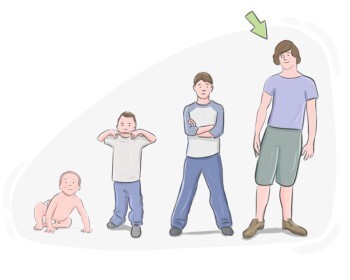
relating to young people who have not reached adulthood yet
ювенильный
Ювенальный центр содержания под стражей размещает молодых правонарушителей в возрасте до 18 лет.
having a great amount of bravery, charisma, and a sense of adventure
авантюрный, храбрый и харизматичный
Отважный капитан пиратов качался на снастях, готовясь к абордажу вражеского корабля.

famous and admired by many people
известный
Известный ученый был удостоен Нобелевской премии за свои новаторские исследования.
to give someone or something a nickname, often to show affection or to highlight a specific trait
называть, давать прозвище
Среди друзей высокого и худощавого парня ласково прозвали "Stretch" из-за его заметного роста.

to experience a reddening of the skin, typically in the face, due to emotions like embarrassment, excitement, or strong reactions
краснеть, заливаться румянцем
Когда она получила неожиданный комплимент, её щёки покраснели от смущения.

to stare openly and foolishly
глазеть, тупо смотреть
Когда фокусник показывал свои трюки, дети глупо глазели в изумлении.
(of individuals or communities) to be present in a particular area
населять, обитать
Исторические записи свидетельствуют о том, что древние цивилизации когда-то населяли засушливые пустынные регионы.
to attempt to repair something in an experimental or unskilled way
ковыряться, возиться
Он любит возиться со старыми мотоциклами, пытаясь вернуть им былую славу.

to receive money, property, etc. from someone who has passed away
унаследовать
После смерти своей бабушки она унаследовала красивое античное ожерелье.

to direct or participate in the management, organization, or execution of something
проводить
Опытный руководитель проекта будет руководить командой во внедрении нового программного обеспечения.
to take responsibility for something and start to do it
предпринимать
Она берет на себя ответственность за управление повседневными операциями команды.

to put on clothing
надевать
Он решил надеть элегантный костюм на собеседование, чтобы произвести профессиональное впечатление.

to talk a lot about unimportant things and in a way that may seem foolish
болтать
Во время встречи он болтал о несвязанных темах, уходя от основного обсуждения.

to try to make someone love one, especially for marriage
ухаживать
Он пытался ухаживать с цветами и искренними письмами, надеясь завоевать её сердце.

to romantically pursue someone by expressing interest and affection to establish a relationship
ухаживать, добиваться расположения
В викторианскую эпоху джентльмены традиционно ухаживали за дамами с цветами и вежливыми жестами.

to go somewhere with someone
сопровождать
Сара попросила Джона сопровождать её на концерт.
