pattern

B2 Level Wordlist - Nature

Here you will learn some English words about nature, such as "biodiversity", "environmentalist", "deforestation", etc. prepared for B2 learners.

Review

Flashcards

Spelling

Quiz
Start learning
CEFR B2 Vocabulary
biodiversity

the existence of a range of different plants and animals in a natural environment
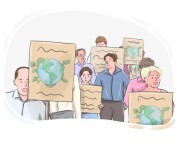
Ex: The rainforest is known for its rich biodiversity, housing countless species of flora and fauna. 
Close
Sign in
environmentalist

a person who is concerned with the environment and tries to protect it

Ex: The environmentalist organized a campaign to raise awareness about plastic pollution in the oceans. 
Close
Sign in
conservation

the protection of the natural environment and resources from wasteful human activities
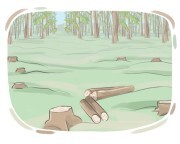
Ex: Conservation efforts are crucial to preserving endangered species and their habitats. 
Close
Sign in
deforestation

the extensive removal of forests, typically causing environmental damage
Ex: Large-scale deforestation is driven by the demand for agricultural land. 
Close
Sign in
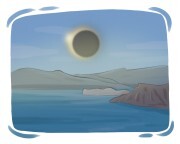
eclipse
eclipse
[noun]

a period during which the sun or moon is temporarily obscured by the shadow of another celestial body
Ex: We watched the solar eclipse through special protective glasses. 
Close
Sign in
solar
solar
[Adjective]

related to the sun

Ex: Solar eclipses occur when the moon blocks the sun's light. 
Close
Sign in
lunar
lunar
[Adjective]

relating to the moon

Ex: She purchased a lunar calendar to track the phases of the moon. 
Close
Sign in
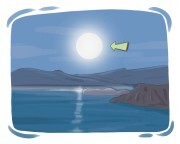
moonlight
moonlight
[noun]

the light coming from the moon

Ex: They took a romantic walk along the beach, guided by the soft moonlight. 
Close
Sign in
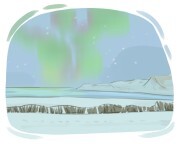
northern lights

the mainly green and red lights that appear in the sky in the Northern Hemisphere of the earth
Ex: Tourists travel to Norway and Canada to witness the mesmerizing Northern Lights. 
Close
Sign in
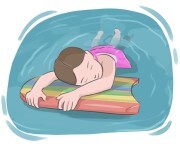
to float
to float
[Verb]

to be in motion on a body of water or current of air at a slow pace

Ex: As the paper boat was set adrift, it started to float lazily along the tranquil pond. 
Close
Sign in
tide
tide
[noun]

the rise and fall of the sea level, which happens regularly, as a result of the attraction of the sun and moon

Ex: Fishermen need to be aware of the tide schedule to ensure their boats are safely docked. 
Close
Sign in
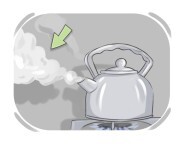
steam
steam
[noun]

the hot gas produced when water is heated to the boiling point
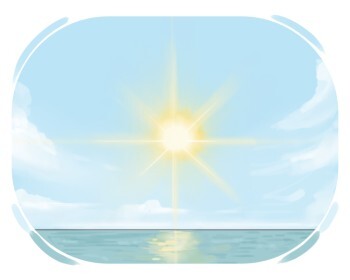
Ex: Steam rose from the kettle as the water reached its boiling point. 
Close
Sign in
sunlight
sunlight
[noun]

the natural light coming from the sun

Ex: The sunlight streamed through the windows, filling the room with warmth. 
Close
Sign in
dawn
dawn
[noun]

the first time sunlight appears during the day

Ex: They woke up early to watch the dawn break over the mountains. 
Close
Sign in
eruption
eruption
[noun]

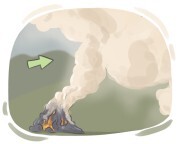
the sudden outburst of lava and steam from a volcanic mountain

Ex: The volcanic eruption sent ash and lava flowing down the mountainside. 
Close
Sign in
volcanic
volcanic
[Adjective]

related to or formed by the activity of volcanoes
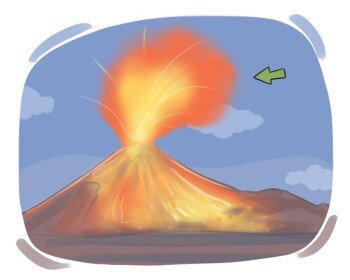
Ex: The volcanic eruption sent plumes of ash into the sky. 
Close
Sign in
lava
lava
[noun]

a substance from the inner layers of the earth which is erupted out of a volcanic mountain
Ex: The flowing lava from the volcano destroyed everything in its path. 
Close
Sign in
landslide
landslide
[noun]

a sudden fall of a large mass of dirt or rock down a mountainside or cliff
Ex: The heavy rains triggered a landslide that blocked the main road. 
Close
Sign in
ecology
ecology
[noun]

the relation between plants and animals to each other and their environment
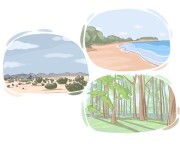
Ex: Ecology helps us understand how human activities impact natural ecosystems. 
Close
Sign in
ecosystem
ecosystem
[noun]

a community of living organisms together with their physical environment, interacting as a system
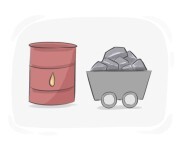
Ex: Coral reefs are diverse ecosystems that support a wide range of marine life. 
Close
Sign in
nonrenewable
nonrenewable
[Adjective]

(of a natural resource or source of energy) existing in limited amounts and not replaceable after being used
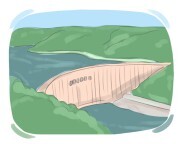
Ex: Oil is a nonrenewable resource that will eventually run out if we continue to use it at the current rate. 
Close
Sign in
hydroelectric
hydroelectric
[Adjective]

relating to the electric power which is generated by the flow of water

Ex: Many remote mountain towns rely on hydroelectric power generated from nearby rivers and waterfalls. 
Close
Sign in
turbine
turbine
[noun]

a machine or engine that produces power from the pressure of a liquid or gas on a turning wheel
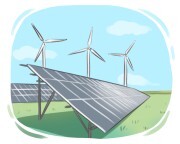
Ex: Steam turbines are commonly used in power plants to generate electricity. 
Close
Sign in
alternative energy

power generated by any source of energy in a way that does not harm the environment or consume the natural resources of the earth
Ex: Solar panels are a popular form of alternative energy that harnesses sunlight to generate electricity. 
Close
Sign in
fume
fume
[noun]

smoke or gas that has a sharp smell or is harmful if inhaled

Ex: The factory released toxic fumes that posed a health risk to nearby residents. 
Close
Sign in
to preserve

to cause something to remain in its original state without any significant change

Ex: Historical artifacts are preserved in museums to maintain their original condition. 
Close
Sign in
slope
slope
[noun]

an area of land or surface that is higher at one end or side than another

Ex: They hiked up the steep slope to reach the mountain's peak. 
Close
Sign in
pitch-black
pitch-black
[Adjective]

without any light

Ex: The cave was pitch-black; not a single ray of light penetrated its depths. 
Close
Sign in
sub-zero
sub-zero
[Adjective]

having below zero degrees Celsius or Fahrenheit

Ex: The Antarctic winter brings sub-zero temperatures that challenge even the most prepared researchers. 
Close
Sign in
LanGeek
Download LanGeek app