Insight - Upper-intermediate - Unit 4 - 4D
Here you will find the vocabulary from Unit 4 - 4D in the Insight Upper-Intermediate coursebook, such as "aspiration", "dreary", "inanimate", etc.
Review
Flashcards
Spelling
Quiz


principles or standards concerning what is considered right and wrong behavior
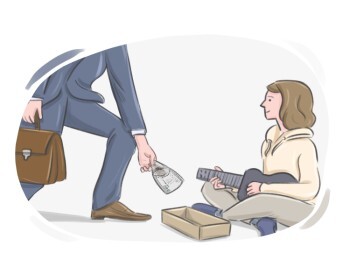
great sympathy for a person or animal that is suffering
the quality of behaving or talking in a way that is truthful and free of deception
the ability to face danger, difficulty, or fear without giving up
the ability to control one's behavior and actions in order to achieve a goal or complete a task

the quality of continuing to work toward a goal despite difficulties
the ability to accept or tolerate difficult or annoying situations without complaining or becoming angry
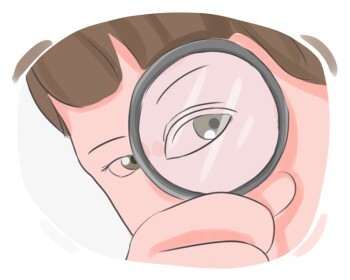
the ability to see things through the eyes
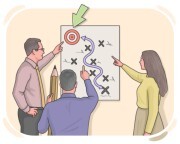
something that a person strongly hopes or aims to achieve
describing an appearance that has been affected by the wind, often implying a slightly disheveled yet attractive look
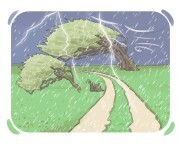
having strong winds, rain, or severe weather conditions

trying or wishing to gain great success, power, or wealth
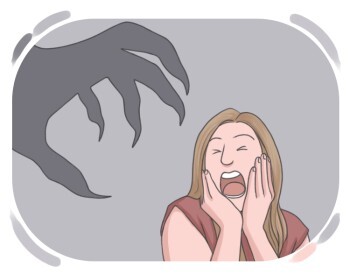
an intense feeling of fear, shock, or disgust
having a dull or uninteresting quality
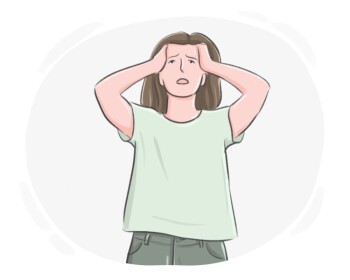
feeling very unhappy or uncomfortable
(of nouns or pronouns) representing non-living objects, things, or entities
having become dry, wrinkled, and smaller in size, often due to a loss of moisture or aging
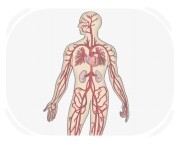
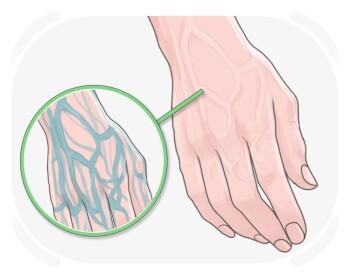
any blood vessel, carrying the blood to different organs of body from the heart
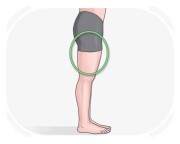
the upper part of the leg between the hip and the knee
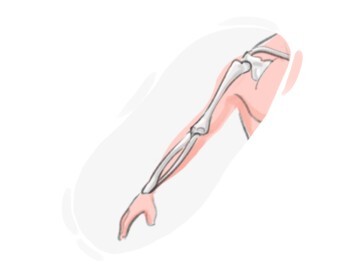
any of the hard pieces making up the skeleton in humans and some animals
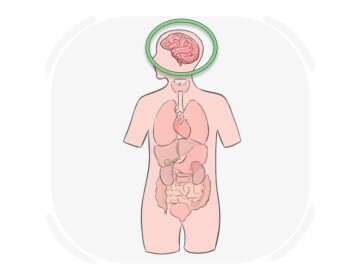
the body part that is inside our head controlling how we feel, think, move, etc.
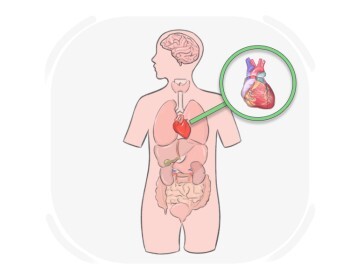
the body part that pushes the blood to go to all parts of our body
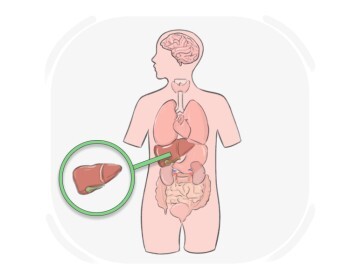
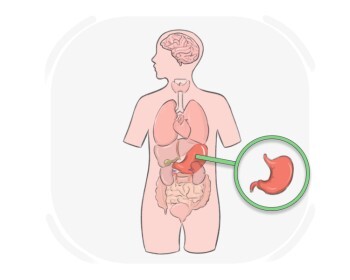
a large organ in the abdomen that performs many metabolic functions, including processing nutrients, producing bile, and removing harmful substances from the blood
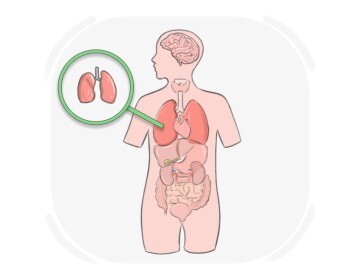
either of the two organs in the chest that allow people and many animals to breathe
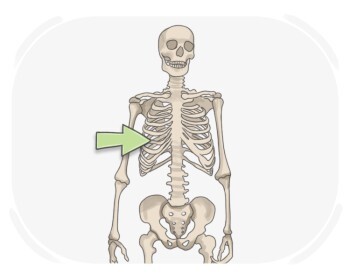
each of the curved bones surrounding the chest to protect the organs inside

the thin layer of tissue that covers the body of a person or an animal
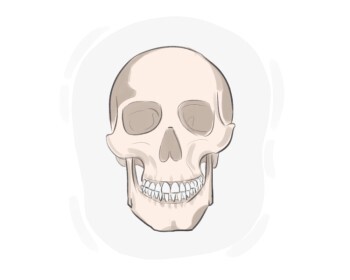
the bony structure of the head that surrounds and protects the brain
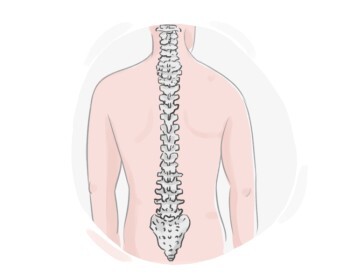
the column of connected bones running down the back that supports the body and protects the spinal cord