
SAT Word Skills 6 - Lesson 25

review-disable

review

flashcard-disable

flashcard

spelling-disable

spelling

quiz-disable

quiz

start-learning
SAT Word Skills 6
embargo [noun]

an official order according to which any commercial activity with a particular country is banned
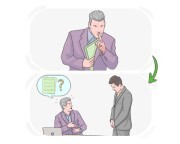
a dishonest and morally questionable individual, often involved in deceitful or unlawful behavior

Ex: The novel 's antagonist was depicted as a cunning scoundrel who manipulated others for his own gain .
buffet [noun]

a meal with many dishes from which people serve themselves at a table and then eat elsewhere

Ex: The company organized a buffet lunch for its employees during the conference .
quietus [noun]

a final and conclusive ending, often implying death or the settlement of a debt

Ex: As the sunset painted the sky in hues of orange and red , it symbolized the quietus of another day .

a type of comic theatrical production combining pantomime, dance, singing, etc. popular in the 1800s and early 1900s

Ex: One of the most famous vaudeville acts was the Marx Brothers , whose zany antics and witty humor delighted audiences across the country .
linchpin [noun]

a crucial element that holds something together or provides stability and support

Ex: The treaty acted as the linchpin of diplomatic relations between the two nations , preventing conflict .
rout [noun]

a disorderly and frenzied crowd of people, often characterized by chaos and confusion

Ex: During the protest , a rout of demonstrators broke through the barricades , overwhelming the police .
tenet [noun]

a fundamental belief or principle that is central to a system of thought, philosophy, or religion

Ex: The scientific tenet of empiricism emphasizes the reliance on observable evidence and experimentation in the pursuit of knowledge .
pontiff [noun]

the Pope in the Roman Catholic Church

Ex: The pontiff 's visit to the troubled region brought hope and solace to those affected by conflict and hardship .
paroxysm [noun]

a sudden and uncontrollable outburst or convulsion, often of emotion or action

Ex: The patient experienced a paroxysm of coughing , the violent spasms making it difficult to breathe .

a thing that reduces the chances of someone doing something because it makes them aware of its difficulties or consequences

Ex: The lack of sufficient funding was a deterrent to starting the new project .
ruse [noun]

a cunning or deceptive strategy or action intended to deceive or trick someone

Ex: The magician 's performance relied on the use of various ruses to create illusions and deceive the audience .
tyro [noun]

a beginner or novice in a particular field or activity

Ex: Starting as a tyro in the kitchen , he gradually honed his culinary skills through practice and experimentation .
digraph [noun]

a pair of characters used to represent a single sound, such as "sh" or "th", in phonetics or linguistics

Ex: The phonics lesson focused on identifying digraphs in words to improve pronunciation skills .
gauntlet [noun]

a protective glove, often made of leather, worn as armor

Ex: The blacksmith crafted custom gauntlets for the soldiers , each one tailored to fit snugly and withstand the rigors of combat .
exponent [noun]

a supporter of a theory, belief, idea, etc. who tries to persuade others that it is true or good in order to gain their support
Ex: The senator is a prominent exponent of environmental protection laws .
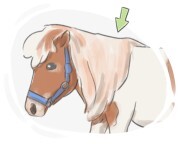
mane [noun]

hair that grows on the neck of an animal such as a horse, lion, etc.

lieu [noun]

a place or location, often used as a substitute or in place of something else
Ex:
gaffe [noun]

a thing that was done or said in a social or public situation that is considered to be an embarrassing or tactless mistake

Ex: His social media gaffe led to a backlash from followers who felt offended .
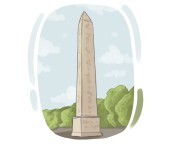
obelisk [noun]

a tall column made of stone with four sides and a pyramid-like top, used as a monument to honor an important event or person