


pattern

SAT Word Skills 6 - Lesson 43

Review

Flashcards

Forms

Spelling

Quiz

Start learning
SAT Word Skills 6
stint
stint
[noun]

a specific duration or period during which an individual is engaged in a particular task or activity

Ex: After completing his stint as an intern at the law firm, James was offered a full-time position. 
Close
Sign in
catharsis
catharsis
[noun]

(psychology) the process of relieving a complex by bringing it to consciousness and directly addressing it

Ex: Writing in a journal can provide a sense of catharsis, allowing individuals to express and process their emotions. 
Close
Sign in
canard
canard
[noun]

a baseless and made-up story or news report created to mislead people

Ex: The tabloid newspaper published a canard claiming that aliens had been sighted in the local park. 
Close
Sign in
stereotype

a widely held but fixed and oversimplified image or idea of a particular type of person or thing

Ex: The movie relied on a stereotype of teenagers that wasn't true to life. 
Close
Sign in
inroad
inroad
[noun]

a gradual advance or penetration that weakens or reduces strength, influence, or effectiveness

Ex: The company's aggressive marketing strategy made significant inroads into its competitor's market share. 
Close
Sign in
rigmarole
rigmarole
[noun]

a lengthy, tedious, and complicated procedure or set of instructions, often considered unnecessary

Ex: The bureaucratic rigmarole involved in obtaining a simple permit frustrated many small business owners. 
Close
Sign in
drachma
drachma
[noun]

a historical unit of currency formerly used in Greece

Ex: In ancient times, goods and services were bought and sold using the drachma as currency. 
Close
Sign in
epoch
epoch
[noun]

a period of time in history or someone's life, during which significant events happen

Ex: The Renaissance was an epoch of great cultural and artistic achievements in Europe. 
Close
Sign in
drought
drought
[noun]

a long period of time when there is not much raining

Ex: The city imposed water restrictions because of the drought. 
Close
Sign in
quintet
quintet
[noun]

a musical piece written for five singers or instruments

Ex: The composer was thrilled to premiere his latest quintet, performed by a talented group of musicians. 
Close
Sign in
elegy
elegy
[noun]

a song or poem expressing sadness, especially in the memory of a dead person or a bitter event in the past

Ex: The poet composed an elegy to mourn the passing of a beloved friend, capturing the grief and longing felt by those left behind. 
Close
Sign in
milieu
milieu
[noun]

the social or cultural setting or environment

Ex: Growing up in a tight-knit community, Sarah's milieu shaped her values and beliefs. 
Close
Sign in
souvenir
souvenir
[noun]

something that we usually buy and bring back for other people from a place that we have visited on vacation
Ex: He found a handcrafted wooden figurine as the perfect souvenir of his visit to the mountain village. 
Close
Sign in
entrails
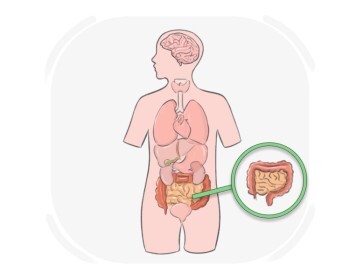
entrails
[noun]

the internal organs, particularly the intestines, of a human or animal

Ex: The hunter gutted the deer and removed its entrails before preparing it for cooking. 
Close
Sign in
fetus
fetus
[noun]

an offspring of a human or animal that is not born yet, particularly a human aged more than eight weeks after conception

Ex: The ultrasound showed that the fetus was developing normally. 
Close
Sign in
tilth
tilth
[noun]

land that has been prepared or cultivated, ready for planting or sowing seeds

Ex: The ancient farmers plowed the land diligently, striving to achieve optimal tilth for their crops. 
Close
Sign in
altar
altar
[noun]

the table in a church, used for giving communion in Christianity

Ex: The congregation gathered around the altar for the morning service. 
Close
Sign in
canon
canon
[noun]

a recognized collection of authoritative books, texts, or works within a particular field or tradition, especially in religion

Ex: Shakespeare's plays are considered part of the literary canon in English literature. 
Close
Sign in
conceit
conceit
[noun]

excessive pride in oneself or one's abilities, often manifesting as vanity or arrogance

Ex: His conceit prevented him from acknowledging his mistakes, even when they were pointed out to him. 
Close
Sign in
diphthong
diphthong
[noun]

(phonetics) a gliding speech sound formed by the combination of two vowels in a single syllable

Ex: In English, the diphthong "oi" is heard in words like "coin" and "join." 
Close
Sign in
LanGeek
Download LanGeek app