
Kniha Solutions - Pokročilý - Jednotka 9 - 9A
Zde najdete slovní zásobu z Unit 9 - 9A v učebnici Solutions Advanced, jako "meziplanetární", "vzestup", "řítit se" apod.
Revize
Kartičky
tvary
Pravopis
Kvíz


the action of relocating from one place to another

přesun, změna

a creature believed or imagined to come from a planet other than Earth
mimozemšťan, alien
the act of entering another country or territory by military force, especially in order to occupy or control it
invaze, vpád

regarding or affecting the entire world
globální, světový
Internet umožňuje globální komunikaci a přístup k informacím napříč kontinenty.
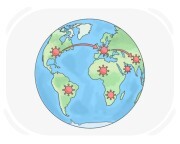
a disease that spreads across a large region or even across the world
pandemie, globální epidemie
existing or occurring between planets
meziplanetární, interplanetární
Studium meziplanetárních magnetických polí pomáhá vědcům pochopit sluneční aktivitu.
(physics) the act of two or more moving items crashing into each other
kolize, srážka
Srážka dvou magnetických polí vytvořila silnou rázovou vlnu v plazmatu.

a machine that can perform tasks automatically
robot, automat
Děti si užily sledování robota, který předváděl různé funkce na vědeckém veletrhu.
the act of moving or rising upwards
vzestup, výstup
Dav jásal, když začal vzestup rakety do nebe, což signalizovalo začátek mise.
either of the two points at the northern and southern ends of Earth's axis of rotation
pól
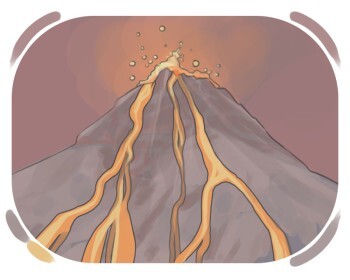
(of a volcano) capable of producing an extreme volcanic eruption
supervulkanický, extrémně vulkanický
Mračna supervulkanického popela mohou blokovat sluneční světlo, což vede k « vulkanické zimě ».
the sudden outburst of lava and steam from a volcanic mountain
erupce, sopečná erupce
Erupce byla tak silná, že byla slyšet stovky mil daleko.
any of the rocky bodies orbiting the sun, ranging greatly in diameter, also found in large numbers between Jupiter and Mars
asteroid, kamenné nebeské těleso
Některé asteroidy obsahují cenné minerály a zdroje, které by mohly být v budoucnu těženy.
an influence or effect that something has on a person, situation, or thing
dopad, vliv
describing weapons that are powered by the energy produced either from nuclear fission or a combination of fusion and fission reactions
jaderný, atomový
Jaderné odzbrojení je klíčovým cílem mnoha mezinárodních organizací.
a catastrophic event that results in widespread death and destruction
holokaust, katastrofa
Environmentální holokaust způsobený únikem ropy postihl jak divokou zvěř, tak místní komunity.
to let out or express a strong emotion or feeling, such as anger, frustration, or excitement
uvolnit, vyvolat
Debata uvolnila vlnu vášně mezi studenty.
to predict a severe, harmful or catastrophic event or outcome
věštit katastrofu, znamenat pohromu
První známky paniky na trhu mohou věštit katastrofu, pokud lídři rychle nezareagují.
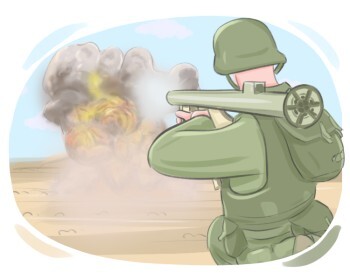
to make something explode
detonovat, vyhodit do povětří
Odhodili nálože, aby vytvořili nový tunel pro metro.
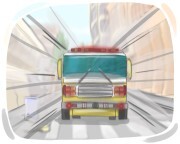
to move with speed and intensity
řítit se, míhat se
Řeka, která se řítila, propadla se přes vodopád a vytvořila mocný vodní proud.
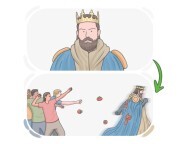
to forcefully remove a person of authority or power from their position
svrhnout, sesadit
Vůdce byl svržen při náhlém a násilném povstání.
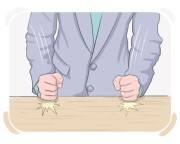
to hit or strike someone or something with great force
to cause or inflict damage, harm, or destruction, often with great force or intensity
způsobit, napáchat
Invaze způsobila chaos v celém regionu a vysídlila tisíce.
a state of widespread chaos, confusion, or destruction
zpustošení, chaos
Havoc hacker způsobil tím, že vypnul celý systém společnosti.

to entirely remove something
úplně odstranit, vymazat
Školník zcela odstranil graffiti ze školních zdí.
![to [be] born with a silver spoon in {one's} mouth](https://cdn.langeek.co/photo/43688/thumb/350?type=jpeg "to [be] born with a silver spoon in {one's} mouth")
to be born into a wealthy or privileged family and having access to all the luxuries and comfort that comes with it
narodil se v bohatství, z privilegované rodiny
Narodil se v bohatství a luxus byl vše, co znal.
used to imply that people with similar interests or characteristics tend to associate with each other
Podobní lidé se obvykle sdružují
used to say that people will be served or helped in the order that they arrive or make their requests
Lidé jsou obslouženi podle pořadí příchodu nebo žádosti
used to suggest that even if the details of a particular story or rumor are not entirely accurate, there is usually some underlying truth or basis for the rumor
Každá pověst má obvykle nějaký skutečný základ
used to suggest that not knowing certain information can be preferable to facing it, particularly when it is unpleasant or burdensome
Některé pravdy je příjemnější nevědět
used to imply that being informed or aware of a potential danger or problem in advance allows one to be better prepared to deal with it
Včasné varování pomáhá připravit se na nebezpečí
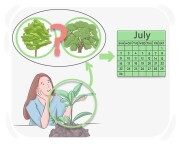
used to mean that by passing time it will be proved if something is true, valid, or effective
čas ukáže, uvidíme časem
Trenér věří, že ten mladý hráč je výjimečný; čas ukáže.
used to imply that diversity and individual differences among people are necessary for the world to function and thrive
Rozmanitost a rozdíly mezi lidmi jsou pro fungování společnosti důležité

used to imply that it is better to hold onto something you already have for sure, rather than risking it for the possibility of getting more in the future
Jistá věc je lepší než větší, ale nejistá možnost
used to imply that if too many people are involved in a task or project, it can become disorganized or ineffective
Příliš mnoho lidí může práci zneorganizovat a zneefektivnit
used to suggest that if someone only focuses on work and does not take time for leisure activities or enjoyment, they will become boring, uninteresting, and unhappy
Samá práce bez odpočinku člověka unaví a otupí
used to imply that it is better to address a problem or make a small repair early on, rather than waiting and allowing the problem to become more serious and difficult to fix later
Vyřeš problém včas, než se zhorší
used to imply that the person who starts their day or task early will have an advantage over those who start later or procrastinate
Včasný začátek zvyšuje šanci na úspěch
used to emphasize that if a person is determined enough to do something, they will find a way to do it, regardless of the obstacles or challenges
S dostatečným odhodláním lze najít cestu k cíli
used to say that people often think that other situations or circumstances are better than their own, even if they are not
Situace druhých často vypadá lépe než naše
![to {not} [count] {one's} chickens](https://cdn.langeek.co/photo/46672/thumb/350?type=jpeg "to {not} [count] {one's} chickens")
to be cautious and not assume that something will succeed or happen as planned, as there is always a possibility of unforeseen obstacles or problems
nepředbíhat, neradovat se předčasně
Financování vypadá nadějně, ale dokud není smlouva podepsaná, nepředbíhejme.
| Kniha Solutions - Pokročilý | |||
|---|---|---|---|
| Jednotka 7 - 7H | Jednotka 8 - 8A | Jednotka 8 - 8C | Jednotka 8 - 8E |
| Jednotka 8 - 8F | Jednotka 9 - 9A | Jednotka 9 - 9C | Jednotka 9 - 9D |
| Jednotka 9 - 9E | Jednotka 9 - 9F | Jednotka 9 - 9G | |
