
El libro Solutions - Avanzado - Unidad 9 - 9A
Aquí encontrarás el vocabulario de la Unidad 9 - 9A en el libro de curso Solutions Advanced, como "interplanetario", "ascensión", "precipitarse", etc.
Revisión
Tarjetas de memoria
formas
Ortografía
Cuestionario


the action of relocating from one place to another

traslado, cambio

a creature believed or imagined to come from a planet other than Earth
extraterrestre
the act of entering another country or territory by military force, especially in order to occupy or control it
invasión

regarding or affecting the entire world
global, mundial
La empresa opera a escala global, con oficinas y operaciones en múltiples países.

a disease that spreads across a large region or even across the world
pandemia
existing or occurring between planets
interplanetario
La comunicación entre la Tierra y Marte depende de sistemas de comunicación interplanetarios.
(physics) the act of two or more moving items crashing into each other
colisión
La colisión de las dos partículas produjo una explosión de energía y nuevas partículas subatómicas.

a machine that can perform tasks automatically
robot
Ella programó el robot para ayudar con las tareas del hogar.
the act of moving or rising upwards
ascensión, elevación
Durante la ascensión del sol, todo el paisaje se transformó en un tono dorado.
either of the two points at the northern and southern ends of Earth's axis of rotation
polo
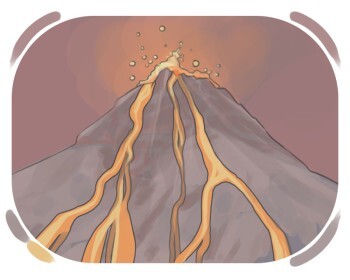
(of a volcano) capable of producing an extreme volcanic eruption
supervolcánico, volcánico extremo
Una explosión supervolcánica podría cambiar drásticamente el clima global durante años.
the sudden outburst of lava and steam from a volcanic mountain
erupción
La erupción del Monte Vesubio en el año 79 d.C. enterró la ciudad de Pompeya bajo cenizas.
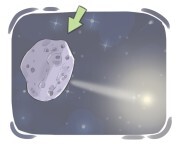
any of the rocky bodies orbiting the sun, ranging greatly in diameter, also found in large numbers between Jupiter and Mars
asteroide
El impacto del asteroide que llevó a la extinción de los dinosaurios ocurrió aproximadamente hace 66 millones de años.
an influence or effect that something has on a person, situation, or thing
impacto
describing weapons that are powered by the energy produced either from nuclear fission or a combination of fusion and fission reactions
nuclear
La amenaza de la guerra nuclear ha llevado a acuerdos de paz internacionales.
a catastrophic event that results in widespread death and destruction
holocausto, catástrofe
Las inundaciones crearon un holocausto de destrucción, cobrando hogares y vidas por igual.
to let out or express a strong emotion or feeling, such as anger, frustration, or excitement
liberar, desatar
El chiste del comediante desató risas en toda la audiencia.
to predict a severe, harmful or catastrophic event or outcome
presagiar un desastre, anunciar problemas graves
Las grietas en la presa presagiaban un desastre para los pueblos de abajo.
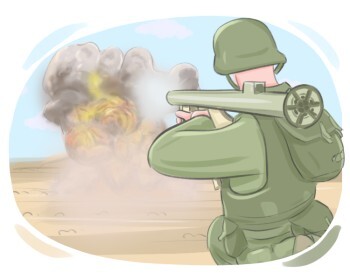
to make something explode
hacer detonar
Accidentalmente hizo explotar el fuego artificial mientras lo preparaba.
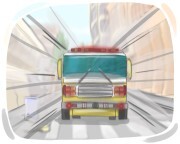
to move with speed and intensity
precipitarse, dispararse
El meteoro se precipitó a través de la atmósfera, creando un espectáculo espectacular mientras se quemaba.

to forcefully remove a person of authority or power from their position
derrocar
Los rebeldes planearon estratégicamente derrocar al dictador y provocar un cambio político.
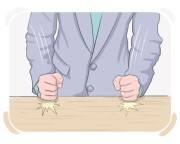
to hit or strike someone or something with great force
estrellar, golpear
to cause or inflict damage, harm, or destruction, often with great force or intensity
causar
El incendio forestal continuó extendiéndose, amenazando con causar devastación en el entorno natural.
a state of widespread chaos, confusion, or destruction
estragos, caos
Los nuevos cambios en la política causaron el caos en el flujo de trabajo de la empresa.

to entirely remove something
eliminar por completo, borrar
Con un paño, eliminó las huellas dactilares de la superficie de vidrio.
![to [be] born with a silver spoon in {one's} mouth](https://cdn.langeek.co/photo/43688/thumb/350?type=jpeg "to [be] born with a silver spoon in {one's} mouth")
to be born into a wealthy or privileged family and having access to all the luxuries and comfort that comes with it
nacido en cuna de oro, de familia acomodada
Nació en cuna de oro, así que nunca entendió lo que es la dificultad.
used to imply that people with similar interests or characteristics tend to associate with each other
Las personas parecidas suelen juntarse
used to say that people will be served or helped in the order that they arrive or make their requests
Las personas son atendidas en el orden en que llegan o hacen su solicitud
used to suggest that even if the details of a particular story or rumor are not entirely accurate, there is usually some underlying truth or basis for the rumor
Todo rumor suele tener algo de verdad
used to suggest that not knowing certain information can be preferable to facing it, particularly when it is unpleasant or burdensome
No conocer ciertas verdades puede ser más agradable
used to imply that being informed or aware of a potential danger or problem in advance allows one to be better prepared to deal with it
La advertencia previa ayuda a prepararse para el peligro
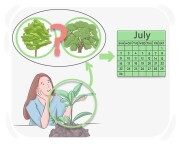
used to mean that by passing time it will be proved if something is true, valid, or effective
el tiempo dirá, ya se verá
El diseño promete, pero el tiempo dirá si les gusta a los clientes.
used to imply that diversity and individual differences among people are necessary for the world to function and thrive
La diversidad y las diferencias entre las personas son necesarias para una sociedad dinámica

used to imply that it is better to hold onto something you already have for sure, rather than risking it for the possibility of getting more in the future
Algo seguro vale más que una oportunidad mayor pero incierta
used to imply that if too many people are involved in a task or project, it can become disorganized or ineffective
Demasiadas personas pueden volver una tarea desorganizada e ineficaz
used to suggest that if someone only focuses on work and does not take time for leisure activities or enjoyment, they will become boring, uninteresting, and unhappy
Trabajar sin descanso ni diversión vuelve la vida aburrida
used to imply that it is better to address a problem or make a small repair early on, rather than waiting and allowing the problem to become more serious and difficult to fix later
Resuelve el problema pronto antes de que empeore
used to imply that the person who starts their day or task early will have an advantage over those who start later or procrastinate
Empezar temprano aumenta las posibilidades de éxito
used to emphasize that if a person is determined enough to do something, they will find a way to do it, regardless of the obstacles or challenges
Con suficiente determinación se puede encontrar una forma de alcanzar la meta
used to say that people often think that other situations or circumstances are better than their own, even if they are not
La situación ajena suele parecer mejor que la propia
![to {not} [count] {one's} chickens](https://cdn.langeek.co/photo/46672/thumb/350?type=jpeg "to {not} [count] {one's} chickens")
to be cautious and not assume that something will succeed or happen as planned, as there is always a possibility of unforeseen obstacles or problems
no cantes victoria, no vendas la piel del oso
No cantes victoria solo porque la primera prueba salió bien.
| El libro Solutions - Avanzado | |||
|---|---|---|---|
| Unidad 7 - 7H | Unidad 8 - 8A | Unidad 8 - 8C | Unidad 8 - 8E |
| Unidad 8 - 8F | Unidad 9 - 9A | Unidad 9 - 9C | Unidad 9 - 9D |
| Unidad 9 - 9E | Unidad 9 - 9F | Unidad 9 - 9G | |
