
Describir a las Personas - Sabor y Voluntad
Explora modismos en inglés relacionados con el gusto y la voluntad, incluyendo "madriguera de conejo" y "labor de amor".
Repasar
Tarjetas de memoria
Cuestionario

to get or do what one wants despite the odds or other people's desires

salirse con la suya, imponer su voluntad
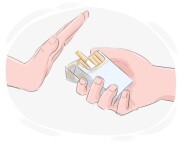
used for saying that someone strongly refuses to participate in or be associated with something, often due to strong dislike, embarrassment, or a sense of moral objection
ni muerto lo haría, de ninguna manera

a type of activity, subject, etc. that one is very good at or enjoys very much
ser lo suyo, ser de su gusto

to be something that one is interested in
ser lo suyo, gustarle

to tell someone that they are really about to enjoy something
le espera algo muy bueno, lo va a disfrutar
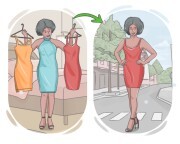
used for saying that someone can do something whenever and however they want
como quiera, cuando quiera

a task that is done only for the sake of one's pleasure and not for any rewards of any kind
trabajo hecho con amor, obra de cariño

to observe someone or something with a great sense of pleasure or fulfillment
deleitar la vista con, quedarse maravillado con

something that a person finds so interesting that they cannot let go of it
tema absorbente, algo que engancha
Investigar mapas antiguos puede ser un verdadero agujero de conejo.

to perform any activity in the way that one prefers, paying no attention to what others might say or think about one
hacer lo que le da la gana, actuar a su manera

to do whatever makes one happy or satisfied, without caring about other's opinions
ir a lo suyo, hacer lo suyo
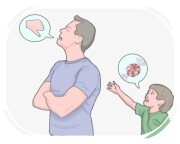
to turn something down because one believes that it is not satisfactory enough
hacerle el feo, rechazar con desprecio

to naturally be good at noticing, judging, or appreciating something, particularly a thing's value or a person's talents
tener buen criterio, tener buen gusto

to alter one's facial expression in response to someone or something, often to convey emotions such as dislike, disgust, or mockery
poner mala cara, hacer muecas
used to say that nothing could stop someone from going somewhere or being present
used to say that nothing could stop someone from going somewhere or being present
remaining energy, strength, or ability to continue
remaining energy, strength, or ability to continue
(of an activity) too time consuming or requiring a lot of effort to be done or completed
demasiado trabajo, demasiado esfuerzo

to fulfill one's need or desire for something
quitarse las ganas, sacarse el antojo
used to say that someone is indifferent about having, eating, seeing, or doing something
le da igual, ni le va ni le viene
to like or approve of something, especially used in negative statements to express a lack of enthusiasm or a dislike for it
to have a strong liking for something that one finds particularly appealing or difficult to resist, even when it might not be sensible or beneficial
to have a strong liking or affection for someone or something, often in a way that is difficult to resist
to like or be attracted to someone or something, especially when expressing enthusiasm, admiration, or a romantic interest
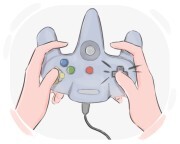
to be enjoyable and well-suited to a person's preference or interests
to have the opportunity to choose what one personally prefers, especially when imagining a situation in which one could have things exactly as one wanted
something that may initially seem unpleasant, strange, or unappealing but becomes enjoyable or appreciated after repeated exposure or greater familiarity
to be something that one particularly likes, enjoys, or feels interested in or comfortable with, especially in relation to personal tastes and activities
used to express that one would gladly accept or enjoy something if it were offered or made available, often suggesting a desire without making a direct request
whenever someone suddenly feels the desire, inspiration, or motivation to do something, rather than following a fixed plan or routine
to have particularly strong feelings about someone or something, whether positive or negative, often involving an unusual liking, attraction, dislike, or preoccupation
to be particularly enthusiastic about, interested in, or supportive of something, often regarding one's personal preferences, values, or habits
something that annoys or bothers someone on a personal levelsomething that annoys or bothers someone on a personal level
pet peeves
Ella no soporta llegar tarde—es su manía.
| Describir a las Personas | |||
|---|---|---|---|
| Apariencia Física y Estilo | Moda y Atuendos | Edad | Salud |
| Cuerpo y Mente Sana | Enfermedad | La Gente Pone en la Descripción | Dar una descripción de las personas |
| Sabor y Voluntad | Interés | ||
