pattern

Lista de Palabras Nivel B2 - Ley

Aquí aprenderás algunas palabras en inglés sobre la ley, como "court", "jury", "trial", etc. preparadas para estudiantes de B2.

Revisión

Tarjetas de memoria

formas

Ortografía

Cuestionario

Empezar a aprender
CEFR B2 Vocabulary
to account
to account
[Verbo]

to regard someone or something in a particular way

considerar

considerar

Ex: In the evaluation, creativity will be accounted as a valuable skill. 
to accuse
to accuse
[Verbo]

to say that a person or group has done something wrong

acusar

acusar

Ex: He was falsely accused of cheating on the exam and faced serious consequences. 
to challenge

to object to the legality or acceptability of something

recusar

recusar

Ex: The attorney sought to challenge the witness's credibility during the trial. 
to suspect
to suspect
[Verbo]

to think that someone may have committed a crime, without having proof

sospechar

sospechar

Ex: The police began to suspect him after they found his fingerprints at the crime scene. 
case
case
[Sustantivo]

a matter that is to be dealt with in a court of law

caso

caso

Ex: The lawyer prepared diligently for the upcoming murder case, knowing it would be challenging. 
family court
family court
[Sustantivo]

a court that decides on family matters such as divorce

tribunal familiar

tribunal familiar

Ex: They had to go to family court to finalize their divorce and settle custody arrangements. 
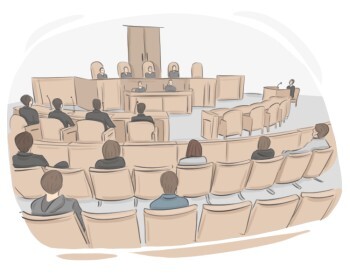
jury
jury
[Sustantivo]

a group of twelve citizens, who listen to the details of a case in the court of law in order to decide the guiltiness or innocence of a defendant

jurado

jurado

Ex: The jury deliberated for several hours before reaching a unanimous verdict. 
trial
trial
[Sustantivo]

a legal process where a judge and jury examine evidence in court to decide if the accused is guilty

juicio

juicio

Ex: The trial lasted for several weeks as witnesses testified and evidence was presented. 
justice
justice
[Sustantivo]

a behavior or treatment that is fair and just

justicia

justicia

Ex: The victim's family sought justice through the court system for the crimes committed against their loved one. 
injustice
injustice
[Sustantivo]

a behavior or treatment that is unjust and unfair

injusticia

injusticia

Ex: The community rallied together to protest against the injustice of racial discrimination. 
strict
strict
[Adjetivo]

(of rules and regulations) absolute and must be obeyed under any circumstances

estricto

estricto

Ex: The company has strict guidelines in place to ensure workplace safety for all employees. 
legal
legal
[Adjetivo]

related to the law or the legal system

legal

legal

Ex: She works as a legal assistant in a law firm, helping with research and paperwork. 
legally
legally
[Adverbio]

in a way that is allowed by the law or in accordance with legal rules

legalmente

legalmente

Ex: She entered the country legally after obtaining the correct visa. 
valid
valid
[Adjetivo]

acceptable by the law or any authority

válido

válido

Ex: The contract is only valid if both parties sign it. 
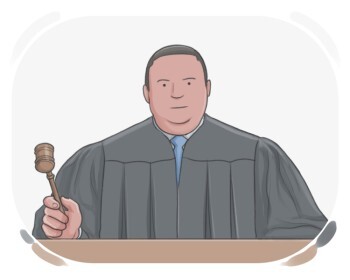
regulation
regulation
[Sustantivo]

the process of controlling something by means of rules

regulación
regulación

Ex: The regulation of air quality standards aims to reduce pollution emissions from industrial factories. 
to judge
to judge
[Verbo]

to decide whether or not a person is innocent in a court of law

juzgar

juzgar

Ex: The jury will judge the defendant based on the evidence presented during the trial. 
authority
authority
[Sustantivo]

the right or power to give orders to people

autoridad

autoridad

Ex: The manager had the authority to approve all major project expenditures. 
inspector
inspector
[Sustantivo]

a police officer holding an intermediate rank

inspector

inspector

Ex: The inspector led the investigation into the robbery. 
clause
clause
[Sustantivo]

a separate part of a legal document that requires or talks about something specific

cláusula

cláusula

Ex: The rental agreement includes a clause specifying the responsibilities of both the landlord and the tenant. 
claim
claim
[Sustantivo]

a request for an amount of money that one believes is rightful

reclamación

reclamación

Ex: The insurance company denied his claim for damages, citing insufficient evidence. 
bill
bill
[Sustantivo]

a new law that is proposed to a parliament to be discussed about

proyecto de ley

proyecto de ley

Ex: After several debates, the bill was passed and became law. 
action
action
[Sustantivo]

a formal or legal process in which it is decided if someone has done something wrong or illegal

acción

acción

Ex: The action was filed to resolve the dispute between the two parties. 
to appeal
to appeal
[Verbo]

to officially ask a higher court to review and reverse the decision made by a lower court

apelar a

apelar a

Ex: The defense attorney filed a motion to appeal the sentencing imposed by the trial court. 
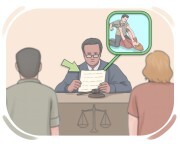
bail
bail
[Sustantivo]

an amount of money that must be paid in order for someone who is accused of a crime to be released until their trial

fianza
fianza

Ex: The judge set bail at $10,000 for the defendant's release from jail before the trial. 
brief
brief
[Sustantivo]

a short document stating the facts provided by one side of a case to be presented to a court or judge

escrito

escrito

Ex: The lawyer submitted a detailed brief to support her client's position. 
charge
charge
[Sustantivo]

an accusation against a person who is on trial

acusación
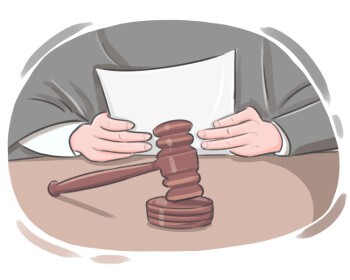
acusación

Ex: The defendant faced several charges, including theft and assault. 
to charge
to charge
[Verbo]

to officially accuse someone of an offense

acusar

acusar

Ex: The prosecutor decided to charge the suspect with theft based on the evidence. 
to defend
to defend
[Verbo]

to represent a person who is on trial

defender

defender

Ex: The attorney was hired to defend the accused in the high-profile case. 
to file
to file
[Verbo]

to officially submit or store a document or record in accordance with legal or regulatory requirements

presentar
presentar

Ex: The attorney filed the necessary paperwork to initiate the probate process. 
to issue
to issue
[Verbo]

to officially start a legal process against someone, often with a document

publicar
publicar

Ex: The court issued a warrant for his arrest. 
to prohibit

to formally forbid something from being done, particularly by law

prohibir

prohibir

Ex: The city council passed a law to prohibit the use of fireworks within city limits. 
prohibition
prohibition
[Sustantivo]

an official rule or law that forbids something

prohibición

prohibición

Ex: Smoking in public buildings is under prohibition. 
to try
to try
[Verbo]

to put a person on trial or investigate a case in a trial

juzgar

juzgar

Ex: He was tried for theft and sentenced to two years in prison. 
to break
to break
[Verbo]

to fail to obey the law

violar

violar

Ex: She was caught breaking the contract by sharing confidential information. 
to chair
to chair
[Verbo]

to lead a committee or meeting

presidir
presidir

Ex: She regularly chairs the weekly team meetings, ensuring all agenda items are addressed. 
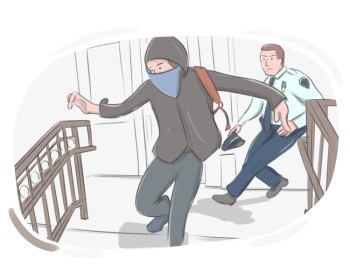
to get away

to escape from someone or somewhere

escaparse

escaparse

Ex: The thief tried to get away, but the police quickly caught him. 
to require
to require
[Verbo]

to make something mandatory or necessary

exigir, requerir

exigir, requerir

Ex: The event requires a ticket for entry. 
to disqualify

to officially take away someone's right to do something for violating a rule

inhabilitar

inhabilitar

Ex: The swimmer was disqualified from the race for a false start. 
judgment
judgment
[Sustantivo]

the decision of a judge or law court

fallo

fallo

Ex: The judgment was delivered after weeks of deliberation by the court. 
criminal record
criminal record
[Sustantivo]

a legal document that shows a person's history of breaking the law and being punished for it

antecedentes penales, historial delictivo

antecedentes penales, historial delictivo

Ex: His criminal record made it difficult for him to find a job after his release from prison. 
LanGeek
Descargar la aplicación LanGeek